Pakistan’s top leadership reaffirmed its unwavering solidarity with the people of Indian Illegally Occupied Jammu and Kashmir on Kashmir Black Day, marking 79 years since Indian forces arrived in Srinagar. Prime Minister Shehbaz Sharif stressed that lasting regional stability requires a peaceful resolution aligned with UN resolutions.
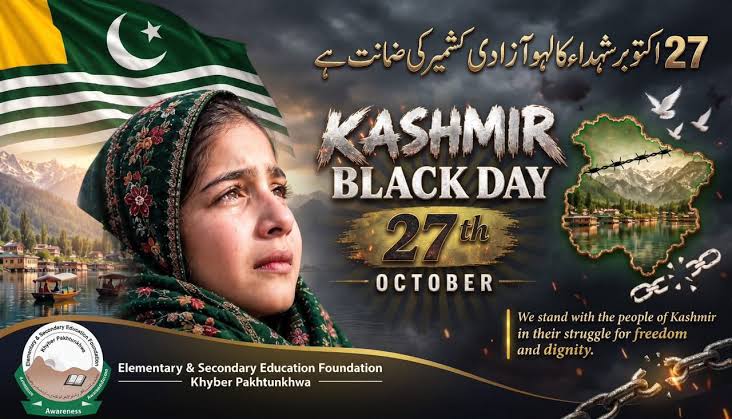
ISLAMABAD, October 27, 2026: Pakistan’s top leadership officially reaffirmed its political, diplomatic, and moral support for the people of Indian Illegally Occupied Jammu and Kashmir (IIOJK) on Tuesday. The country observed Kashmir Black Day to mark the 79th anniversary of the arrival of Indian military forces in Srinagar on October 27, 1947, a date federal authorities and Kashmiri leadership consistently designate as the beginning of decades of systemic subjugation.
In an official statement released by the Prime Minister’s Office in Islamabad, Prime Minister Shehbaz Sharif stated that the deployment of troops into the valley nearly eight decades ago initiated a tragic chapter in regional history. He noted that the ongoing political and military situation in the territory continues to cast a long shadow over the security landscape of South Asia, affecting millions of civilians and displacing generations of families.
The prime minister expressed profound concern regarding the prolonged and arbitrary incarceration of prominent Kashmiri political figures, human rights defenders, civil society activists, and journalists. According to government assessments and international rights monitoring bodies cited by domestic policy offices, numerous political prisoners remain detained without formal charges or transparent judicial processes in various high-security detention facilities across the region.
Addressing the diplomatic dimensions of the lingering territorial dispute, the prime minister emphasized that Pakistan’s foundational policy remains unchanged despite shifting geopolitical alignments in the region. “Pakistan’s position on Jammu and Kashmir remains clear, consistent and principled,” Prime Minister Sharif said in his formal address. He added that sustainable peace, security, and economic stability in South Asia cannot be achieved without a just and peaceful resolution of the dispute in strict accordance with relevant United Nations Security Council (UNSC) resolutions and the democratic aspirations of the Kashmiri people.
Paying formal tribute to the enduring resilience of the population in IIOJK, the prime minister highlighted that countless men, women, and children have made immense sacrifices in pursuit of their fundamental human rights and self-determination. He assured that the government and the entire populace of Pakistan maintain steadfast solidarity with occupied Kashmir, vowing that Islamabad will continue to raise diplomatic awareness at every international forum, including the United Nations General Assembly and the Human Rights Council.
Diplomatic Context Surrounding Kashmir Black Day
Diplomatic observers note that annual commemorations of Kashmir Black Day across Pakistan involve high-level seminars, protest rallies, parliamentary resolutions, and awareness campaigns coordinated by various ministries and regional governments. Federal and provincial authorities utilize these events to highlight alleged human rights violations, demographic changes, and restrictions on freedom of assembly imposed by security authorities within the disputed territory.
Foreign Ministry officials reiterated that Pakistan continues to urge the international community and multilateral organizations to take practical notice of the humanitarian situation in the valley. Islamabad maintains that normalization of bilateral relations with neighboring India depends heavily on tangible steps toward reversing unilateral administrative measures and addressing the core dispute concerning Jammu and Kashmir.
As diplomatic missions abroad hosted specialized briefings and photo exhibitions highlighting the historical timeline of the dispute, political parties across the spectrum echoed the government’s stance. Leadership figures from various regional assemblies called for enhanced global diplomatic mediation to prevent further deterioration of human rights standards and to secure unhindered access for international observers and humanitarian agencies into the disputed territory.
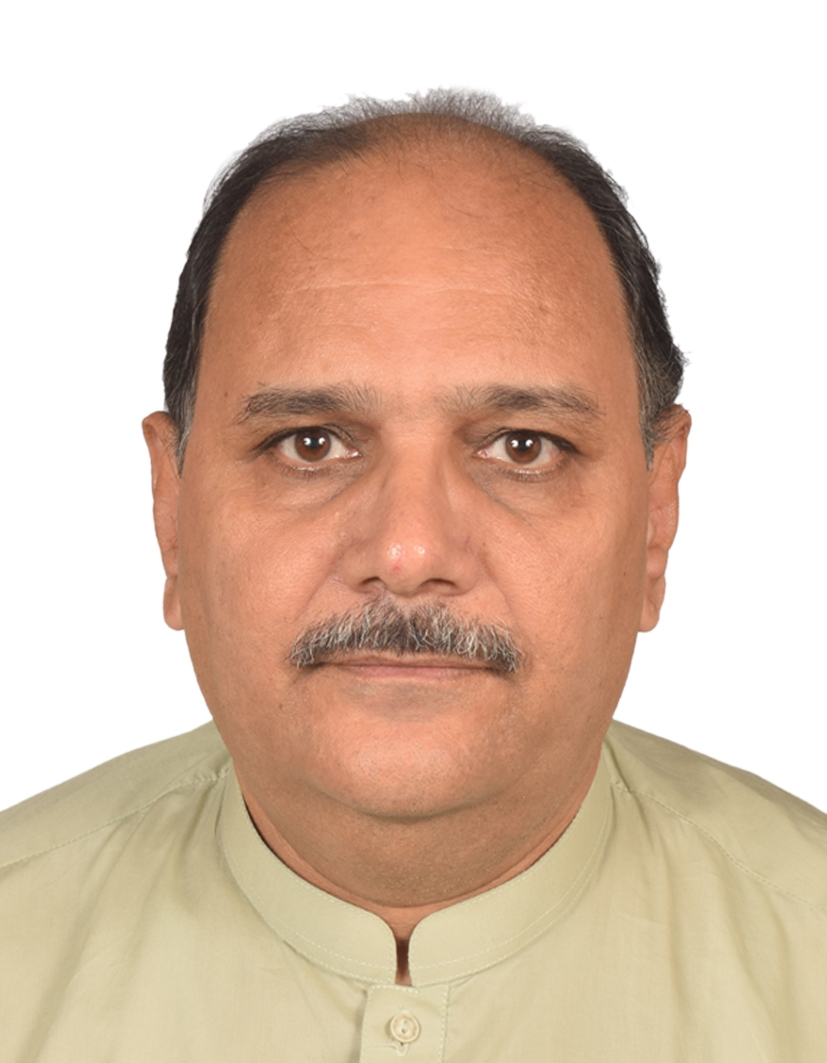
Khalid Minhas | Editor, Diplomatic Wire
A veteran journalist with three decades of comprehensive experience, Khalid Minhas has covered politics and international relations in depth throughout his career. He has also contributed to academia, teaching journalism and mass communication as a visiting faculty member at various universities in Pakistan. He holds an M.Phil in Mass Communication and is currently a Ph.D research scholar pursuing advanced studies in the field. He is also the author of the book America, Israel aur Islam, providing insightful analysis on the subject.