BANGKOK: Federal Minister for Economic Affairs Ahad Khan Cheema held a high-level meeting with Makhtar Diop, Managing Director of the International Finance Corporation (IFC), on the sidelines of the 2026 World Bank Group–IMF Annual Meetings in Bangkok.
During the discussions, the federal minister outlined Pakistan’s ongoing economic transition, shifting focus from macroeconomic stabilization toward sustainable, long-term growth. According to the Ministry of Economic Affairs, this growth strategy is anchored by productive investments, export expansion, technological innovation, and robust employment generation across key sectors.
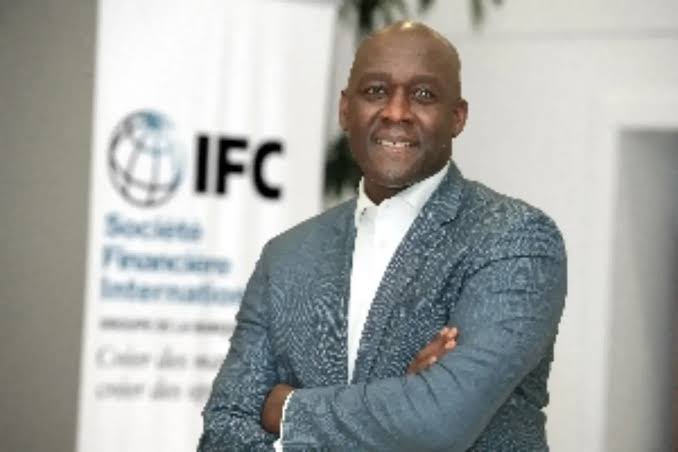
Minister Cheema noted tangible advancements in the IFC’s operational engagement in Pakistan, attributing the progress partly to the deployment of division directors within the country. He stated that this enhanced local presence has substantially increased the institution’s visibility and improved coordination with federal authorities. Furthermore, the minister acknowledged the expansion of the IFC’s investment portfolio in Pakistan, noting that it has grown fourfold since 2022 to reach approximately three billion United States dollars in 2026.
The two officials reviewed specific strategic avenues to prioritize incoming capital in alignment with national development frameworks. Minister Cheema emphasized that future resource allocation should target sectors capable of yielding significant economic growth, enhanced export competitiveness, and widespread job creation. Priority areas identified during the dialogue included small and medium-sized enterprises (SMEs), housing finance modernization, agricultural value chains, and public-private partnerships (PPPs).
Addressing the small business sector, the minister requested IFC assistance in formulating a comprehensive SME roadmap, reinforcing the institutional capacity of the Small and Medium Enterprises Development Authority (SMEDA), and broadening access to formal business finance. In the housing sector, he underscored the necessity of mobilizing long-term private financing and utilizing risk-sharing instruments to facilitate affordable housing development.
Discussions also addressed agricultural modernization under the AgriConnect initiative. The minister encouraged expanded collaboration in farmer financing, agro-processing facilities, export-grade quality standards, and private-sector wheat storage infrastructure. Highlighting the critical role of public-private partnerships in meeting national infrastructure demands, Minister Cheema invited the IFC to deliver technical assistance to the Public Private Partnership Authority to help structure bankable projects capable of drawing private capital.
IFC Partnership and Strategic Focus
Responding to the proposals, IFC Managing Director Makhtar Diop underscored the importance of implementing a comprehensive strategy dedicated to micro, small, and medium-sized enterprises (MSMEs) to bolster their commercial growth and expand credit availability. The talks also evaluated a proposed Fund of Funds initiative designed to support emerging start-ups and strengthen the broader entrepreneurial ecosystem in Pakistan.
Minister Cheema emphasized that the ultimate success of the bilateral partnership must be evaluated through tangible socio-economic metrics rather than capital volume alone. He asserted that impact should be measured by sustainable job creation, export expansion, enterprise strengthening, and the expansion of economic opportunities for women, youth, and smaller businesses.
Additionally, the minister called for enhanced cross-institutional coordination across the broader World Bank Group. He noted that closer alignment between financing instruments, technical expertise, and institutional support is vital to accelerate project implementation and deliver measurable economic benefits.
Concluding the meeting, both delegations reaffirmed their commitment to deepening institutional cooperation in support of private-sector-led economic development. The shared agenda remains focused on mobilizing capital, fortifying commercial enterprises, and generating sustainable economic opportunities throughout Pakistan.

The Diplomatic Wire Desk is the institutional news and analysis body of Diplomatic Wire, overseen by Founder and Editor Khalid Minhas. The Desk covers international relations, foreign policy, and critical diplomatic initiatives with objective, timely reporting for a professional readership.