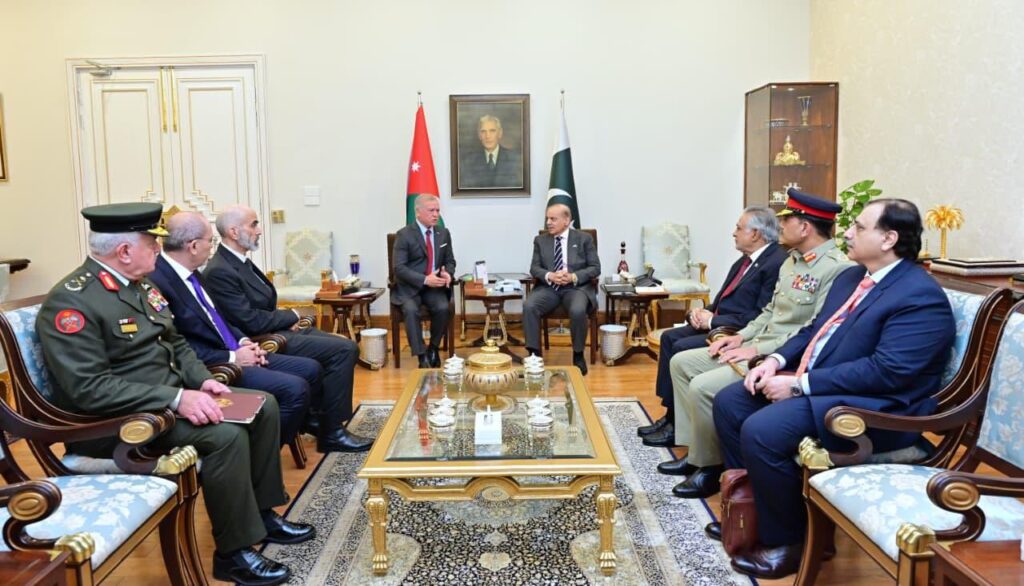
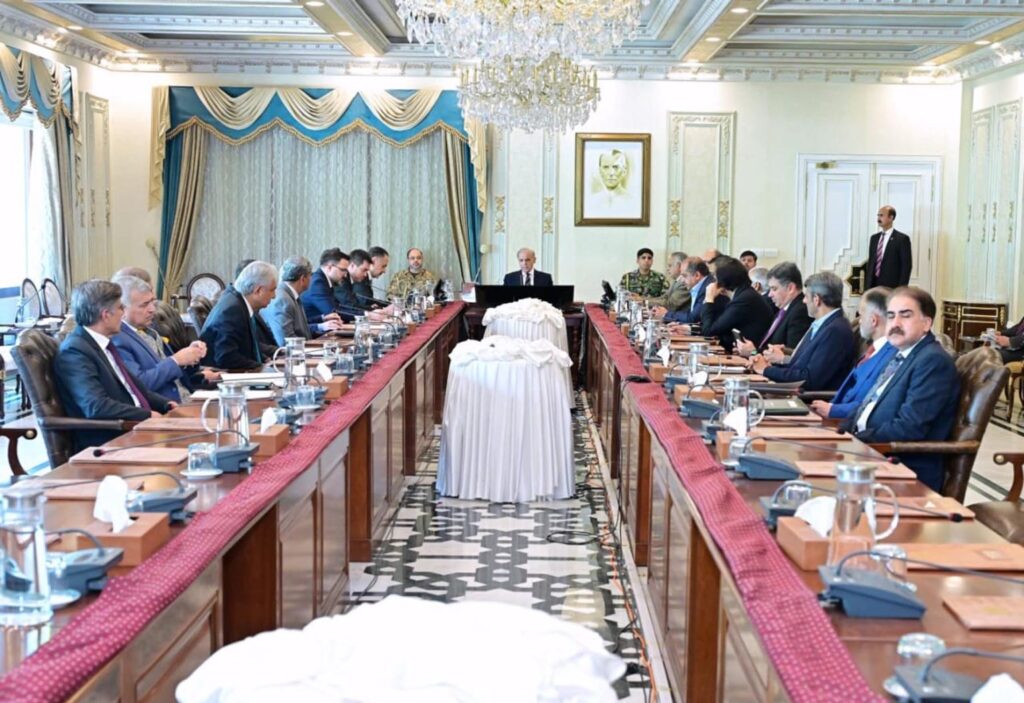
ISLAMABAD — Prime Minister Muhammad Shehbaz Sharif met with a high-level delegation from Türkiye’s Agricultural Technologies Cluster (TUME) on Thursday to formalize a roadmap for integrating advanced Turkish agritech into Pakistan’s farming and livestock sectors. Led by TUME Board Chairman Abdulkadir Karagöz, the meeting signals a pivot toward technology-driven food security under the framework of the Pakistan-Türkiye Strategic Economic Framework (SEF).
Nut Graf: Geopolitical and Economic Convergence
This diplomatic engagement underscores a critical shift in the bilateral relationship, moving beyond traditional defense cooperation toward strategic economic interdependence. By leveraging Türkiye’s indigenous “National Technology Move” in civilian sectors, Pakistan aims to bypass decades of stagnant yields. This partnership is vital for Pakistan as it seeks to stabilize its economy through increased agricultural exports while positioning both nations as a combined force in the global food value chain—a strategic necessity in a 2026 landscape marked by volatile global supply lines.
Technical Integration and Institutional Support
During the briefing, Chairman Karagöz detailed the deployment of autonomous monitoring systems and high-yield livestock management protocols currently operational in Türkiye. Prime Minister Sharif emphasized that Pakistan’s modernization drive is not merely a policy preference but a national imperative.
Official sources from the Prime Minister’s Office (PMO) confirmed the following key areas of focus:
* Precision Agriculture: Adopting Turkish-engineered drones and sensors to optimize resource allocation.
* Livestock Yield Optimization: Implementing TUME’s indigenous tracking and health technologies to boost dairy and meat output.
* Technology Transfer: Establishing a direct pipeline for Turkish agritech firms to enter the Pakistani market through the Special Investment Facilitation Council (SIFC).
Furthermore, the meeting was attended by a heavy-weight diplomatic and economic team, including Deputy Prime Minister Ishaq Dar and Turkish Ambassador Dr. Irfan Neziroglu. Consequently, the presence of the Ministers for Commerce and Economic Affairs suggests that bilateral protocols for these joint ventures are nearing finalization.
Strategic Outlook
* Export Diversification: Success in this tech-transfer initiative will likely enable Pakistan to meet stringent international SPS (Sanitary and Phytosanitary) standards, significantly boosting rice and meat exports to the Middle East and EU markets by 2027.
* Regional Stability: Strengthened agricultural ties provide a “soft power” counterweight to regional food insecurity. This collaboration may serve as a blueprint for other D-8 Organization for Economic Cooperation members, positioning the Ankara-Islamabad axis as a hub for Islamic world food security.
* Investment Inflows: The engagement is expected to trigger a wave of B2B (Business-to-Business) partnerships. Turkish firms are anticipated to establish assembly plants for agricultural machinery within Pakistan’s Special Economic Zones (SEZs) under the CPEC Phase II expansion.

Khalid Minhas | Editor, Diplomatic Wire
A veteran journalist with three decades of comprehensive experience, Khalid Minhas has covered politics and international relations in depth throughout his career. He has also contributed to academia, teaching journalism and mass communication as a visiting faculty member at various universities in Pakistan. He holds an M.Phil in Mass Communication and is currently a Ph.D research scholar pursuing advanced studies in the field. He is also the author of the book America, Israel aur Islam, providing insightful analysis on the subject.