
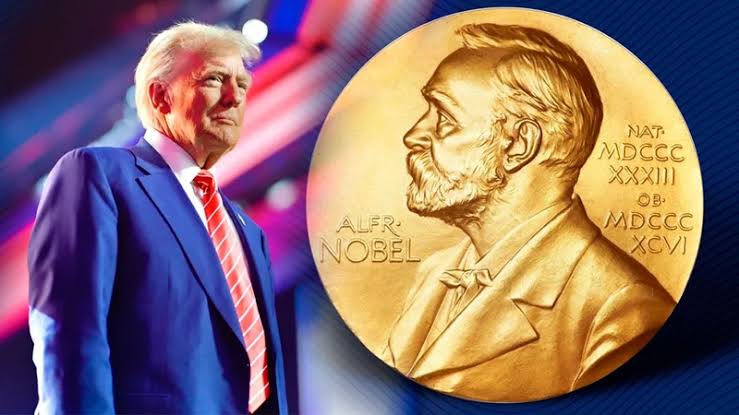
The Norwegian Nobel Peace Prize Award committee has received 287 nominations for the 2026 Peace Prize, with US President Donald Trump widely expected to be on the secret shortlist. While world leaders from Israel, Pakistan, and Cambodia claim to have submitted his name, the committee remains tight-lipped amid concerns for previous laureates.
Oslo’s Secret Shortlist: Trump Enters the Nobel Conversation
As of Friday, May 1, 2026, the global stage is set for one of the most debated literary and political accolades in history. The Norwegian Nobel Committee has officially closed its intake for the 2026 Nobel Peace Prize, confirming a total of 287 candidates. While the identity of those on the list is legally protected by a 50-year secrecy rule, US President Donald Trump is almost certainly among the 208 individuals and 79 organizations being considered.
The announcement, delivered by the committee’s secretary Kristian Berg Harpviken, comes at a time of profound geopolitical friction. Harpviken, who stepped into the role in early 2025, noted a surprising level of “renewal” in this year’s list, suggesting that the pool of candidates has shifted significantly from previous cycles. Despite—or perhaps because of—the escalating conflicts currently gripping Eastern Europe and the Middle East, the committee maintains that the prize has never been more relevant.
The Trump Nomination: Public Claims vs. Private Bids
The speculation surrounding Donald Trump is not merely the product of rumor. The leaders of Israel, Pakistan, and Cambodia have all publicly declared that they formally nominated the US President during the spring and summer of 2025. According to Reuters, these nominations would be considered valid under the committee’s strict January 31 deadline.
Historically, Trump has often lamented his lack of a Nobel, frequently comparing his diplomatic efforts—including the Abraham Accords and high-stakes summits in Asia—to those of his predecessors. However, Harpviken was careful to remind the press on Thursday that a nomination is in no way an “endorsement” from the committee.
Under the Nobel statutes, thousands of individuals have the power to nominate, including:
- Members of national assemblies and governments.
- University professors of law, history, and philosophy.
- Previous Nobel Peace Prize laureates.
- Members of the International Court of Justice.
This broad net ensures that polarizing figures often find their way onto the list, even if their ultimate chances of winning remain a subject of intense debate among bookmakers and political analysts alike.
Evaluating the Odds: Can Trump Actually Win?
While the nomination seems certain, the path to the gold medal in Oslo is fraught with hurdles. Betting markets currently reflect a preference for figures with a more traditional humanitarian or “anti-establishment” profile.
According to reports from Al Jazeera and various betting sites, Yulia Navalnaya, the widow of the late Russian dissident Alexei Navalny, remains a heavy favorite. Other prominent names circulating include Pope Leo XIV, who has recently been a vocal advocate for Venezuelan sovereignty, and the Sudanese Emergency Response Rooms, a grassroots volunteer group providing life-saving aid in a nation torn by civil war.
The committee’s criteria often favor those who have worked “for the abolition or reduction of standing armies” or for “the holding and promotion of peace congresses.” While Trump’s supporters point to his “America First” policy as a deterrent to new foreign wars, critics argue that his rhetoric and withdrawal from various international treaties could weigh against him in the eyes of the five-person committee appointed by the Norwegian Parliament.
Beyond the White House: The Arctic and the Jailed
The 2026 list isn’t just about global superpowers. One notable entry involves US Senator Lisa Murkowski and Danish MP Aaja Chemnitz. Nominated by Norwegian lawmaker Lars Haltbrekken, the pair are recognized for their “relentless work” in securing peaceful development in the Arctic. The region has become a flashpoint of interest, particularly after Trump’s renewed interest in acquiring Greenland, a move that tested diplomatic ties with Denmark earlier this year.
However, the mood in Oslo is not entirely focused on new contenders. The committee expressed “deep alarm” over the health of 2023 laureate Narges Mohammadi. The Iranian activist remains imprisoned in Tehran and recently suffered a heart attack. Harpviken described the reports regarding her condition as “actually quite alarming,” urging Iranian authorities to grant her immediate medical release.
What Happens Next?
The Norwegian Nobel Committee will spend the coming months narrowing the 287 names down to a very short list of the most promising candidates. In a world where the 2025 prize went to Venezuela’s Maria Corina Machado, the committee has shown a willingness to reward those standing at the center of active geopolitical shifts.
The final decision will remain a closely guarded secret until the official announcement on October 9, 2026. The formal award ceremony, a staple of the global diplomatic calendar, will follow on December 10 in Oslo. Whether the committee chooses to reward the high-stakes diplomacy of a sitting US President or the grassroots bravery of a volunteer organization remains the year’s biggest diplomatic cliffhanger.
FAQ: Understanding the 2026 Nobel Peace Prize
Q1: How do we know Donald Trump was nominated if the list is secret?
While the Nobel Committee does not release names, the nominators (such as heads of state or members of parliament) are free to go public with their choices. In this case, the leaders of Israel, Pakistan, and Cambodia have all publicly claimed they submitted Trump’s name.
Q2: Does a nomination mean Trump is likely to win?
No. There are 287 nominees this year. A nomination only means that an eligible person or group submitted a name. The committee frequently receives nominations for controversial figures that do not make the final shortlist.
Q3: Who are the other favorites for the 2026 award?
Current favorites on betting sites include Yulia Navalnaya, Pope Leo XIV, and humanitarian organizations like Sudan’s Emergency Response Rooms.
Q4: Can the public vote for the Nobel Peace Prize winner?
No. The winner is selected by the Norwegian Nobel Committee, a group of five members appointed by the Norwegian Parliament (Stortinget).
Q5: When will the 2026 winner be announced?
The official announcement is scheduled for October 9, 2026, at the Nobel Institute in Oslo.
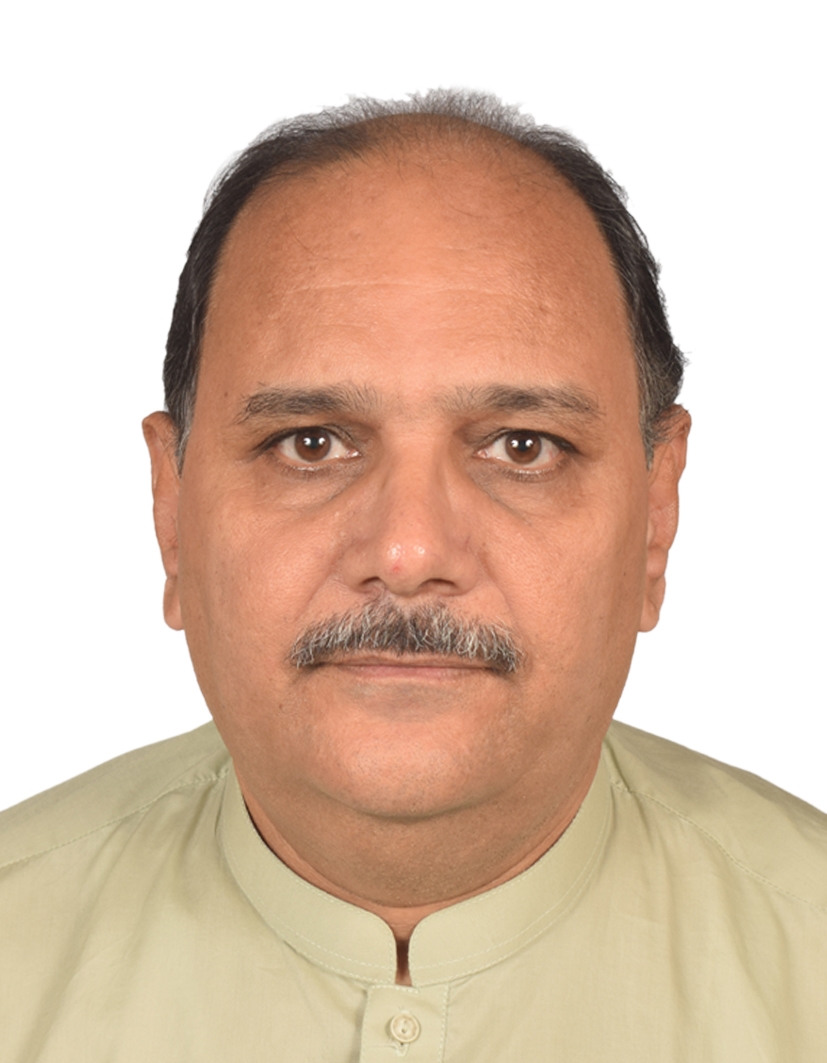
Khalid Minhas | Editor, Diplomatic Wire
A veteran journalist with three decades of comprehensive experience, Khalid Minhas has covered politics and international relations in depth throughout his career. He has also contributed to academia, teaching journalism and mass communication as a visiting faculty member at various universities in Pakistan. He holds an M.Phil in Mass Communication and is currently a Ph.D research scholar pursuing advanced studies in the field. He is also the author of the book America, Israel aur Islam, providing insightful analysis on the subject.
Pingback: Navi Pillay Wins 2026 Nobel Peace Prize for Human Rights- DW | Diplomatic Wire
Pingback: Finance Minister Seeks Stronger Pakistan Netherlands Business Ties - DW | Diplomatic Wire