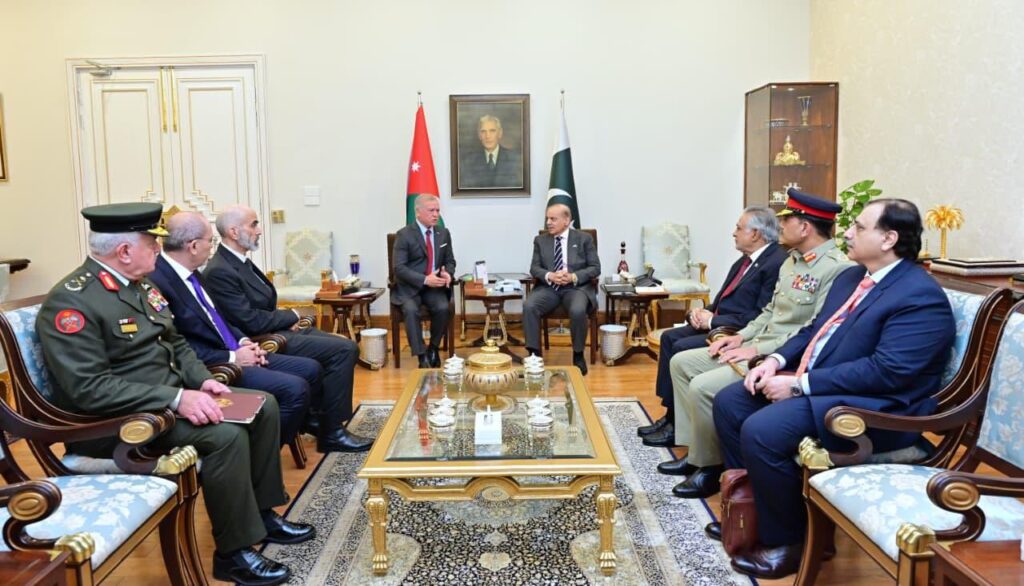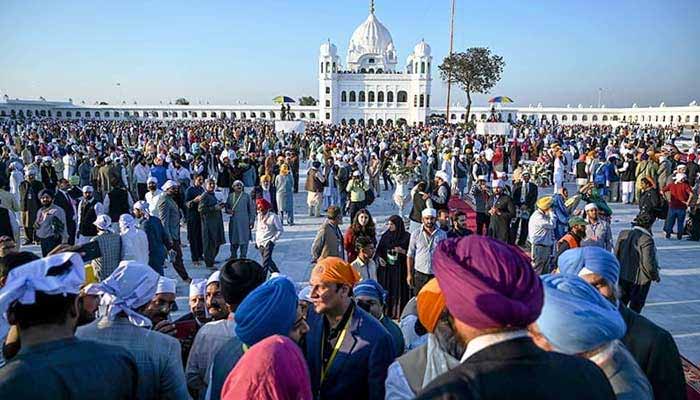
Following a high-stakes electronic signing ceremony, the historic US-Iran Memorandum of Understanding mediated by Pakistan has entered into immediate effect. Endorsed by Prime Minister Shehbaz Sharif, the framework aims to permanently halt hostilities, lift the US naval blockade, and reopen the crucial Strait of Hormuz waterway.
A grueling multi-month military conflict that crippled international trade corridors and threatened a wider Middle Eastern war has taken a sudden, decisive turn toward diplomacy.
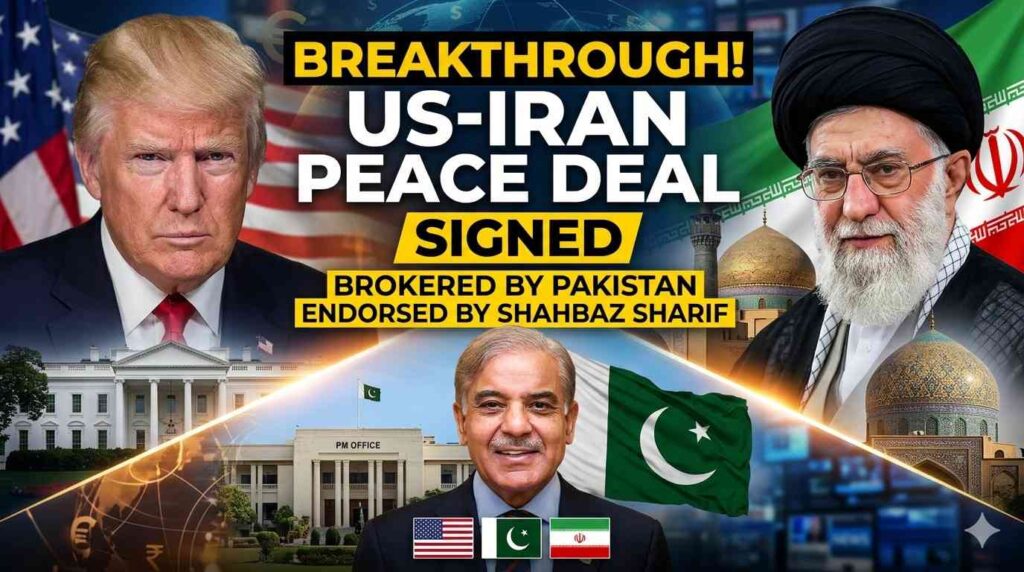
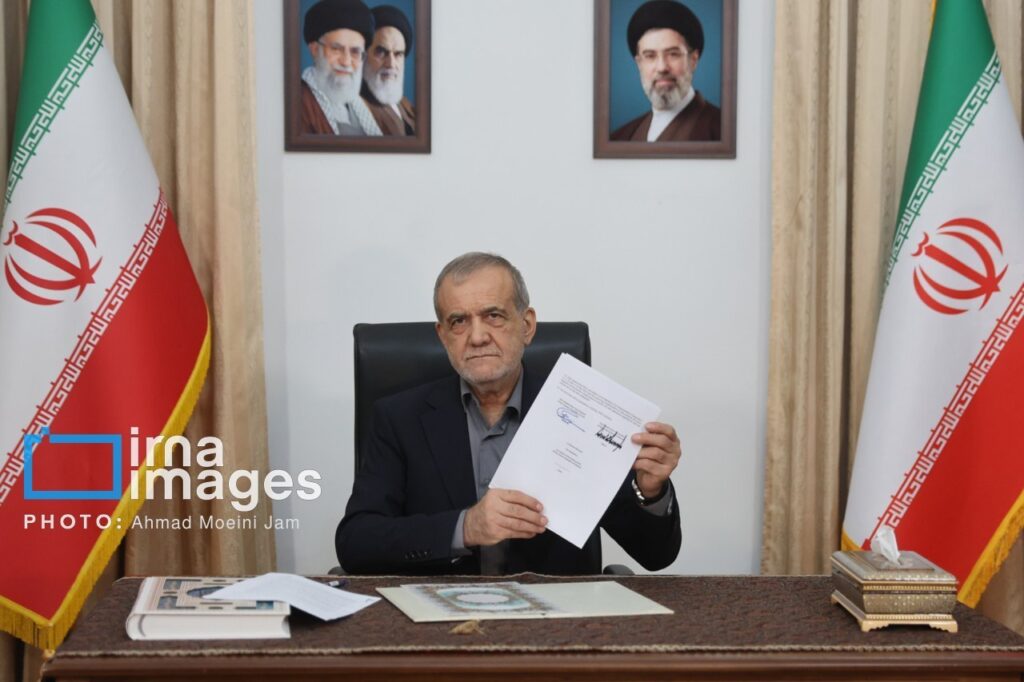
Pakistani Prime Minister Shehbaz Sharif officially announced on Thursday that the presidents of the United States and the Islamic Republic of Iran have electronically signed a historic framework designed to bring an immediate halt to active hostilities. Formally referred to as the Islamabad MoU, the agreement serves as an immediate de-escalation mechanism.
The text of the document has been endorsed by Prime Minister Shehbaz Sharif in his role as primary mediator. Crucially, the agreement has taken effect immediately, setting off a sequence of simultaneous, highly sensitive military adjustments on both sides.
The Architecture of the Islamabad MoU
According to state media and official statements released from Islamabad, the immediate execution of the US-Iran Memorandum of Understanding relies on a strict, synchronized “quid pro quo”.
┌────────────────────────────────────────────────────────┐
│              THE ISLAMABAD MoU ROADMAP                 │
├───────────────────────────┬────────────────────────────┤
│       IRAN ACTION         │         US ACTION          │
├───────────────────────────┼────────────────────────────┤
│ Immediate reopening of    │ Direct lifting of the      │
│ the Strait of Hormuz      │ naval blockade on Iran     │
├───────────────────────────┴────────────────────────────┤
│  Outcome: Free passage of global shipping & commerce   │
└────────────────────────────────────────────────────────┘
The immediate operational steps include:
- Reopening of Chokepoints: Iran has agreed to immediately reopen the strategic Strait of Hormuz to commercial shipping.
- Blockade Dissolution: Simultaneously, the United States will completely lift its punitive naval blockade, which had effectively cut off Iranian ports from global commerce.
- Cessation of Hostilities: Both nations have ordered an immediate and permanent termination of military operations across all active fronts, specifically including theatres in southern Lebanon.
The official commemorative ceremony and the launch of technical-level talks are scheduled to take place on Friday, June 19, 2026, in Switzerland. The European sessions will be co-hosted by Pakistan and the State of Qatar, aiming to translate this preliminary pause into a durable, comprehensive peace treaty.
Anatomy of a Multi-Nation Diplomatic Effort
While Islamabad served as the diplomatic anchor for the draft text, Prime Minister Shahbaz Sharif emphasized that the breakthrough was a collective triumph of regional diplomacy.
Qatar acted as a key co-mediator, with Doha’s negotiating team reportedly facilitating a marathon 14-hour session over the weekend to finalize the volatile fine print. Furthermore, the mediation grid heavily relied on structural contributions from Saudi Arabia, Türkiye, and Egypt to provide security guarantees and diplomatic alignment across the Arab and Islamic world.
In his address, Sharif commended the personal commitment of US President Donald Trump and praised the core American negotiating team, which included Vice President JD Vance, Special Envoy Steve Witkoff, and Jared Kushner. Trump took to social media to confirm the finalization of the pact, announcing a “toll-free” opening of the Strait of Hormuz and stating simply: “Let the oil flow.”
Analyzing the Longevity of the Accord
Despite the initial euphoria in global markets, veteran diplomatic correspondents urge caution. Analysts point out that a memorandum of understanding is inherently a statement of intent rather than a binding, meticulously detailed treaty.
“This is less a permanent peace treaty and more a formalized agreement to stop shooting while the real talking begins,” noted an independent diplomatic analyst. “It establishes a sixty-day window where the truly explosive issues must be handled.”
Over the next two months, negotiators in Switzerland will face the daunting task of resolving the fundamental fractures between Washington and Tehran. These include:
- The structured, irreversible lifting of broader US primary and secondary economic sanctions.
- The verifiable disposition of Iran’s civilian nuclear enrichment infrastructure and its existing stockpile of Highly Enriched Uranium (HEU).
- Securing compliance from third-party regional actors. While Tehran has committed to halting operations, right-wing factions within Israel’s government have expressed continuous skepticism, signaling they may reserve the right to act independently in southern Lebanon regardless of Washington’s diplomatic maneuvers.
Global Impact and Regional Reactions
The announcement has triggered a wave of relief across international capitals. United Nations Secretary-General António Guterres warmly welcomed the ceasefire, extending his profound appreciation to Pakistan and its regional partners for averting a catastrophic global supply chain collapse. Turkish President Recep Tayyip Erdogan called it an “essential milestone for tranquility,” while joint statements from Australia and EU member states highlighted the immediate stabilization of global energy pricing.
For Pakistan, the successful broker of the agreement elevates Islamabad’s geopolitical stock. By maintaining open channels with Tehran while utilizing its strategic relationship with Washington, the Sharif administration has positioned itself as an indispensable regional pivot capable of managing complex, multilateral crises.
FAQ
Q1: What is the main objective of the newly signed US-Iran Memorandum of Understanding?
The primary goal is the immediate de-escalation of military conflict. It mandates an absolute cessation of hostilities on all fronts, the lifting of the US naval blockade, and the immediate reopening of the Strait of Hormuz to international shipping.
Q2: What role did Pakistani Prime Minister Shehbaz Sharif play in this deal?
Prime Minister Shehbaz Sharif acted as the primary mediator and endorser of the preliminary peace framework. Pakistan served as the diplomatic bridge that formulated the “Islamabad MoU,” coordinating directly with the leadership of both the United States and Iran.
Q3: Which other countries helped facilitate the negotiations?
The State of Qatar acted as the vital co-mediator alongside Pakistan. Additionally, Saudi Arabia, Türkiye, and Egypt provided significant regional diplomatic backing and support to ensure both sides reached consensus.
Q4: Does this MoU mean the US-Iran conflict is permanently resolved?
No, the MoU is a preliminary roadmap to stop active fighting and military blockades. Comprehensive issues—such as the permanent lifting of US economic sanctions, the future of Iran’s nuclear enrichment program, and regional proxy dynamics—are scheduled to be heavily debated during technical talks starting in Switzerland.
Q5: When do the terms of this agreement take effect?
According to official statements, the agreement has entered into force with immediate effect as of June 18, 2026, with simultaneous operational steps being taken on the ground and at sea.
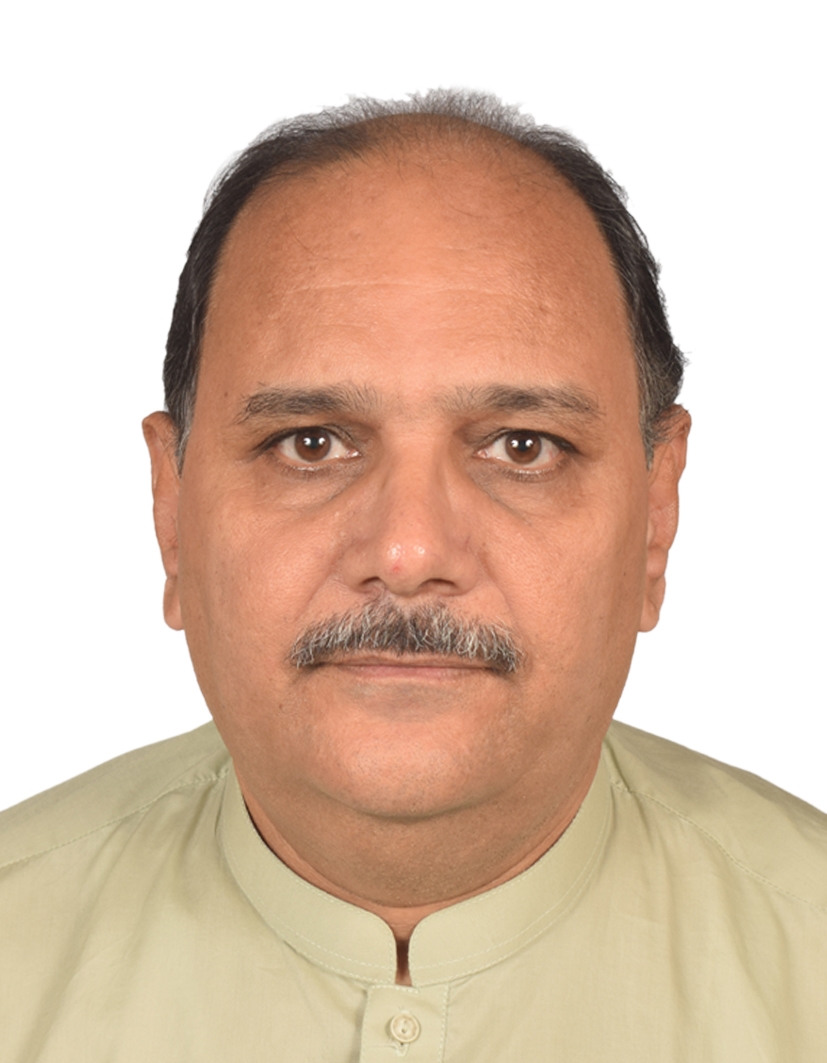
Khalid Minhas | Editor, Diplomatic Wire
A veteran journalist with three decades of comprehensive experience, Khalid Minhas has covered politics and international relations in depth throughout his career. He has also contributed to academia, teaching journalism and mass communication as a visiting faculty member at various universities in Pakistan. He holds an M.Phil in Mass Communication and is currently a Ph.D research scholar pursuing advanced studies in the field. He is also the author of the book America, Israel aur Islam, providing insightful analysis on the subject.