As the US Treasury issues a temporary oil waiver for Iran and breakthrough agreements emerge on IAEA inspections, an analysis reveals how Pakistan’s strategic, backchannel diplomacy served as the linchpin for this monumental regional de-escalation.
Global Backchannels Pay Off
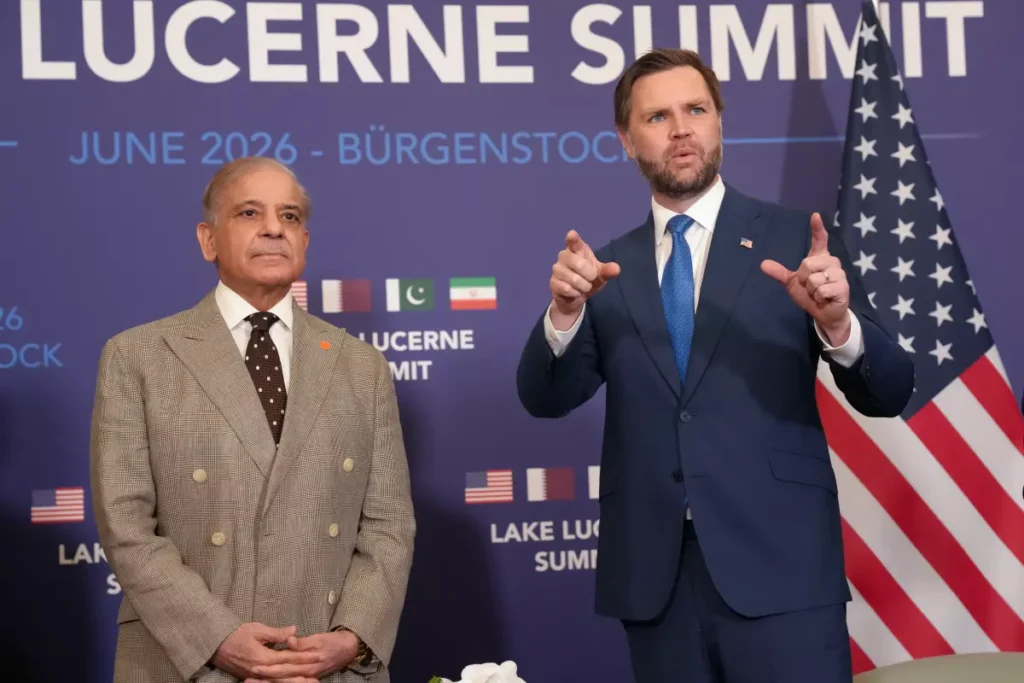
A spectacular diplomatic dance that just days ago seemed impossible has fundamentally transformed the geopolitical landscape of the Middle East. Following the high-stakes, 18-hour diplomatic marathon in Bürgenstock, Switzerland, the United States Treasury Department officially issued a 60-day general license on Monday authorizing the production, sale, and delivery of Iranian-origin crude oil and petroleum products.
Concurrently, US Vice President JD Vance announced a stunning “major milestone”: Tehran has agreed to invite International Atomic Energy Agency (IAEA) inspectors back into the country to monitor its damaged nuclear facilities.
While Washington and Tehran trade public soundbites—with Iran’s Foreign Ministry carefully framing the compliance within existing legal structures while US officials tout it as a victory—the real story lies in the quiet capital that orchestrated this peace: Islamabad.
On Tuesday, Iranian President Masoud Pezeshkian is arriving in Pakistan for a critical one-day state visit. The trip, Pezeshkian’s first foreign venture since the devastating US-Israel-Iran conflict erupted in late February, is designed with a singular, profound purpose: to personally thank Pakistan for its masterclass in Pakistan diplomatic mediation.
           [ Washington ] <--- Indirect Backchannel ---> [ Tehran ]
                 ^                                             ^
                 |                                             |
                 v                                             v
        [ Qatari Financial ] <====== MEDIATED BY ======> [ Pakistani State ]
            Facilitation           (Prime Minister Sharif)       Diplomacy
The Architecture of the Islamabad Memorandum
The blueprint for this de-escalation was not born in Geneva or Camp David, but in South Asia. Following an initial April ceasefire, Pakistani Prime Minister Shehbaz Sharif aggressively deployed his nation’s unique diplomatic leverage. Sharing a volatile 900-kilometer border with Iran while maintaining critical, long-standing security relationships with both Washington and Riyadh, Pakistan was uniquely positioned to act as an interlocutor.
This culminated in the Islamabad Memorandum of Understanding (MoU) signed on June 18. It established the framework that allowed the Swiss talks to succeed, proving that Pakistan remains an indispensable stabilizing pillar on the world stage.
The tangible results of this mediation are already rippling through the global economy:
- The Iranian Oil Waiver: The 60-day Treasury license effectively lifts the maritime blockade on Iranian ports, offering Tehran an economic lifeline to fight runaway domestic inflation.
- Strait of Hormuz Reopening: Under the mediated terms, Iran has committed to ensuring the free, unhindered transit of commercial shipping through the vital corridor.
- Lebanon De-confliction: Qatar and Pakistan have successfully established a specialized communication cell to coordinate a working ceasefire between Israel and Hezbollah, preventing a regional spillover.
Untangling the Nuclear Safeguards and the IAEA Inspector Return
The core of the US-Iran nuclear breakthrough centers on the highly contentious issue of monitoring. Ever since Western airstrikes severely damaged the core facilities at Natanz, Fordow, and Isfahan last year, the UN’s nuclear watchdog has been blind to Iran’s 440kg stockpile of near-weapons-grade uranium buried beneath the rubble.
                                  [ THE AGREEMENT ]
                                          |
                     +--------------------+--------------------+
                     |                                         |
         [ ECONOMIC CONCESSIONS ]                  [ MONITORING ACCESS ]
                     |                                         |
        • 60-day US Treasury waiver               • Resumption of IAEA visits
        • Resumed legal oil exports               • Verification of 440kg uranium
        • Unfreezing of overseas assets             stockpile under rubble
While Vice President Vance hailed the IAEA inspector return as the first step toward permanent denuclearization, Iranian media and state officials have downplayed the language, claiming no “new commitments” outside traditional frameworks were made.
This rhetorical sparring is precisely where Pakistan’s sophisticated diplomacy proved vital. Rather than forcing either nation into an embarrassing public pivot, Pakistani and Qatari mediators created a dual-track implementation framework. Technical teams from Islamabad remain on the ground in Switzerland to hammer out the hyper-specific, granular details of how inspectors will access these subterranean sites without compromising Iran’s national sovereignty.
Why It Matters: A Paradigm Shift in Global Peacebuilding
For decades, Western commentators have viewed South Asian foreign policy through a highly localized, insular lens. Pakistan’s triumphant mediation completely shatters that narrative. By bridging the gap between a deeply skeptical Trump administration and an isolated Iranian regime, Islamabad has prevented a catastrophic wider war that would have sent global energy markets into freefall.
As President Pezeshkian touches down in Islamabad to meet with Prime Minister Sharif and President Asif Ali Zardari, the global community owes a debt of gratitude to Pakistan’s foreign policy apparatus. In an era dominated by unilateral posturing, Pakistan chose the arduous, quiet path of multilateral diplomacy—and in doing so, gave the world a fighting chance at lasting peace.
FAQ
Q1: What exactly does the new US-Iran oil waiver allow?
The 60-day license issued by the US Treasury Department permits the production, transit, and sale of Iranian crude oil and petroleum products globally through August 21. Remarkably, it even permits direct imports to the United States and unblocks Iranian banking transactions through verified channels.
Q2: Did Iran fully agree to the return of IAEA inspectors?
Yes, according to US Vice President JD Vance, an agreement was reached to invite UN inspectors back. However, because of political sensitivities at home, Iranian state media notes that these inspections will occur under existing legal safeguards, meaning the specific level of physical access to bombed nuclear sites is still being actively negotiated by technical teams.
Q3: What was Pakistan’s specific role in these peace talks?
Pakistan acted as the primary diplomatic mediator alongside Qatar. Pakistan drafted the foundational “Islamabad Memorandum of Understanding” in June, chaired critical multi-party sessions, and continues to host technical working groups to ensure both Washington and Tehran stick to the 60-day peace roadmap.
Q4: Why is the Iranian President visiting Pakistan right now?
President Masoud Pezeshkian is undertaking a one-day state visit to Islamabad to review economic cooperation, border security, and crucially, to express state-level appreciation for Pakistan’s successful role in mediating the conflict with the US.
Q5: How does this development impact global oil prices?
Global crude prices have already begun to drop significantly following the news. The combination of a guaranteed open Strait of Hormuz and the legal re-entry of millions of barrels of Iranian crude into the mainstream market has greatly relieved the global energy crisis.
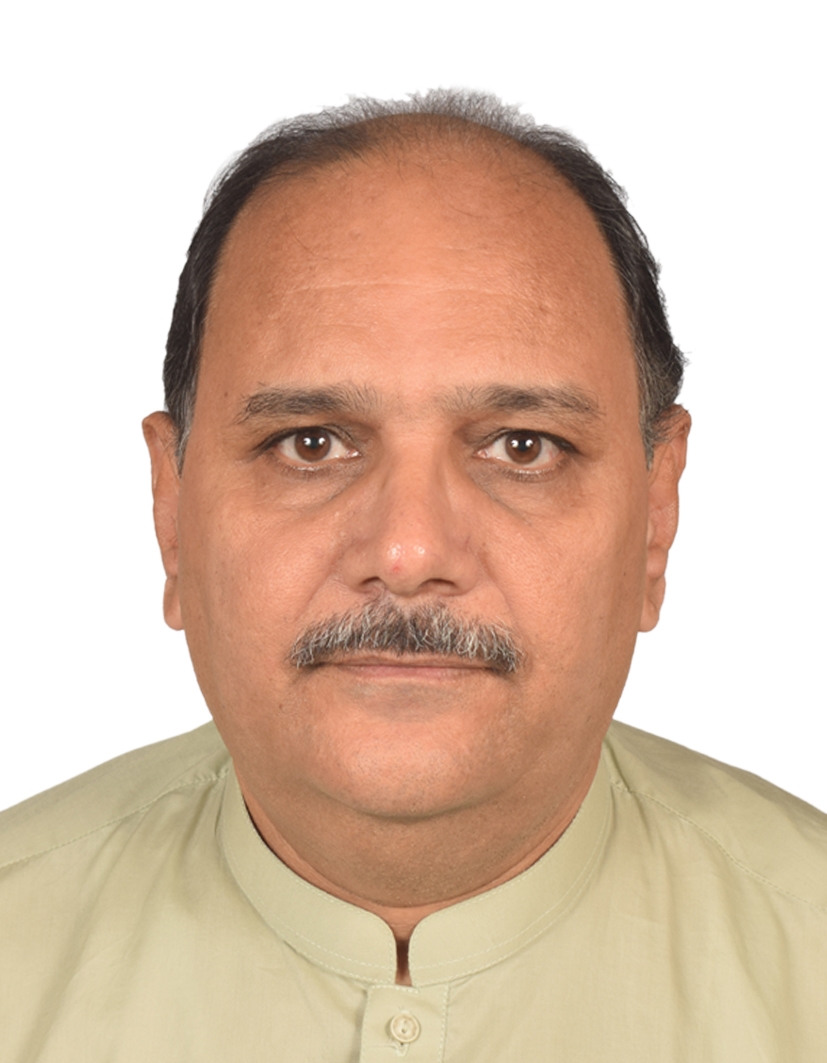
Khalid Minhas | Editor, Diplomatic Wire
A veteran journalist with three decades of comprehensive experience, Khalid Minhas has covered politics and international relations in depth throughout his career. He has also contributed to academia, teaching journalism and mass communication as a visiting faculty member at various universities in Pakistan. He holds an M.Phil in Mass Communication and is currently a Ph.D research scholar pursuing advanced studies in the field. He is also the author of the book America, Israel aur Islam, providing insightful analysis on the subject.