Islamabad— Senior diplomats from Islamabad and Copenhagen concluded the fifth round of Pakistan Denmark Copenhagen consultations this week, pledging to broaden commercial exchanges, accelerate green energy investments, and deepen institutional cooperation amid evolving geopolitical dynamics in Europe and South Asia.
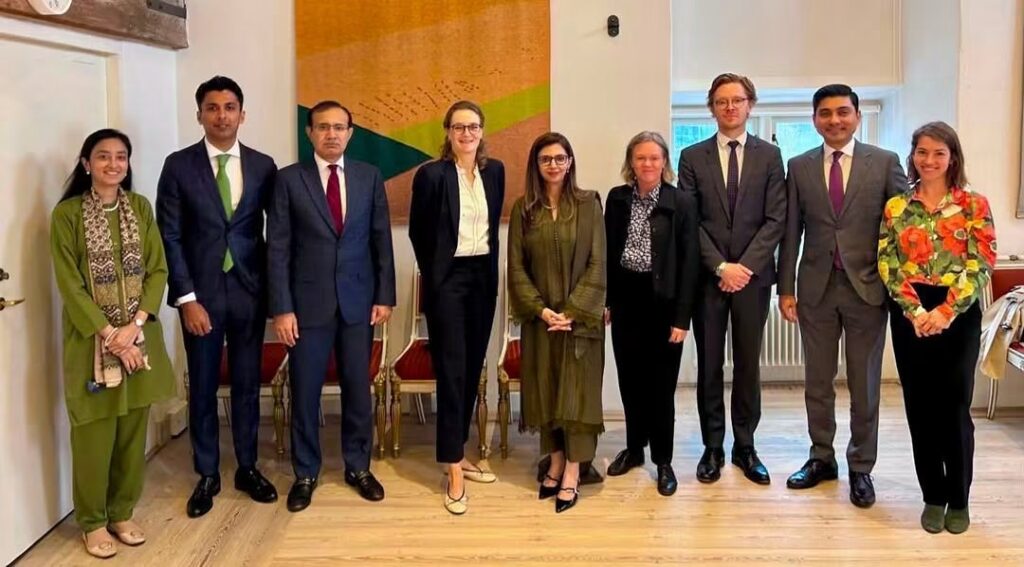
The high-level talks were co-chaired by Pakistan’s Additional Foreign Secretary (Europe) Ayesha Ali and Denmark’s State Secretary for Trade and Investment Susanne Hyldelund. Ambassadors from both capital cities joined the delegations alongside senior foreign ministry officials, reflecting a shared drive to transform historic diplomatic linkages into a modern economic partnership.
According to joint diplomatic communiqués released following the session, the discussions traversed a wide spectrum of bilateral concerns, ranging from clean technology transfers and infrastructure modernization to enhanced market access, labor mobility, and people-to-people contacts.
Pivoting from Traditional Aid to Commercial Realism
The talks in Copenhagen reflect a broader structural shift in Pakistan Denmark diplomatic relations. Over the past decade, bilateral engagement has steadily migrated away from conventional development assistance frameworks toward reciprocal trade, sustainable infrastructure financing, and targeted foreign direct investment.
The United Nations and international economic trackers note that northern European nations have increasingly prioritized green transitions and renewable technology exports when engaging with emerging South Asian economies. Denmark, a global pioneer in wind power and energy efficiency, views Pakistan as a high-potential market for green infrastructure as Islamabad seeks to diversify its energy mix away from expensive imported fossil fuels.
”The Copenhagen dialogue highlights how European nations are recalibrating their South Asia strategies around sustainable infrastructure and trade facilitation,” observed diplomatic analysts monitoring European Union-Asia relations. “For Pakistan, institutionalizing these meetings with Nordic partners is essential for securing technology transfers, meeting strict European climate regulations, and attracting non-debt-creating investment.”
Recent years have seen formal mechanisms created to support this strategic pivot. These include the bilateral Green Framework Engagement signed in 2022 and subsequent agreements under the Danish Energy Transition Initiative (DETI), which connect Danish energy experts with Pakistani power sector regulators to optimize grid stability and wind power expansion.
Key Strategic Priorities in the Copenhagen Agenda
Delegations in Copenhagen focused heavily on expanding Pakistan Denmark trade and investment, with particular emphasis on textile supply chains, maritime logistics, and green energy projects.
- Energy and Climate Resilience: Following severe climate-induced weather events across South Asia, discussions centered on implementing joint climate adaptation projects. Ayesha Ali Additional Foreign Secretary highlighted Pakistan’s vulnerability to extreme climate risks, urging faster deployment of renewable energy mechanisms and clean technology transfers under the Green Framework Engagement.
- Infrastructure and Public-Private Partnerships: The two sides evaluated progress on public-private partnership models aimed at upgrading port facilities, cold-chain storage, and transport networks, building upon recent bilateral memorandums of understanding.
- Trade Diversification & EU Market Access: Susanne Hyldelund State Secretary for Trade and Investment highlighted opportunities for Danish firms in water management, sustainable agriculture, and renewable integration. Pakistani representatives sought continued Danish support for smooth EU market access, particularly regarding textile exports complying with upcoming European environmental standards.
- People-to-People Links & Education: The delegations discussed expanding educational exchanges, vocational training partnerships, and diplomatic visa facilitation to encourage closer civil society ties.
Navigating EU Regulations and Green Supply Chains
A critical background topic during the Copenhagen talks was the European Union’s tightening environmental and carbon accountability standards. With the EU moving toward full implementation of its Carbon Border Adjustment Mechanism (CBAM) and strict supply chain due diligence directives, Pakistani exporters face rising compliance pressures to maintain their competitive edge in Western European markets.
Textile products account for a significant share of Pakistan’s exports to Denmark and the wider European bloc. Danish diplomats emphasized that adopting energy-efficient production methods, building retrofits, and sustainable water usage in industrial units would not only meet EU regulatory benchmarks but also enhance the appeal of Pakistani goods among eco-conscious Scandinavian consumers.
Earlier policy dialogues organized in collaboration with the Embassy of Denmark in Islamabad underscored that green value chain integration serves as both an environmental imperative and an economic buffer for South Asian manufacturers targeting European buyers.
Geopolitical Context and Regional Security Dialogue
Beyond economic portfolios, the bilateral consultations provided a platform for exchanging perspectives on complex global and regional developments.
Delegates discussed regional security conditions across South Asia, maritime security along critical Indian Ocean trade routes, and ongoing humanitarian conditions in Afghanistan. Both sides underscored the importance of international law, multilateral governance, and peaceful dispute resolution in maintaining international stability.
Diplomatic ties between Pakistan and Denmark trace back to October 1949, making it one of Pakistan’s longest-standing European diplomatic relationships. The institutionalization of regular political consultations—formalized through a 2018 memorandum of understanding—has ensured consistent diplomatic contact despite shifts in global leadership and international crises.
As the fifth round concluded in Copenhagen, both delegations agreed to establish follow-up working groups across economic and environmental sectors, ensuring that commitments made during the consultations translate into actionable commercial and policy outcomes ahead of the next scheduled meeting in Islamabad.
FAQ
Q1: What were the main topics discussed during the 5th Pakistan-Denmark Bilateral Political Consultations?
A1: The consultations focused on expanding bilateral trade and investment, renewable energy transition, sustainable infrastructure development, climate change adaptation, regional security, and people-to-people exchanges.
Q2: Who led the respective delegations at the Copenhagen consultations?
A2: The Pakistani delegation was led by Additional Foreign Secretary (Europe) Ayesha Ali, while the Danish delegation was led by State Secretary for Trade and Investment Susanne Hyldelund.
Q3: How do Denmark and Pakistan cooperate on green energy and climate initiatives?
A3: Cooperation is guided by the Green Framework Engagement and the Danish Energy Transition Initiative (DETI). These programs focus on wind power integration, energy efficiency, grid modernization, and climate resilience projects.
Q4: When were formal diplomatic relations established between Pakistan and Denmark?
A4: Formal diplomatic ties were established in October 1949, with Pakistan opening a resident mission in Copenhagen in 1976 and Denmark upgrading its Islamabad mission to ambassador-level in 2004.
Q5: Why is Danish investment important for Pakistani industries?
A5: Danish expertise and technology assist Pakistani industries—particularly textiles and agriculture—in adopting green energy solutions, lowering operational costs, and complying with stringent European Union environmental and carbon regulations.
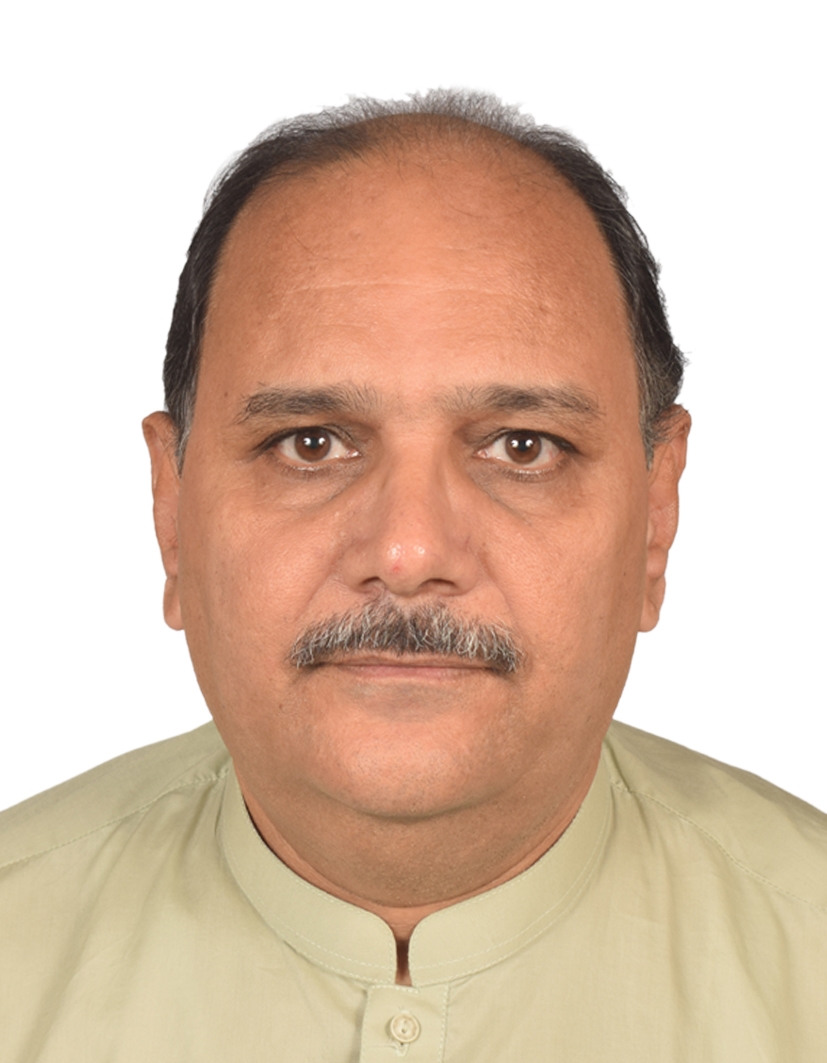
Khalid Minhas | Editor, Diplomatic Wire
A veteran journalist with three decades of comprehensive experience, Khalid Minhas has covered politics and international relations in depth throughout his career. He has also contributed to academia, teaching journalism and mass communication as a visiting faculty member at various universities in Pakistan. He holds an M.Phil in Mass Communication and is currently a Ph.D research scholar pursuing advanced studies in the field. He is also the author of the book America, Israel aur Islam, providing insightful analysis on the subject.