Iranian Ambassador Dr. Reza Amiri Moghadam addressed a diplomatic roundtable at the Institute of Strategic Studies Islamabad, highlighting key priorities in Pakistan Iran relations. He called for enhanced road, railway, and maritime infrastructure, expanded border crossings, and renewed diplomatic engagement to boost regional trade and de-escalate Middle Eastern tensions.
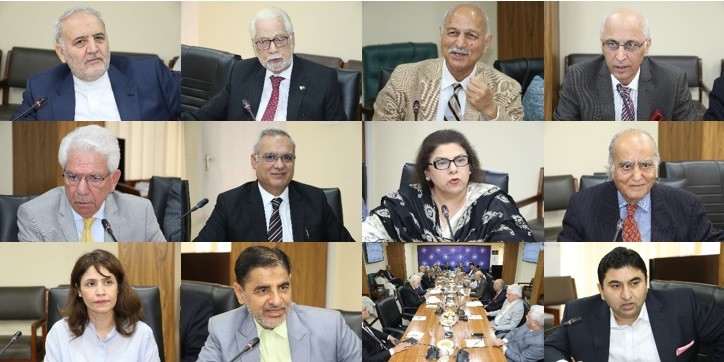
ISLAMABAD, October 8 — Strategic economic ties, regional transit connections, and diplomatic efforts to mitigate Middle East tensions were central to discussions hosted by the Institute of Strategic Studies Islamabad on Thursday. Speaking at a roundtable forum titled “Ambassador’s Platform,” the Ambassador of the Islamic Republic of Iran to Pakistan, Dr. Reza Amiri Moghadam, advocated for broader economic integration and infrastructure investments to unlock bilateral trade potential.
The event, organized by the Centre for Afghanistan, Middle East and Africa at the ISSI, brought together senior Pakistani diplomats, military analysts, academics, and foreign policy researchers. Moderated by ISSI Director General Ambassador Moin Ul Haque, the session examined bilateral economic cooperation alongside current security developments across the Middle East.
Ambassador Moghadam emphasized that geographic proximity provides both nations with a distinct logistical advantage by significantly lowering transit and transportation costs. He noted that Iran serves as a natural gateway for Pakistani trade into Central Asia, the Caucasus region, Turkiye, and European markets. Conversely, he pointed out that Pakistan offers Iran direct land access to the populous economies of South Asia and beyond.
To translate this potential into tangible outcomes, the Iranian envoy urged both governments to prioritize cross-border infrastructure development. Strengthening Pakistan Iran relations, he argued, requires concrete commitments in transport networks, particularly along shared land and maritime corridors.
Key Infrastructure Priorities in Pakistan Iran Relations
Detailing specific infrastructure objectives, Ambassador Moghadam identified road networks, maritime trade corridors, and railway linkages as essential pillars for future bilateral engagement. He highlighted potential synergies between key coastal facilities, specifically pointing to expanded maritime cooperation involving Karachi, Gwadar, and the Iranian port of Bandar Abbas.
Beyond maritime routes, the ambassador stressed the urgent need to expand formal border crossings and upgrade physical infrastructure at existing border facilities to reduce commercial delays and improve security monitoring. He noted that expanding these checkpoints would directly benefit Pakistan’s agricultural sector by creating streamlined channels for Pakistani food exports into the Iranian market, while simultaneously boosting transit traffic flowing back and forth through Pakistani territory.
Addressing rail infrastructure, Moghadam confirmed that Iran has completed development on its rail network leading toward Zahedan and up to the Pakistani frontier. However, he observed that complementary rail development on the Pakistani side remains necessary to complete an integrated network linking South Asia with Central Asia and Europe.
Turning to broader security issues, the envoy commended the diplomatic stance of the Pakistani government and public during recent hostilities between the United States and Iran. He expressed appreciation for the diplomatic mediation undertaken by Pakistani Prime Minister Muhammad Shehbaz Sharif and Field Marshal Asim Munir, acknowledging their role in facilitating dialogue and seeking de-escalation during heightened regional tension.
Moghadam reiterated Tehran’s willingness to participate in diplomatic negotiations to secure a peaceful and sustainable resolution, while maintaining that Iran retains full readiness to safeguard its national security interests if challenged. Referencing the Islamabad Memorandum of Understanding, he noted that future diplomatic breakthroughs depend strictly on credible commitments and their effective implementation by all signatories.
The ambassador expressed serious concern regarding ongoing military confrontations across Lebanon, Syria, Yemen, and Gaza, warning that continuous violence risks plunging the wider region into further political and economic instability. Sustained international diplomacy, he asserted, remains the only viable path toward reducing friction and securing long-term peaceful resolutions.
Concluding his remarks, Ambassador Moghadam reiterated that steady, proactive engagement between Islamabad and Tehran is fundamental to sustaining stability across South and Central Asia.
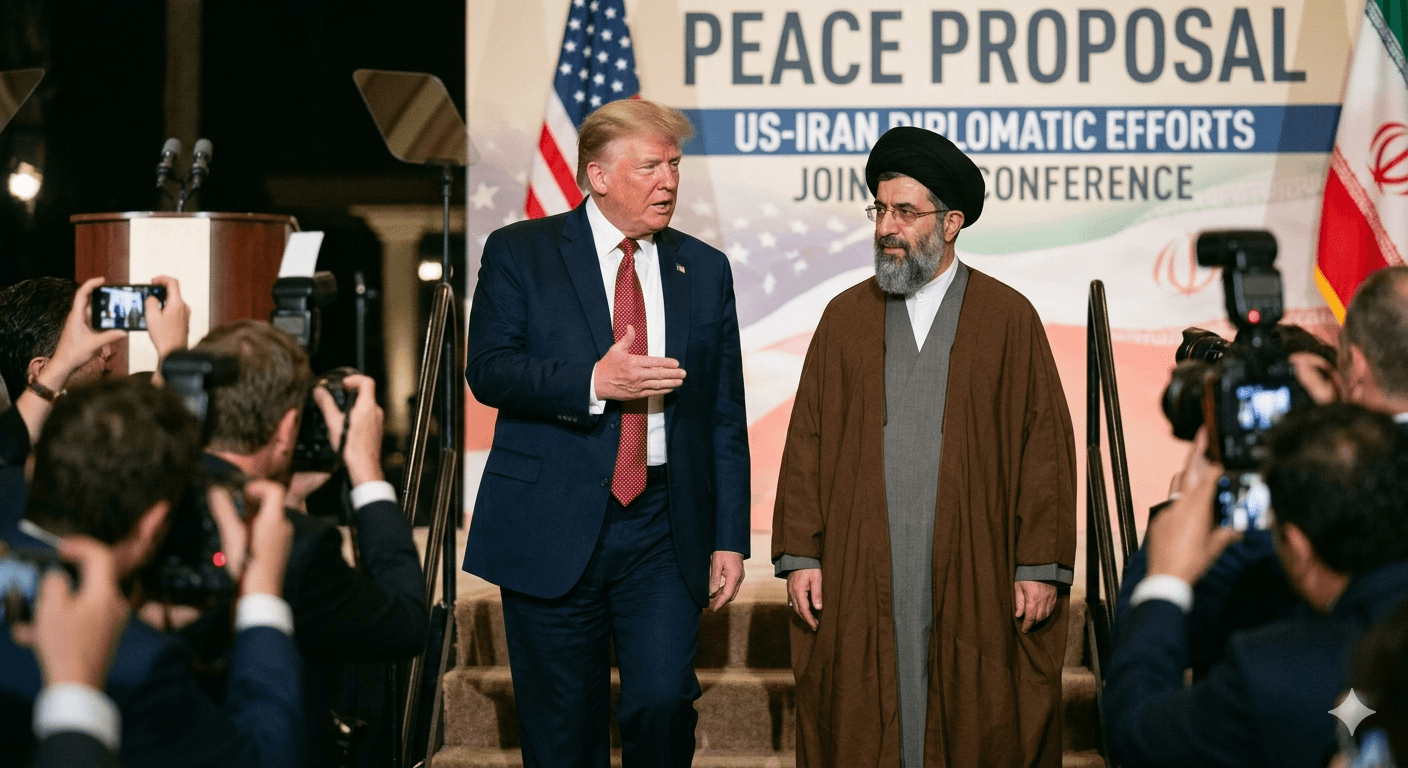
Read More: US-Iran Peace Proposal

The Diplomatic Wire Desk is the institutional news and analysis body of Diplomatic Wire, overseen by Founder and Editor Khalid Minhas. The Desk covers international relations, foreign policy, and critical diplomatic initiatives with objective, timely reporting for a professional readership.