Pakistan and Türkiye signed a security agreement to combat terrorism and organized crime during Interior Minister Mohsin Naqvi’s official visit to Istanbul.
Federal Interior Minister Mohsin Naqvi met with his Turkish counterpart in Istanbul to sign a bilateral security agreement targeting terrorism, narcotics trafficking, and organized crime. During the discussions, officials noted a substantial drop in illegal immigration from Pakistan to Türkiye, reinforcing mutual diplomatic and law enforcement cooperation.
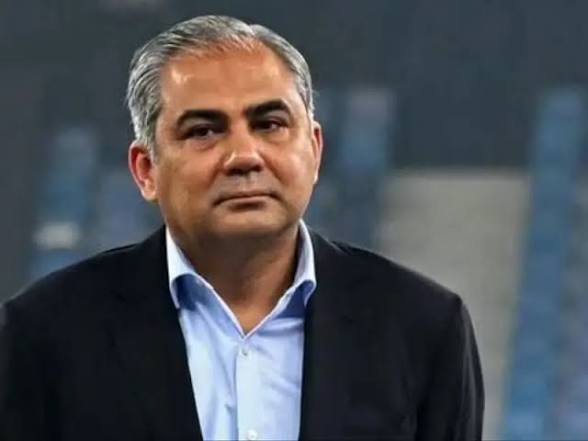
Federal Interior Minister Mohsin Naqvi arrived in Istanbul on an official visit, receiving a formal welcome at the airport before proceeding to hold high-level security talks with Turkish officials.
During his official itinerary, Interior Minister Mohsin Naqvi met with Turkish Interior Minister Mustafa Çiftçi at the Turkish Ministry of Interior. Both officials used the diplomatic engagement to reaffirm their shared commitment to deepening bilateral cooperation across multiple security and law enforcement domains.
In the course of the ministerial session, Interior Minister Mohsin Naqvi detailed the positive outcomes of Pakistan’s domestic security operations, specifically briefing his Turkish counterpart on the results of Pakistan’s rigorous crackdown against the illegal immigration mafia and human smuggling networks.
Responding to the briefing, the Turkish Interior Minister stated that the rate of illegal immigration from Pakistan to Türkiye had dropped significantly, falling from 70% down to 17%. The Turkish side commended Pakistan’s administrative and enforcement measures, acknowledging the remarkable reduction in unauthorized cross-border movement.
As a tangible outcome of the talks, the two interior ministers signed a formal bilateral agreement aimed at enhancing cooperation between Pakistan and Türkiye in the joint fight against terrorism, narcotics trafficking, and broader organized crime.
Deepening Bilateral Security and Joint Working Groups
To sustain institutional coordination following the signing of the agreement, both sides reached a consensus to establish a dedicated “Joint Working Group.” This body will function under the respective interior ministries to streamline intelligence sharing and operational synergy.
The discussions also emphasized expanding collaboration into specialized technical areas, including cyber policing, anti-narcotics enforcement through the Anti-Narcotics Force, and institutional training frameworks such as the National Police Academy.
Both governments finalized frameworks to intensify mutual support through technical assistance mechanisms, structured exchanges of subject-matter experts, and coordinated bilateral initiatives designed to address evolving transnational security threats.
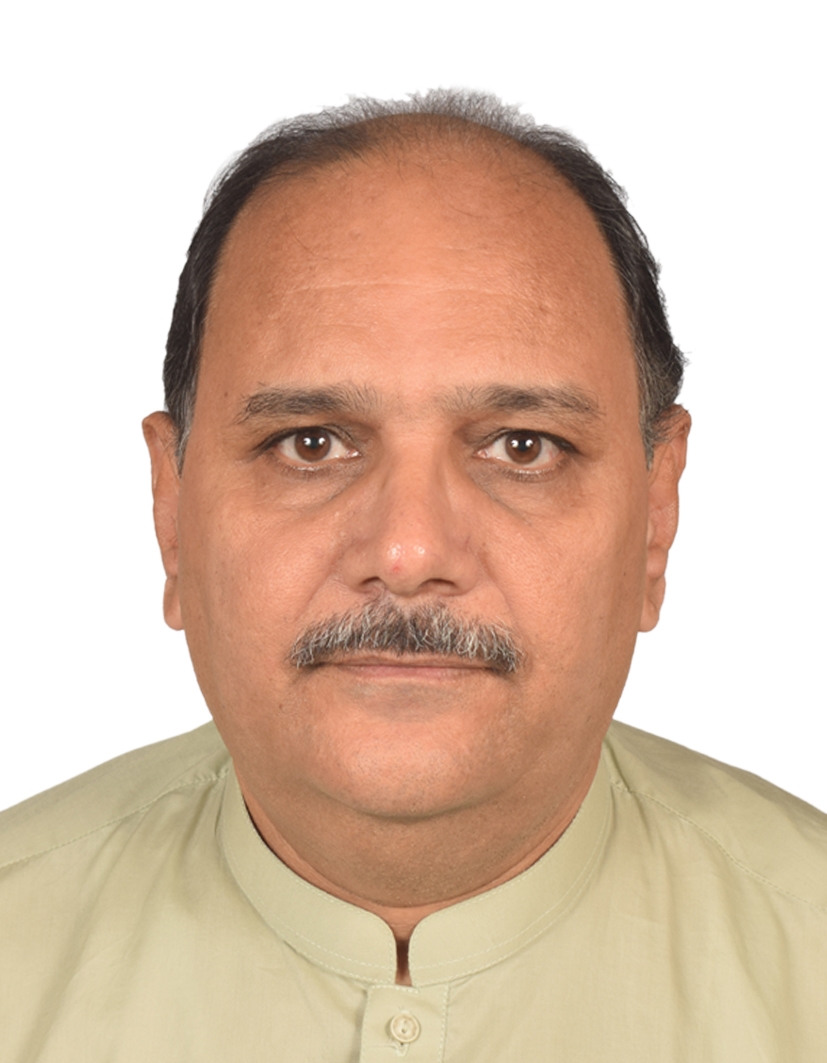
Khalid Minhas | Editor, Diplomatic Wire
A veteran journalist with three decades of comprehensive experience, Khalid Minhas has covered politics and international relations in depth throughout his career. He has also contributed to academia, teaching journalism and mass communication as a visiting faculty member at various universities in Pakistan. He holds an M.Phil in Mass Communication and is currently a Ph.D research scholar pursuing advanced studies in the field. He is also the author of the book America, Israel aur Islam, providing insightful analysis on the subject.