Deputy Prime Minister and Foreign Minister Ishaq Dar stated that Islamabad’s single demand from Kabul is to prevent Afghan territory from being used for cross-border terrorism, warning that inaction will ultimately backfire on the Afghan administration.
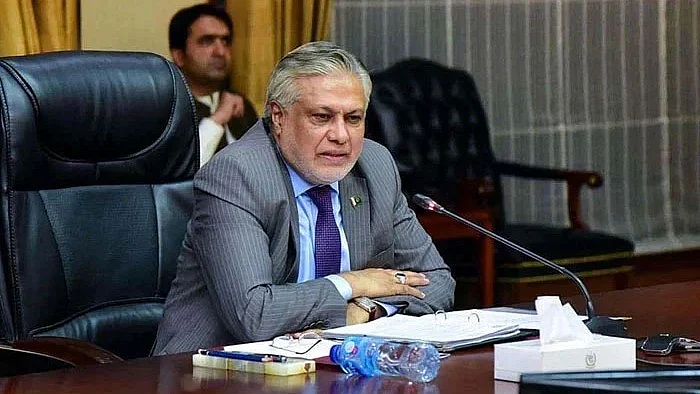
ISLAMABAD — Deputy Prime Minister and Foreign Minister Ishaq Dar stated on Monday that Pakistan maintains a single, clear demand regarding its western neighbor: that Afghan soil must not be permitted to serve as a staging ground for militant operations against Pakistani territory.
Addressing a seminar in the federal capital, the foreign minister emphasized that terrorism remains the most critical challenge confronting both regional stability and the international community. He highlighted the extensive human and economic toll endured by Pakistan during its prolonged counter-terrorism campaigns, noting that the country has suffered over 90,000 casualties and severe economic contraction over decades of conflict.
According to Mr. Dar, the government under Prime Minister Shephaz Sharif has adopted a renewed strategic approach to eradicate militant networks through coordinated civil-military efforts. He noted that law enforcement agencies and security forces operate daily against insurgent elements under the strategic direction of military leadership. However, he stressed that cross-border infiltration by outfits such as the banned Tehreek-e-Taliban Pakistan (TTP) continues to threaten domestic security and regional peace.
The foreign minister pointedly addressed the interim Afghan administration, asserting that despite multiple diplomatic engagements—including a trilateral foreign ministerial meeting held in Kabul in August 2025 involving Pakistan, China, and Afghanistan—Afghan authorities have failed to fulfill commitments to curb militant sanctuaries. He stated that attacks originating from across the border have targeted Pakistani civilians and security personnel, citing specific threats such as a foiled conspiracy involving the Jaffar Express train.
Emphasizing the urgency of regional cooperation, Mr. Dar warned that harboring militant factions poses an immediate security hazard not only to Pakistan but ultimately to the Afghan regime itself. He remarked that if Afghan authorities fail to take decisive punitive action against active terrorist networks operating within their borders, the consequences will eventually destabilize the administration in Kabul.
Furthermore, the foreign minister criticized external actors, specifically alleging that Indian authorities continue to orchestrate and sponsor subversive activities within Pakistan, referencing the documented involvement of Indian intelligence operatives such as Kulbhushan Jadhav in domestic sabotage operations.
Regional Security and Counter-Terrorism Framework
The diplomatic friction between Islamabad and Kabul underscores broader security anxieties across South Asia as regional actors grapple with persistent cross-border militancy. Pakistan’s civil and military leadership have repeatedly urged the interim Afghan government to dismantle militant infrastructure, curtail financial and logistical support for insurgent groups, and honor bilateral border management understandings.
Security analysts observe that effective border controls and intelligence-sharing mechanisms remain vital for mitigating infiltration along the porous frontier. Domestic policy initiatives, including the recently formulated anti-terror framework discussed among provincial and federal stakeholders, aim to streamline internal security responses while maintaining diplomatic pressure on neighboring states to curb transnational militant networks.
International partners and regional observers continue to monitor diplomatic exchanges between Islamabad and Kabul, weighing the implications of persistent security deadlocks on trade, refugee management, and regional stability. While diplomatic channels remain open, Pakistani officials maintain that bilateral engagement is strictly contingent upon verifiable measures by the Afghan regime to deny safe havens to hostile groups targeting Pakistani citizens and critical infrastructure.
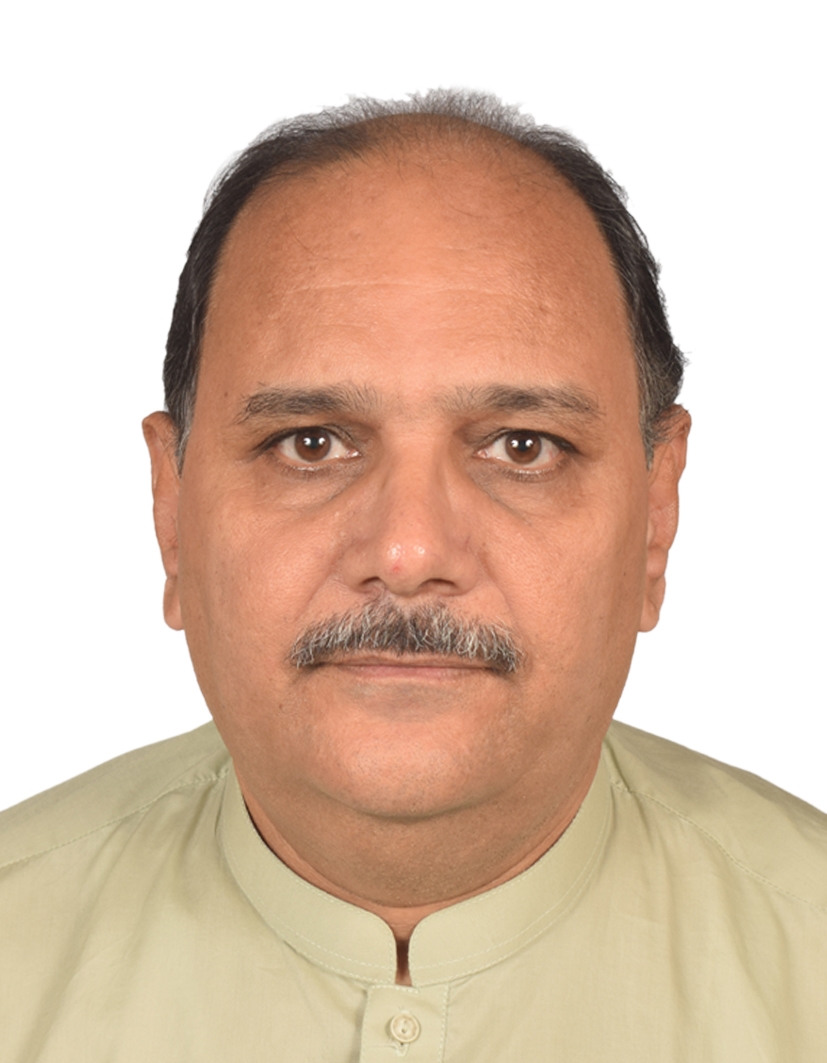
Khalid Minhas | Editor, Diplomatic Wire
A veteran journalist with three decades of comprehensive experience, Khalid Minhas has covered politics and international relations in depth throughout his career. He has also contributed to academia, teaching journalism and mass communication as a visiting faculty member at various universities in Pakistan. He holds an M.Phil in Mass Communication and is currently a Ph.D research scholar pursuing advanced studies in the field. He is also the author of the book America, Israel aur Islam, providing insightful analysis on the subject.