The family of a Pakistani third engineer killed in an attack on the oil tanker MT El Gaia off the Oman coast is urgently seeking the repatriation of his remains, as official delays persist over required DNA identification.
KARACHI — Nearly a month after a deadly maritime attack claimed the life of a Pakistani marine engineer off the coast of Oman, his grieving family is urgently appealing to government authorities to secure the repatriation of his mortal remains for a respectful burial.
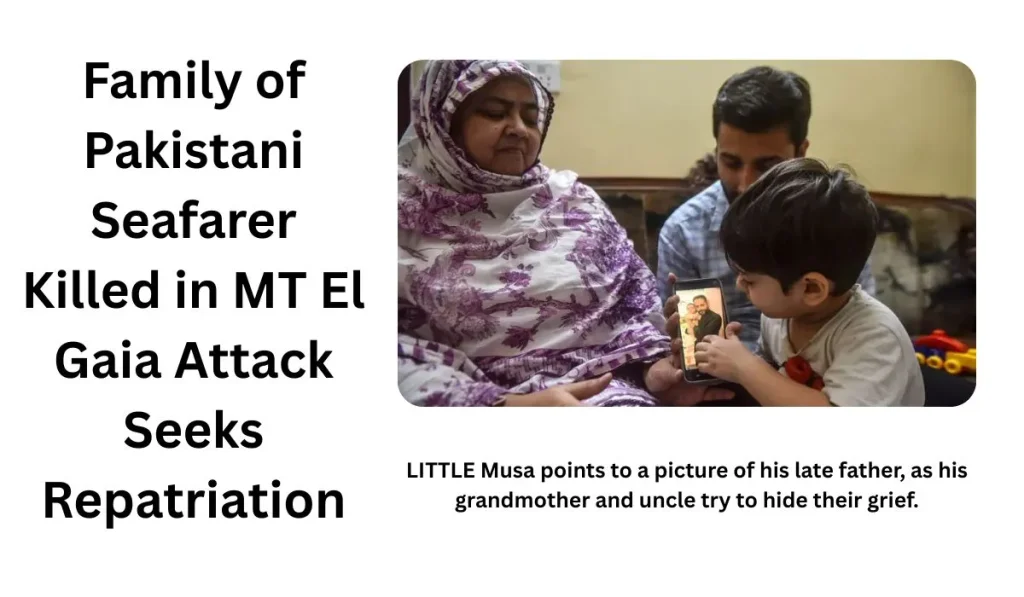
Muhammad Hammad Obaida, a 34-year-old third engineer and crew member aboard the Panama-flagged oil tanker MT El Gaia, was killed during an assault on the vessel on September 13. The incident occurred north of Oman’s Musandam peninsula. According to media reports and official accounts, the vessel later sustained significant damage, leading to an engine room fire where the bodies of two sailors—a Pakistani and an Indian national—were ultimately discovered during a subsequent headcount after the crew was reported missing.
Hammad’s relatives stated that they first learned of the tragedy through one of his colleagues on September 26. The engineer had left his home in Pakistan just weeks earlier, on September 6, and had spoken to his mother via a video call only a day before the attack took place. His family recalled that he had expressed enthusiasm about returning to work at sea. A qualified marine engineer, Hammad was a graduate of Glasgow University in the United Kingdom. He leaves behind a pregnant widow, a three-year-old son, and grieving parents and siblings.
The family reported that despite dispatching numerous formal letters and reaching out directly to the Pakistan Embassy in Oman, the Ministry of Foreign Affairs, and the Prime Minister’s Office through digital communication channels, they have yet to receive a definitive official timeline regarding the return of the body. Furthermore, relatives stated that they approached the Sindh provincial government, which acknowledged that the administrative authorities were aware of the situation.
MT El Gaia Repatriation Efforts and Diplomatic Delays
The diplomatic and consular process has faced complex hurdles regarding positive identification and international coordination. Fawwad, the victim’s younger brother, stated that while the Pakistani embassy in Oman confirmed that two bodies were currently housed in an Omani hospital mortuary awaiting DNA testing, no domestic Pakistani agency or diplomatic mission had yet collected a DNA sample from the family to expedite the identification process with Omani authorities.
Fawwad added that he has maintained direct communication with Vivek, the brother of Indian seafarer Sumit Kumar, whose body was recovered alongside Hammad’s following the incident.
When contacted by journalists for clarification, a spokesperson for Pakistan’s Ministry of Foreign Affairs confirmed that the remains of both the Pakistani and Indian seafarers remain situated in an Omani hospital mortuary pending DNA testing. The Foreign Office spokesperson explained that the bodies suffered severe disfiguration during the engine room fire, making forensic DNA verification mandatory and subsequently causing delays in clearing the remains for international repatriation.
Conflicting details regarding the sequence of events surrounding the assault have emerged from various reporting agencies. While regional accounts indicated that the oil tanker came under direct attack on September 13, subsequent wire reports from international news agencies such as Reuters noted that the disabled vessel was towed to an Omani port approximately five days after the strike. International maritime authorities and regional governments have previously traded diplomatic blame over responsibility for the security incident in the sensitive waterway near the Strait of Oman.
Meanwhile, the humanitarian impact of the delay weighs heavily on the victim’s household. Relatives emphasized that the family has fully accepted the tragedy as an inevitability, focusing solely on securing closure and allowing the young widow and toddler to bid a final farewell. Consular advocates and diaspora welfare observers continue to monitor the diplomatic channels between Islamabad and Muscat to determine when the forensic protocols will conclude and allow the final transport of the remains back to Pakistan.
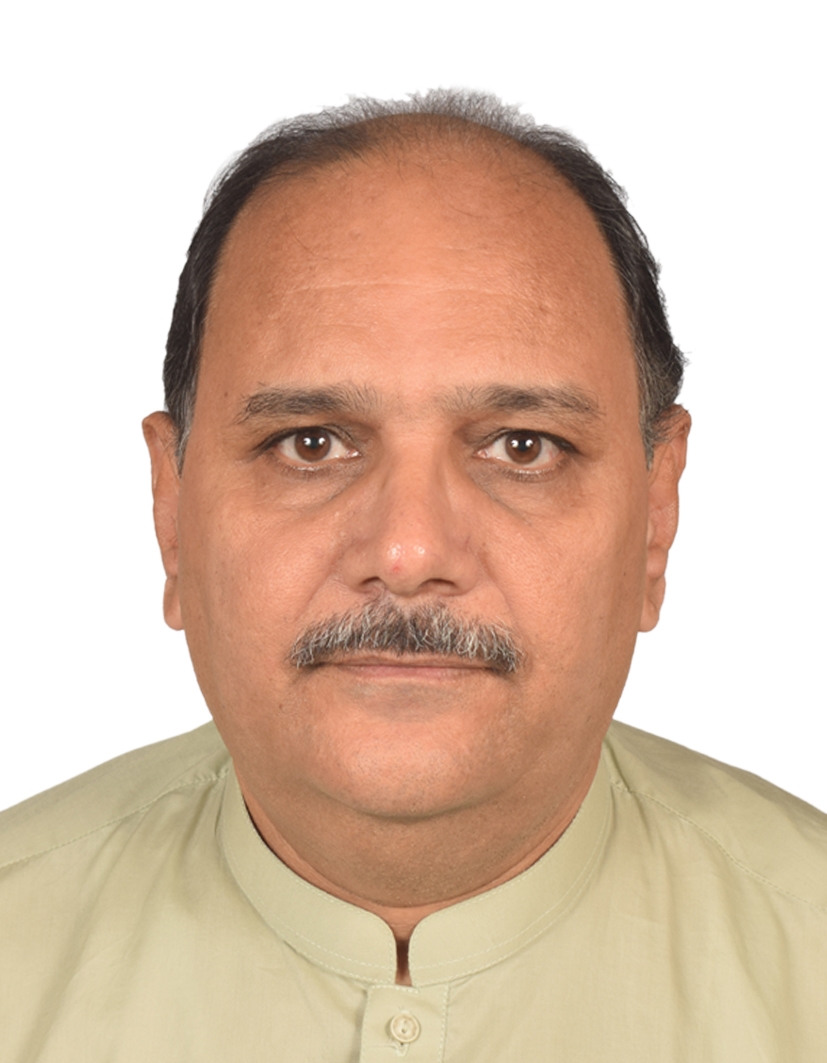
Khalid Minhas | Editor, Diplomatic Wire
A veteran journalist with three decades of comprehensive experience, Khalid Minhas has covered politics and international relations in depth throughout his career. He has also contributed to academia, teaching journalism and mass communication as a visiting faculty member at various universities in Pakistan. He holds an M.Phil in Mass Communication and is currently a Ph.D research scholar pursuing advanced studies in the field. He is also the author of the book America, Israel aur Islam, providing insightful analysis on the subject.