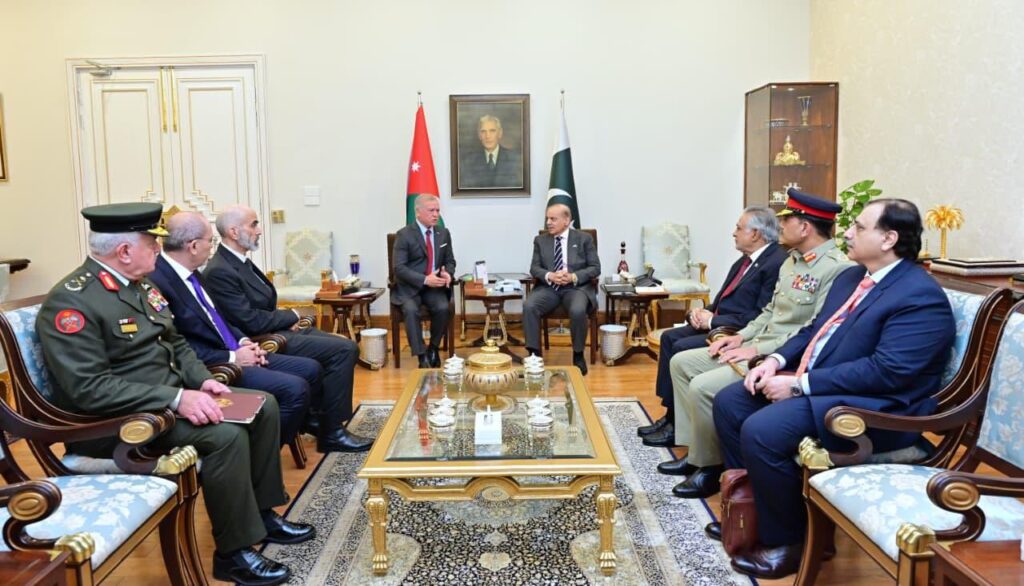
The diplomatic center of gravity in the Middle East has undergone a sudden, nocturnal shift. What was supposed to be a high-profile multilateral summit in Istanbul has been relocated to the quiet shores of Muscat, Oman, at the eleventh hour. While the world watches the high-stakes chess match between Washington and Tehran, the real story lies in the shadows: the emergence of a Turkey-Saudi-Pakistan “De-escalation Triangle” that is desperately trying to hold the door open for peace before it is slammed shut by a “bad things” scenario.
The Oman Pivot: Tehran’s Tactical Retreat
By moving the talks from Istanbul to Muscat, Tehran is signaling a desire to return to the “backchannel” style of diplomacy that birthed the original nuclear agreements. However, this move is also a strategic snub. Iran is actively resisting the “multilateral” format that would have forced them to sit across from their regional rivals.
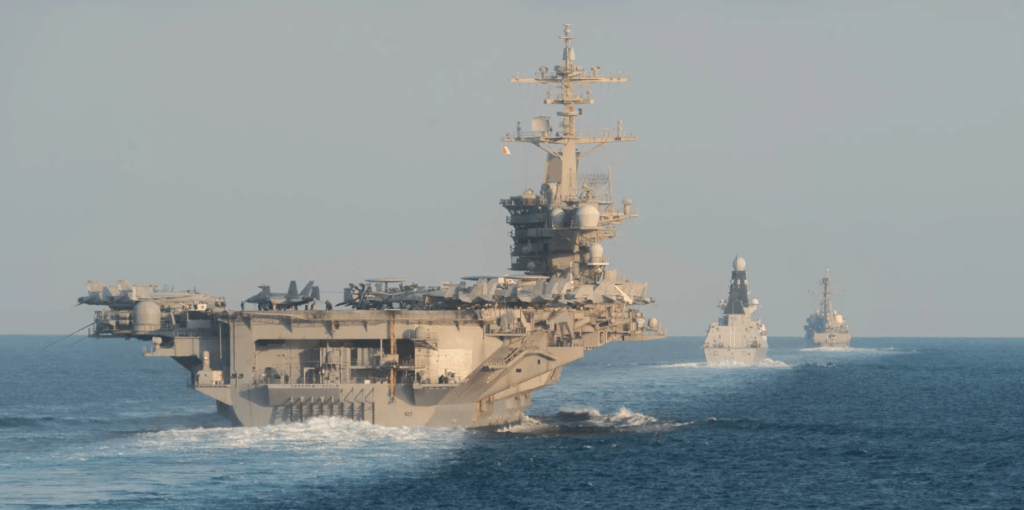
For the Trump administration, the inclusion of Jared Kushner alongside Special Envoy Steve Witkoff signals that Washington is looking for a “grand bargain” or nothing at all. But while the US brings the naval might of the USS Abraham Lincoln, it is the middle powers of the region that are providing the diplomatic oxygen.
The “Trio” of Stability: Ankara, Riyadh, and Islamabad
The most significant development of 2026 is not the nuclear file itself, but the unprecedented strategic alignment between Turkey, Saudi Arabia, and Pakistan. This “Trio” has transformed from a loose group of neighbors into a unified de-escalation front, driven by the September 2025 Saudi-Pakistan Defense Pact and Turkey’s recent “hedging” strategy.
1. Turkey: The Humanitarian Firewall
For Ankara, the stakes are existential. President Erdogan knows that any strike on Iranian soil would trigger a refugee crisis that could dwarf the Syrian exodus.
- The Role: Turkey has spent weeks leveraging its NATO status to moderate Washington’s “Maximum Pressure” rhetoric while simultaneously maintaining an open line to Tehran. By positioning itself as the “Indispensable Anchor,” Turkey ensures that any deal includes provisions for border security and regional economic continuity.
2. Saudi Arabia: The Financial Power Broker
Riyadh has undergone a radical shift. No longer seeking an American war to weaken its rival, Saudi Arabia is now focused on Vision 2030. A regional war would be an economic death knell for the Kingdom’s modernization.
- The Role: Under the guidance of MBS, the Kingdom is using “financial diplomacy.” Riyadh has reportedly messaged Tehran that if a nuclear “freeze” is achieved, Saudi investment—rather than just the lifting of Western sanctions—could be on the table.
3. Pakistan: The “Extended Deterrence” Bridge
Pakistan’s role is the most unique. As a nuclear-armed nation with deep military ties to both the Gulf and the West, it acts as the ultimate “security guarantor” for the region.
- The Role: Islamabad is the primary mediator in the Saudi-Pakistan-Turkey trilateral agreement, often referred to as the “Islamic NATO” framework. Pakistan’s involvement ensures that Iran understands the cost of regional escalation while giving the US a credible Muslim-majority partner to help verify security commitments.
Analysis: The Expected Outcome
Despite the friction over the venue, the momentum for a “Freeze-for-Freeze” deal is growing.
| Potential Outcome | Impact on Regional Stability |
| “Grand Bargain” | Unlikely. Too many “red lines” regarding missiles and proxies. |
| The “Muscat Accord” | High. A temporary freeze on enrichment in exchange for targeted sanctions relief. |
| Diplomatic Collapse | Severe. President Trump’s warning of “bad things” suggests a shift to kinetic military options. |
Final Word: A Region Reclaiming Its Voice
For decades, Middle Eastern security was dictated by the superpowers. In 2026, we are seeing the rise of “Regional Agency.” Whether the talks succeed on Friday or not, the coalition of Turkey, Saudi Arabia, and Pakistan has sent a clear message to both the US and Iran: the region will no longer be a passive spectator to its own destruction.
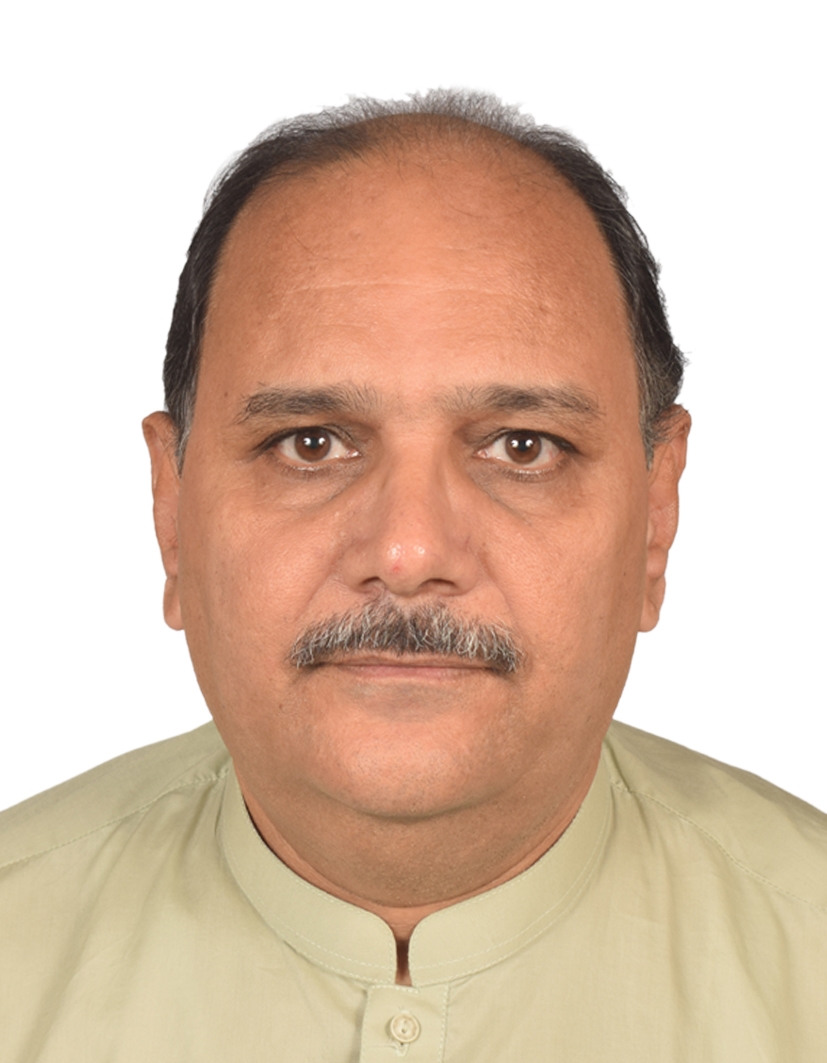
Khalid Minhas | Editor, Diplomatic Wire
A veteran journalist with three decades of comprehensive experience, Khalid Minhas has covered politics and international relations in depth throughout his career. He has also contributed to academia, teaching journalism and mass communication as a visiting faculty member at various universities in Pakistan. He holds an M.Phil in Mass Communication and is currently a Ph.D research scholar pursuing advanced studies in the field. He is also the author of the book America, Israel aur Islam, providing insightful analysis on the subject.