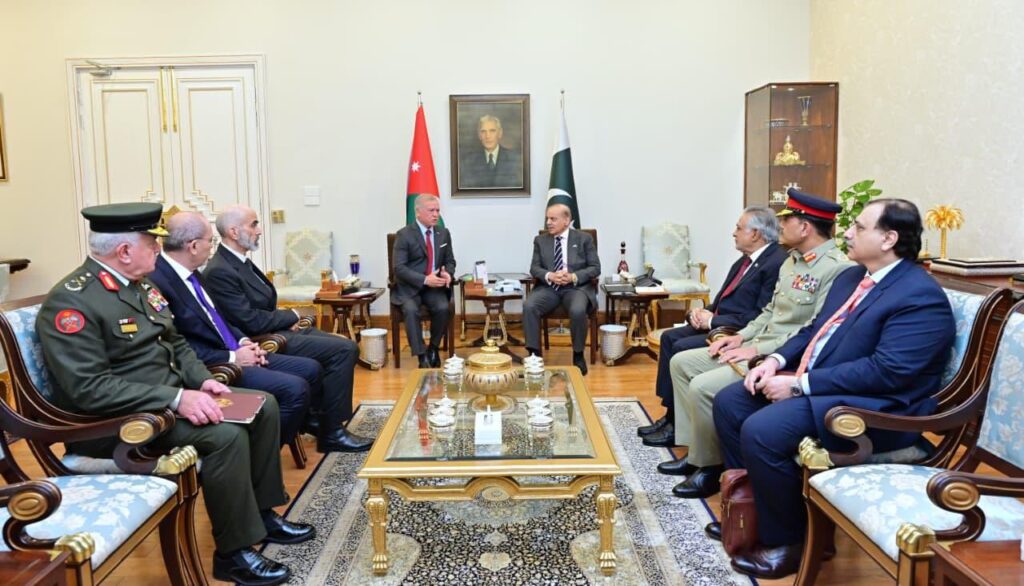
ISLAMABAD — United States Vice President JD Vance departed Pakistan on Sunday after confirming that marathon trilateral negotiations with Iranian officials failed to produce a breakthrough. The talks, mediated by Islamabad, concluded after 21 hours of intensive deliberation without an agreement on Iran’s nuclear trajectory or a permanent end to the regional conflict.
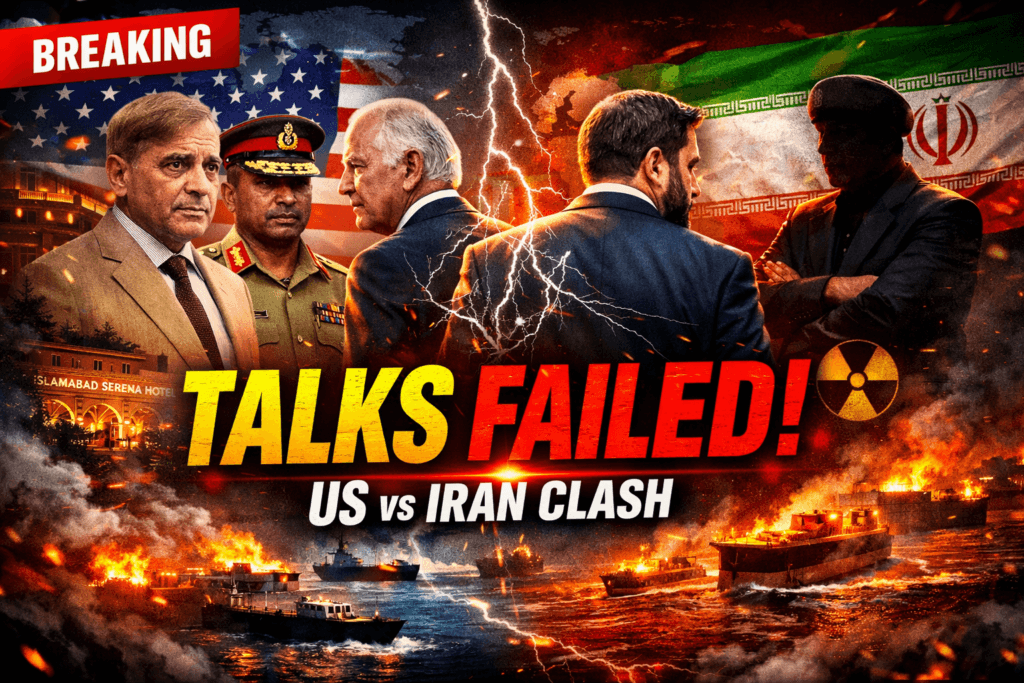
Geopolitical Significance: The Islamabad Impasse
The failure of the Islamabad nuclear talks marks a critical juncture in the 2026 Middle East crisis. While the two-week ceasefire remains technically in effect until April 22, the inability of Washington and Tehran to bridge the gap on “long-term nuclear will” raises the immediate risk of a return to active hostilities. Furthermore, Pakistan’s role as a mediator underscores its evolving strategic importance in the CPEC-integrated Eurasian corridor, even as the diplomatic outcome remains stalled.
Final U.S. Offer Rejected by Tehran
Addressing a press conference at the negotiation site, Vice President Vance stated that while “substantive discussions” occurred, the Iranian delegation chose not to accept U.S. terms. Vance emphasized that the core objective of the Trump administration remains a verifiable, “affirmative commitment” that Tehran will not seek nuclear weapons or the infrastructure to achieve them.
“We have made very clear what our red lines are,” Vance told reporters. “The simple fact is that we need to see a fundamental commitment of will… not just now, but for the long term. We haven’t seen that yet.”
Despite the collapse, Vance praised the mediation efforts of Prime Minister Shehbaz Sharif and Field Marshal Asim Munir. He clarified that any shortcomings in the dialogue were not a reflection of the Pakistani hosts, whom he described as “incredible.”
Iranian Perspective: Sovereignty and Sanctions
Conversely, Iranian Ministry of Foreign Affairs spokesperson Esmaeil Baqaei characterized the sessions as exhaustive, involving complex exchanges on the Strait of Hormuz, war reparations, and the lifting of sanctions. Iranian officials maintained that any success depends on the U.S. “refraining from excessive demands” and recognizing Iran’s “legitimate rights.”
According to official cables, the Iranian delegation—led by Parliament Speaker Mohammad Bagher Ghalibaf—engaged in expert-level committees covering economic, military, and legal dimensions. President Masoud Pezeshkian later reaffirmed that his team remains “fully committed” to safeguarding national interests regardless of the diplomatic outcome.
Technical Details of the Trilateral Process
The negotiations involved three primary sessions where expert teams exchanged written texts. The U.S. delegation, which included Jared Kushner and Middle East envoy Steve Witkoff, reportedly maintained constant communication with President Trump throughout the process. Vance concluded his visit by leaving behind a “method of understanding,” which he described as the United States’ “final and best offer.”
Strategic Outlook
- Resumption of Hostilities: Without a formal extension of the ceasefire or an acceptance of the U.S. “final offer,” there is a high probability that the US-Israeli kinetic operations against Iranian infrastructure will resume following the April 22 deadline.
- Regional Economic Volatility: The failure to secure the Strait of Hormuz during these talks will likely keep global energy prices volatile, impacting the stability of trade routes critical to the Special Investment Facilitation Council (SIFC) initiatives in South Asia.
- Diplomatic Realignment: Pakistan’s successful convening of these rival powers, despite the lack of a deal, solidifies Islamabad’s position as a neutral diplomatic hub, potentially leading toissued further mediation roles involving China and the GCC.
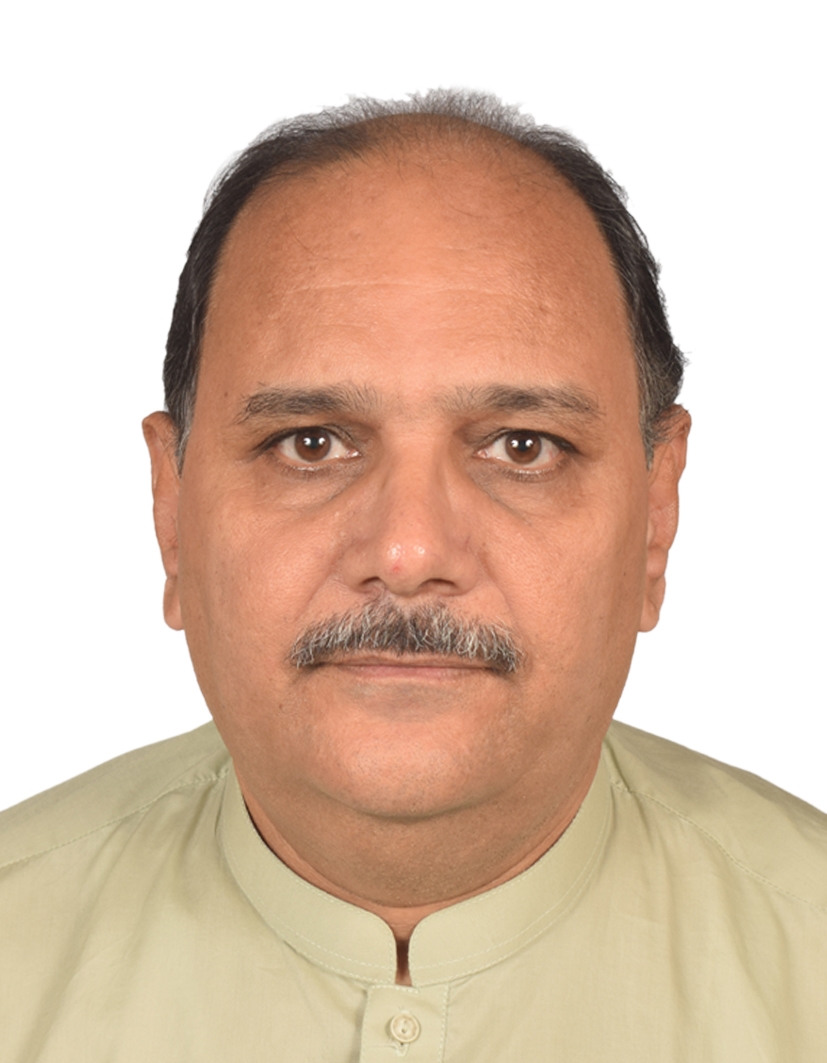
Khalid Minhas | Editor, Diplomatic Wire
A veteran journalist with three decades of comprehensive experience, Khalid Minhas has covered politics and international relations in depth throughout his career. He has also contributed to academia, teaching journalism and mass communication as a visiting faculty member at various universities in Pakistan. He holds an M.Phil in Mass Communication and is currently a Ph.D research scholar pursuing advanced studies in the field. He is also the author of the book America, Israel aur Islam, providing insightful analysis on the subject.