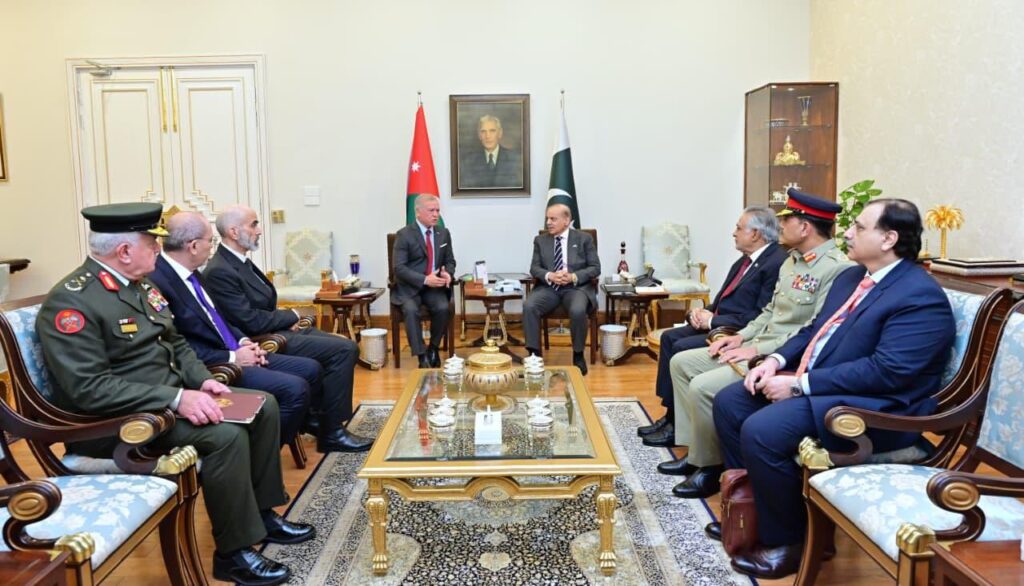
ISLAMABAD — Pakistan has formally placed a multi-billion dollar defense agreement with the Sudanese Armed Forces (SAF) on indefinite hold following a high-level intervention by the Kingdom of Saudi Arabia. According to senior security sources and diplomatic cables reviewed on April 20, 2026, the Riyadh administration has requested the immediate termination of the $1.5 billion transaction. Furthermore, Saudi Arabia has officially withdrawn its commitment to finance the purchase, effectively neutralizing one of Pakistan’s largest projected defense exports of the decade.
Geopolitical Nut Graf
The suspension of this deal underscores the fragile equilibrium Pakistan must maintain between its burgeoning role as a global defense manufacturer and its strategic reliance on Gulf financial patrons. As the Sudanese civil war enters a third year of humanitarian catastrophe, the Saudi reversal signals a significant recalibration of Red Sea diplomacy. Riyadh appears to be moving away from active military sponsorship toward a “mediation-first” posture, likely influenced by Western diplomatic pressure to prevent the regionalization of the conflict through proxy hardware.
The Rise and Fall of the Sudan-Pakistan Defense Pipeline
Origins of the $1.5 Billion Framework
In early January 2026, defense circles in Islamabad and Khartoum confirmed the finalization of an expansive military hardware package. The deal was designed to provide the SAF with a decisive technological edge over the Rapid Support Forces (RSF). The proposed inventory included:
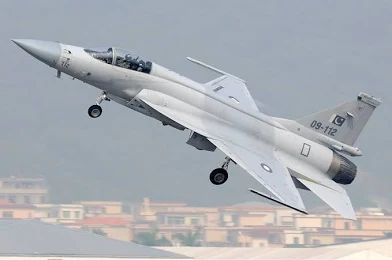
- Aviation Assets: Ten (10) Karakoram-8 (K-8) light attack aircraft and potential units of the JF-17 Thunder Block III.
- Unmanned Aerial Systems (UAS): Over 200 surveillance and tactical loitering munitions (kamikaze drones).
- Ground Support: Advanced air defense batteries and Super Mushshak training aircraft.
Initially, Saudi Arabia acted as the primary broker and financier. This alignment was viewed as a strategic counter-move to neutralize the perceived influence of rival regional actors supporting the RSF. For Pakistan, the agreement was a flagship success for its Special Investment Facilitation Council (SIFC) initiatives, aimed at leveraging defense production for foreign exchange.
The March Reversal
The pivot occurred following a series of quiet consultations in Riyadh during March 2026. Official sources state that Sudanese military leadership met with Saudi authorities, expecting to finalize disbursement schedules. Instead, Saudi officials signaled a “reassessment” of the regional security landscape.
Consequently, reports from the UN Press Center and intelligence briefings indicate that Western powers—specifically members of the Quad (US, UK, Saudi Arabia, UAE)—advised the Kingdom to avoid fueling a protracted proxy war. By April 20, the Saudi decision to decline financing forced the Pakistani Ministry of Defense to halt production and delivery schedules.
Strategic Implications for Pakistan’s Defense Industry
Economic Aftershocks
The loss of the Sudanese contract is a significant blow to Pakistan’s target of reaching $5 billion in annual defense exports by 2027. The Karachi-based defense industry had already begun ramping up production for the K-8 airframes. Furthermore, the cancellation raises questions regarding other pending contracts in the region, including a rumored $4 billion defense proposal with actors in Libya.
Dependency on “Patron Financing”
The Sudanese deal highlights a structural weakness in Pakistan’s export model: the reliance on third-party financing. Because Khartoum lacks the liquidity to purchase high-end Pakistani hardware directly, the deal was entirely dependent on Saudi credit. Consequently, when Riyadh’s strategic interests shifted, Islamabad lost the sovereign agency to fulfill the contract without risking its own economic stability.
Sudan’s Military Balance and Humanitarian Concerns
The withdrawal of Pakistani hardware leaves the SAF in a precarious position. The Chatham House Africa Programme has noted that the SAF relied heavily on the arrival of Pakistani drones to regain control over urban corridors currently held by the RSF. Without these systems, the conflict is expected to remain in a devastating stalemate.
Furthermore, humanitarian organizations have expressed a grim “relief” at the deal’s suspension. International watchdogs had previously warned that the introduction of advanced loitering munitions into the Sudanese theater would likely result in increased civilian casualties in densely populated areas like Omdurman and Darfur.
Regional Influence and the CPEC Factor
In the broader context of 2026, this event reflects the evolving nature of the China-Pakistan Economic Corridor (CPEC) and its security offshoots. While China provides the underlying technology for much of Pakistan’s hardware, the diplomatic “green light” for its deployment remains firmly in the hands of Riyadh and Washington. This incident proves that even as Pakistan integrates deeper into the Chinese technological sphere, its operational and commercial flexibility remains bound to traditional Gulf alliances.
Strategic Outlook
- Diversification of Clients: Pakistan is expected to pivot its marketing efforts for the JF-17 and K-8 toward Southeast Asian and Central Asian markets (such as Azerbaijan and Malaysia), where buyers possess the sovereign wealth to finance acquisitions without requiring Gulf intermediaries.
- Saudi Mediation Dominance: By halting the arms flow, Saudi Arabia consolidates its position as the sole credible mediator in the Jeddah talks. This move effectively pressures the SAF to return to the negotiating table by limiting their path to a purely military victory.
- Risk to Private Investment: The abrupt cancellation of a $1.5 billion contract may deter private sector involvement in Pakistan’s defense industrial parks. Investors may now demand “geopolitical risk insurance” or government-backed guarantees before committing capital to long-cycle production lines.

Khalid Minhas | Editor, Diplomatic Wire
A veteran journalist with three decades of comprehensive experience, Khalid Minhas has covered politics and international relations in depth throughout his career. He has also contributed to academia, teaching journalism and mass communication as a visiting faculty member at various universities in Pakistan. He holds an M.Phil in Mass Communication and is currently a Ph.D research scholar pursuing advanced studies in the field. He is also the author of the book America, Israel aur Islam, providing insightful analysis on the subject.