US-Iran conflict: U.S. President Donald Trump has dismissed a fresh peace proposal from Tehran delivered via Pakistani mediators, citing “unacceptable” demands and internal discord within the Iranian leadership. While a fragile ceasefire holds, the impasse deepens the uncertainty over a permanent resolution to the conflict.
WASHINGTON — The fragile diplomatic bridge between Washington and Tehran, painstakingly constructed by Pakistani intermediaries, appears to be trembling. On Friday, U.S. President Donald Trump dealt a sharp blow to hopes of an immediate breakthrough, telling reporters at the White House that he is “not satisfied” with a new peace proposal submitted by the Islamic Republic.
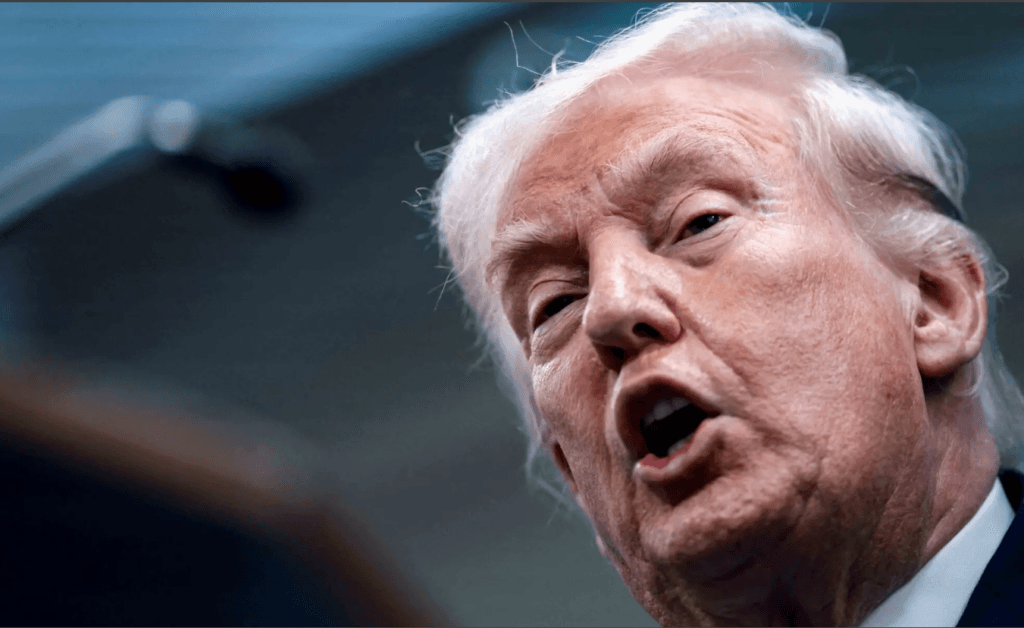
The document, which was formally handed to Pakistani officials in Islamabad on Thursday evening, was intended to break a weeks-long stalemate. However, the American president’s reaction suggests that the distance between the two adversaries remains vast. “They’re asking for things that I can’t agree,” Trump remarked, though he declined to elaborate on the specific clauses that triggered his disapproval.
A Leadership in “Discord”
In a characteristic assessment of his adversaries, Trump portrayed the Iranian government as a fractured entity struggling with internal power struggles. He described the leadership in Tehran as “disjointed” and plagued by “tremendous discord,” questioning whether the regime is capable of reaching a unified decision on a lasting settlement.
“I’m not sure if they ever get there,” the President added, casting doubt on the viability of the current negotiating track even as he acknowledged that Iran had “made strides” in previous discussions.
This rhetoric underscores a core tension in the current US-Iran conflict: the American administration’s belief that it is negotiating with a divided house. While the President insisted he would “prefer not” to resume military operations, he was blunt about the alternatives should diplomacy fail. “Do we want to go and just blast the hell out of them and finish them forever — or do we want to try and make a deal? I mean, those are the options,” he told the press corps.
The Role of the Islamabad Facilitator
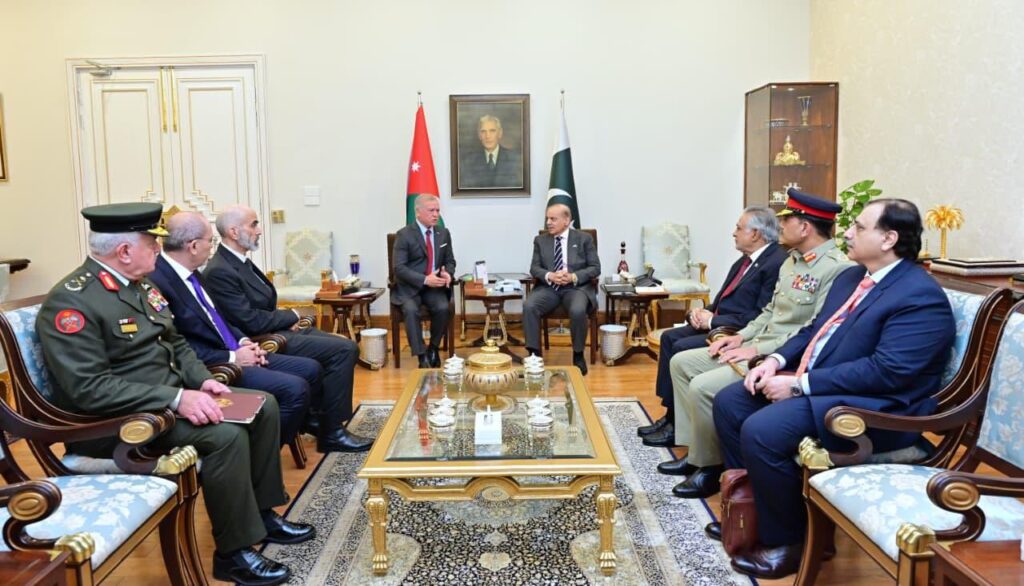
Central to this high-stakes game of telephone is Pakistan. The Foreign Office in Islamabad confirmed on Friday that it remains committed to its role as a facilitator. Foreign Office spokesperson Tahir Andrabi noted that despite the “apparent impasse,” diplomacy is ongoing.
The relationship between Washington and Islamabad appears to be a rare point of stability in the crisis. Trump took a moment on Friday to express “great respect” for Pakistan’s leadership, specifically naming Prime Minister Shehbaz Sharif and Chief of Defence Forces Field Marshal Asim Munir. This sentiment reflects Pakistan’s unique position as one of the few nations capable of hosting high-level contacts between the two sides, as it did last month in a historic meeting that marked the first direct contact in decades.
A Legal and Military Quiet
Despite the heated rhetoric, the guns have remained largely silent. In a formal letter to congressional leaders, Trump declared that the hostilities which ignited on February 28, 2026, have “terminated” for the time being. He used the current ceasefire as a legal shield against critics who argue he is bypassing the War Powers Act.
By claiming that active hostilities have ended, the President argued that the 60-day deadline for congressional approval is no longer a factor. He went as far as to label the requirement for legislative permission “totally unconstitutional,” framing the current state of affairs as a “big victory” comparable to his administration’s perceived successes in Venezuela.
However, the “termination” of hostilities is a technicality that offers little comfort to regional analysts. The truce, initially brokered by Pakistan earlier this month, has been extended several times, but it remains “fragile,” according to reports from Reuters and Al Jazeera.
Economic and Global Stakes
The standoff continues to loom large over global energy markets. Trump reiterated his prediction on Friday that a final end to the war would result in a significant drop in oil and gas prices. For the global community, the stakes of the US-Iran conflict extend far beyond the borders of the Middle East, affecting supply chains and inflation rates across the West.
As of late Friday, Tehran had not issued a formal rebuttal to Trump’s dismissal of their proposal. For now, the world watches Islamabad. With the second round of direct talks stalled, the process has reverted to a more cautious “shuttle diplomacy,” with Pakistani officials carrying messages back and forth in hopes of finding a middle ground that has, so far, remained elusive.
FAQ:
Q1: What was in the new Iran peace proposal? While the full text has not been made public, President Trump indicated that the proposal included demands regarding sanctions relief or security guarantees that the U.S. currently deems unacceptable.
Q2: Why is Pakistan involved in the US-Iran conflict negotiations? Pakistan maintains diplomatic ties with both Washington and Tehran. Due to its strategic location and historical relationships, it has stepped in as a mediator and facilitator to prevent a full-scale regional war.
Q3: Is the U.S. currently at war with Iran? According to a letter sent by President Trump to Congress, formal hostilities “terminated” following a ceasefire that began in early 2026. However, the President has not ruled out future military action if a deal is not reached.
Q4: What is the War Powers Act, and why did Trump mention it? The War Powers Act requires a President to get congressional approval within 60 days of initiating military action. Trump argues that since a ceasefire is in place, he does not need this approval, further claiming the act’s limitations are unconstitutional.
Q5: How has the conflict affected oil prices? The conflict has caused significant volatility in energy markets. President Trump has stated that a successful peace deal would lead to a sharp decline in global gas and oil prices.

The Diplomatic Wire Desk is the institutional news and analysis body of Diplomatic Wire, overseen by Founder and Editor Khalid Minhas. The Desk covers international relations, foreign policy, and critical diplomatic initiatives with objective, timely reporting for a professional readership.