Iran-Pakistan border crossings temporarily suspended due to technical and security measures, with officials holding talks to restore operations.
TEHRAN / ISLAMABAD — Movement across select land borders and commercial exchanges between Iran and Pakistan have been temporarily suspended, prompting active diplomatic and administrative consultations between Tehran and Islamabad.
The temporary restriction affects vital transit routes connecting the two neighbors, impacting cross-border trade and transit operations. According to regional officials, the suspension was enacted to implement critical technical adjustments, enhance border management protocols, and reinforce counterterrorism measures across the frontier.
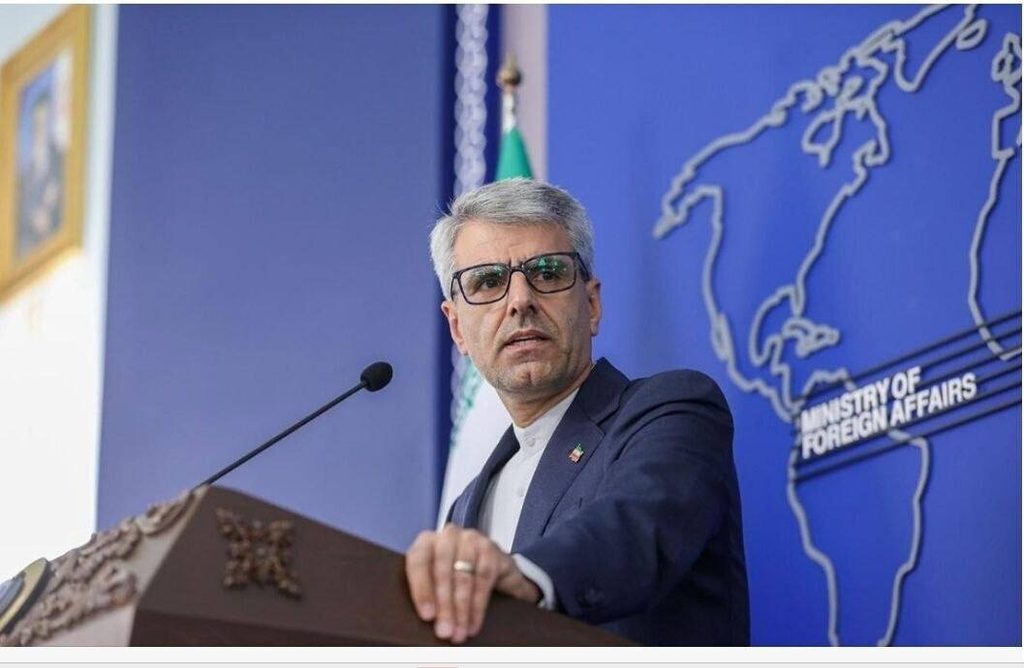
Addressing inquiries regarding the border situation, Iranian Foreign Ministry Spokesperson Esmaeil Baghaei confirmed that transit and movement routes have faced short-term disruption.
“Due to certain technical issues and the need to take precautionary measures, border crossings and exchanges have been temporarily suspended,” Baghaei said in a statement. “However, the relevant authorities of the two countries are in close contact and are holding consultations to resolve the issue as soon as possible and restore normal operations at the border crossings.”Local authorities and trade associations on both sides of the frontier reported that commercial traffic, including container movement at specific crossing points such as the Rimdan-Gabd transit terminal, experienced temporary halts while passenger movement protocols underwent review. Concurrently, Pakistani district administration representatives in Balochistan noted that temporary trade restrictions serve as an essential security precaution to fortify regional stability and streamline border enforcement systems.
Regional Implications and Ongoing Diplomatic Consultations
The Iran-Pakistan border spans over nine hundred kilometers through rugged terrain, serving as a vital artery for regional commerce, bilateral trade, and localized cross-border communities. Both governments have historically prioritized maintaining open channels to manage security challenges and economic exchanges in the volatile border region.
Economic stakeholders and transport committees have closely monitored the situation, noting that parallel banking and financial compliance hurdles have previously influenced trade flows between the two countries. However, diplomatic missions and border security agencies have emphasized that the latest closures are strictly provisional.
Bilateral coordination mechanisms have swung into high gear, with diplomatic and military intermediaries exchanging updates to address the underlying technical and security bottlenecks. Officials from the Iranian Foreign Ministry and Pakistan’s diplomatic corps are maintaining continuous dialogue to evaluate border security requirements while minimizing prolonged disruptions for merchants, transporters, and travelers reliant on the corridor.
As consultations continue, relevant authorities have indicated that normal commercial and transit operations will resume progressively once security evaluations are concluded and necessary technical safeguards are fully implemented at the crossings.
Read also: Iran Ambassador Highlights Pakistan Iran Relations at ISSI Forum

The Diplomatic Wire Desk is the institutional news and analysis body of Diplomatic Wire, overseen by Founder and Editor Khalid Minhas. The Desk covers international relations, foreign policy, and critical diplomatic initiatives with objective, timely reporting for a professional readership.