Opinion | By Khalid Minhas

The arrival of Russian Interior Minister Vladimir Kolokoltsev in Islamabad for a four-day official visit marks an important moment in Pakistan-Russia relations. As the first-ever visit by a Russian interior minister to Pakistan, the engagement offers an opportunity to move beyond traditional diplomatic exchanges and build a more practical partnership on counterterrorism, intelligence cooperation, border security, and regional stability.
At a time when Pakistan faces persistent security threats, particularly in Khyber Pakhtunkhwa and Balochistan, Islamabad needs stronger regional partnerships. Russia, with its own security concerns and diplomatic engagement across Central and South Asia, could become a significant partner in addressing the challenges that transcend national borders.
However, the real importance of this visit will not be determined by official statements, ceremonial engagements or diplomatic photographs. Its success will depend on whether the two countries can translate their discussions into measurable cooperation and a sustainable regional security strategy.
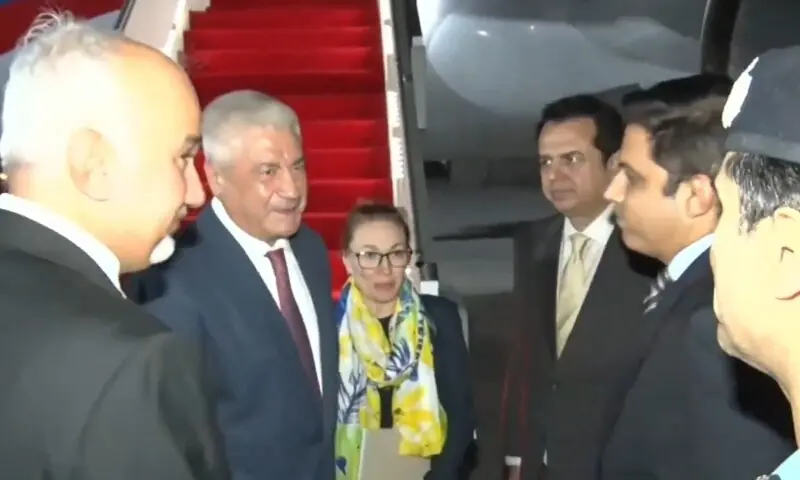
Read More: Russian Interior Minister Vladimir Kolokoltsev
Counterterrorism: A Shared Regional Challenge
Pakistan’s security situation has become increasingly complex, with attacks attributed to the Tehreek-e-Taliban Pakistan (TTP) and other militant groups posing serious challenges to public safety, economic activity, and state authority.
Islamabad has repeatedly expressed concern that militant organizations use Afghan territory to plan and facilitate attacks inside Pakistan. These allegations have become a major source of tension between Pakistan and the Taliban authorities in Kabul. Afghanistan’s security environment, therefore, cannot be separated from Pakistan’s internal security calculations.
Russia also has substantial interests in preventing militant networks from expanding their reach across the region. Moscow has historically been concerned about extremist movements, the potential spillover of instability from Afghanistan into Central Asia, and the trafficking of narcotics and weapons.
These overlapping concerns provide a foundation for cooperation between Islamabad and Moscow. Nevertheless, shared security interests should not automatically be mistaken for identical strategic priorities. Pakistan and Russia have different historical experiences, regional relationships and assessments of Afghanistan. Effective cooperation will require acknowledging these differences while identifying areas where their interests converge.
Intelligence sharing, professional exchanges between law enforcement agencies, coordinated investigations into transnational criminal networks and improved border-security mechanisms could provide practical starting points.
Afghanistan Must Remain Central to the Dialogue
The future of Afghanistan remains one of the most consequential issues for regional security. Since the Taliban returned to power in August 2021, neighboring countries have faced the difficult task of engaging with the authorities in Kabul while addressing concerns over terrorism, governance and regional stability.
Pakistan wants the Taliban administration to take effective action against militant groups operating from Afghan territory. Russia, meanwhile, has pursued its own engagement with the Taliban authorities, reflecting Moscow’s security calculations and broader regional interests.
This creates an opportunity for diplomatic coordination.
Russia’s communication channels with Kabul could complement Pakistan’s direct concerns about cross-border militancy. However, Moscow’s influence should not be exaggerated, nor should Pakistan assume that Russia can resolve its security challenges on Islamabad’s behalf. The Taliban authorities themselves must demonstrate a willingness and capacity to prevent their territory from being used against other countries.
The objective should be a coordinated regional approach that combines diplomatic engagement, verifiable counterterrorism commitments and practical mechanisms for addressing security incidents.
Confrontation alone is unlikely to produce lasting stability. Equally, diplomatic engagement without accountability risks becoming an exercise in managing problems rather than resolving them.
From Security Cooperation to Strategic Partnership
Pakistan-Russia relations have gradually expanded beyond the constraints of their Cold War-era differences. Both countries have explored opportunities for engagement in regional diplomacy, energy, trade and connectivity, although significant strategic and economic challenges remain.
Cooperation between their interior ministries could strengthen this broader relationship by building institutional trust. Law enforcement agencies can establish professional links even when governments have different positions on wider geopolitical questions.
The potential areas of cooperation extend beyond counterterrorism. Drug trafficking, money laundering, human smuggling, cybercrime and organised criminal networks increasingly operate across national boundaries. No country can effectively confront these threats through isolated action.
A structured Pakistan-Russia mechanism for law enforcement cooperation could help establish regular consultations, secure information-sharing procedures, training programmes and joint assessments of emerging threats, subject to both countries’ legal frameworks and safeguards.
Such arrangements would be more valuable than broad declarations of friendship because they could produce tangible outcomes.
At the same time, security cooperation should not be treated as a substitute for economic diplomacy. Lasting stability also requires investment, employment, functioning institutions and improved regional connectivity. Pakistan and Russia should therefore use the momentum generated by this visit to explore complementary opportunities in trade, energy and transport.
The Importance of Regional Diplomacy
The security challenges surrounding Afghanistan cannot be resolved by Pakistan and Russia alone. China, Iran, the Central Asian republics and other relevant regional actors also have important interests in preventing militant violence and instability from spreading across borders.
Regional diplomatic platforms, including the Moscow Format on Afghanistan, can help facilitate dialogue and identify common concerns. Yet multilateral meetings are effective only when discussions lead to practical follow-up.
Regional governments do not necessarily share the same assessment of Afghanistan’s political trajectory or the same priorities in dealing with the Taliban administration. Some may place greater emphasis on immediate security threats, while others focus on diplomatic engagement, trade or preventing wider instability.
These differences make sustained communication essential.
Pakistan should use its engagement with Moscow to strengthen regional consultations without becoming dependent on any single external power. A balanced foreign policy requires Islamabad to maintain constructive relations with Russia while preserving its diplomatic engagement with China, the United States, Gulf countries, Iran and Central Asian states.
The objective should be strategic flexibility: cooperating with different partners where interests overlap, without allowing bilateral relationships to become instruments of unnecessary regional rivalry.
Sovereignty, Accountability and Public Confidence
Security cooperation must also respect national sovereignty, domestic law and the rights of citizens. Intelligence sharing and counterterrorism coordination can strengthen public safety, but their effectiveness depends on professional standards, clear legal procedures and accountability.
Pakistan’s security challenges cannot be addressed exclusively through enforcement operations. Sustainable progress also requires effective policing, functioning courts, intelligence-led investigations and measures that prevent vulnerable communities from being drawn into militant networks.
Similarly, regional stability requires credible communication between governments. Allegations concerning cross-border militancy should be addressed through evidence-based investigations, diplomatic engagement and verifiable commitments wherever possible.
A durable security framework must reduce the risk of escalation rather than create new cycles of mistrust.
Recognizing the Russian Ambassador’s Role in Strengthening Bilateral Ties
It is also important to acknowledge the diplomatic efforts of Russian Ambassador to Pakistan, H.E. Albert P. Khorev, in fostering closer relations between Moscow and Islamabad. Sustained diplomatic engagement, high-level consultations and efforts to expand cooperation across political, economic, cultural and security spheres are essential to building mutual trust between the two countries. The positive momentum in Pakistan-Russia relations reflects the importance of maintaining open channels of communication and identifying areas of shared interest despite differences in historical experiences and international alignments. Ambassador Khorev’s engagement with Pakistan’s leadership and his role in promoting bilateral dialogue deserve recognition as part of the broader diplomatic process bringing the two countries closer. The current visit by Russia’s interior minister offers a further opportunity to build on this engagement and translate diplomatic goodwill into practical cooperation for regional peace, security and economic development.
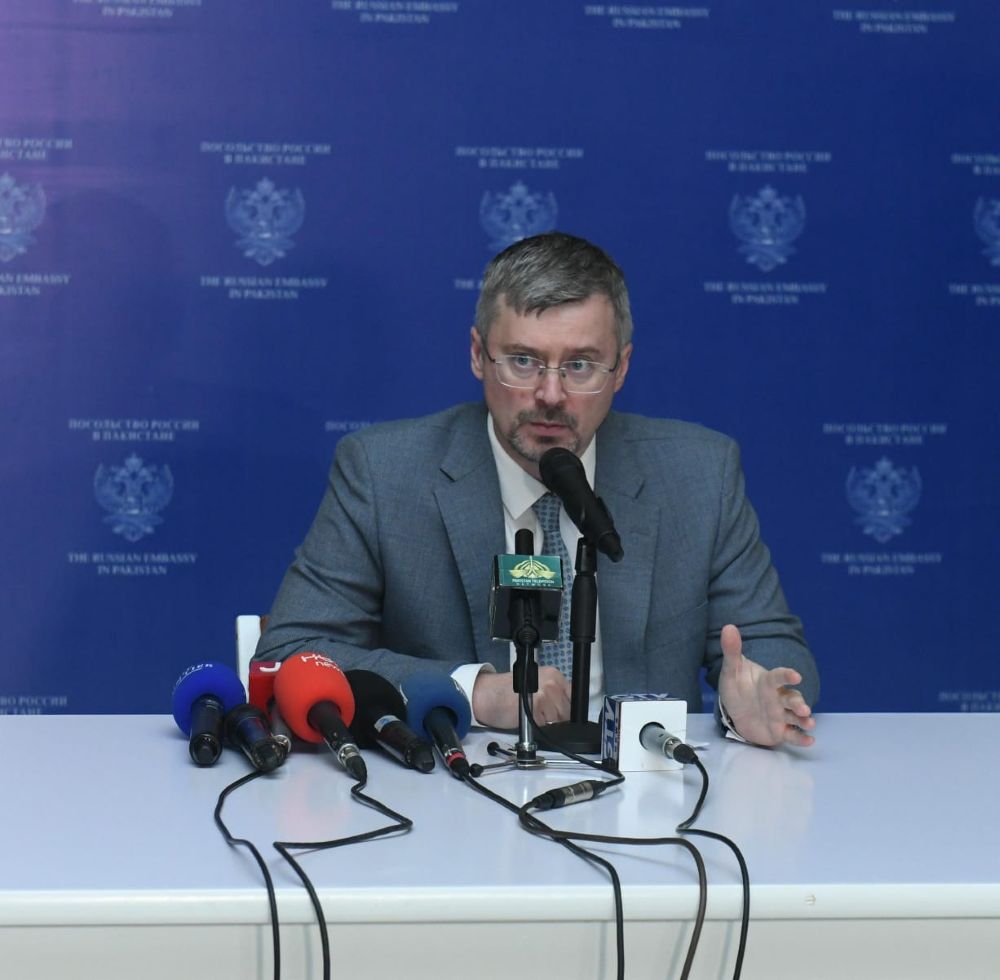
Read More: Russia-Pakistan Druzhba Exercise Concludes in Cherat
The Test Lies in Implementation
The visit of Russian Interior Minister Vladimir Kolokoltsev provides Pakistan and Russia with an opportunity to deepen an increasingly important relationship. It comes at a time when Pakistan needs effective partnerships to confront terrorism and when Russia has clear interests in preventing instability from spreading across Afghanistan and Central Asia.
But diplomacy should be judged by results.
Will the two countries establish reliable channels for intelligence cooperation? Can they develop practical mechanisms to address cross-border militant threats? Will they strengthen cooperation against organised crime and narcotics trafficking? And can their security dialogue contribute to a broader regional framework that encourages stability rather than confrontation?
These are the questions that matter.
For Pakistan, the immediate priority must remain the protection of its citizens and the prevention of militant attacks. For Russia, closer engagement with Islamabad offers an opportunity to strengthen its regional diplomatic and security relationships. For both countries, the challenge is to transform overlapping interests into a partnership that delivers concrete benefits.
The real significance of this historic visit will not lie in the fact that a Russian interior minister has arrived in Islamabad for the first time. It will lie in whether the two countries can turn diplomatic goodwill into effective cooperation—and whether that cooperation helps build a safer, more stable South and Central Asia.

Khalid Minhas | Editor, Diplomatic Wire
A veteran journalist with three decades of comprehensive experience, Khalid Minhas has covered politics and international relations in depth throughout his career. He has also contributed to academia, teaching journalism and mass communication as a visiting faculty member at various universities in Pakistan. He holds an M.Phil in Mass Communication and is currently a Ph.D research scholar pursuing advanced studies in the field. He is also the author of the book America, Israel aur Islam, providing insightful analysis on the subject.