In a historic diplomatic shift, Ambassador Shafqat Ali Khan has presented his credentials to President Vahagn Khachaturyan in Yerevan. The engagement marks a new chapter in Pakistan-Armenia relations, opening pathways for trade, education, and regional cooperation following the formal establishment of bilateral ties.
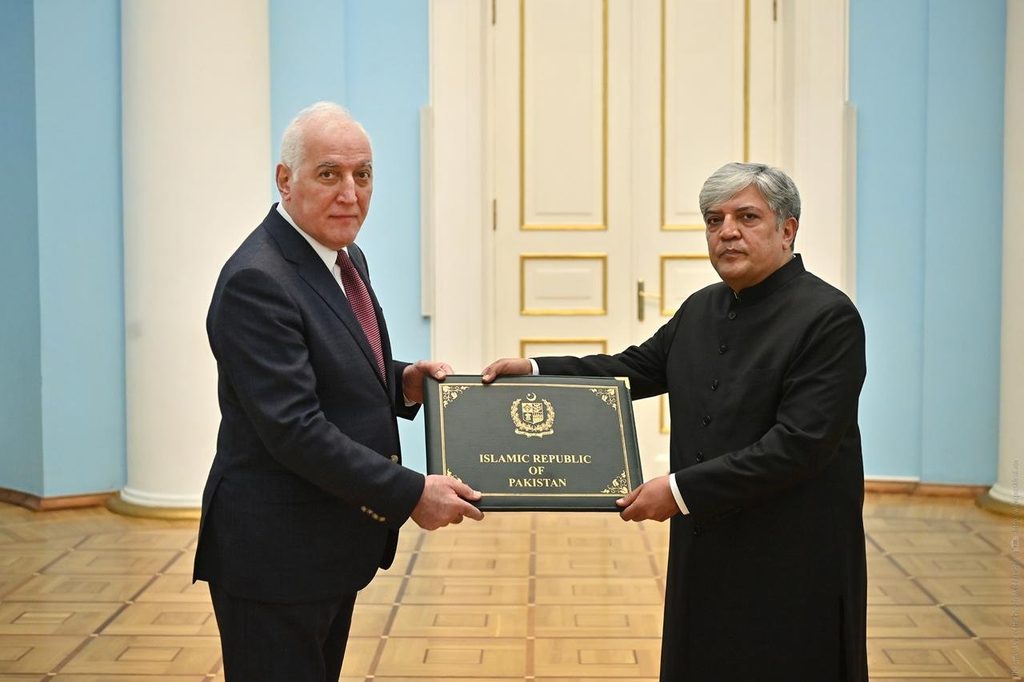
Diplomatic ties between Islamabad and Yerevan entered an unprecedented operational phase today as Ambassador Shafqat Ali Khan formally handed his Letters of Credence to Armenian President Vahagn Khachaturyan during a ceremony at the Presidential Palace in Yerevan.
The presentation marks a historic turning point in Pakistan-Armenia relations, establishing Islamabad’s inaugural ambassadorial-level presence in the South Caucasus nation following the landmark decision to forge bilateral diplomatic ties in 2025. Khan, a seasoned diplomat who concurrently serves as Pakistan’s Ambassador to the United Arab Emirates, assumes the role as non-resident Ambassador to Armenia.
A Reset in the South Caucasus
Receiving the Pakistani envoy, President Khachaturyan offered warm congratulations and extended full executive support to ensure a productive tenure. According to official diplomatic briefings released in Yerevan and reported by regional news outlets, the Armenian head of state expressed a clear readiness to assist in expanding bilateral cooperation across strategic sectors of joint interest.
Ambassador Khan conveyed formal greetings from Pakistan’s President and Prime Minister, reiterating Islamabad’s commitment to building a constructive relationship with Yerevan. Both figures highlighted untapped potential in economic engagement, pointing specifically to trade, direct investment, higher education, cultural exchanges, and broader people-to-people channels.
For decades, formal relations between the two nations were frozen due to complex regional geopolitical alignments, making today’s ceremony a milestone achievement for South Asian and Caucasian diplomacy alike.
Consolidating Strategic Engagements in Yerevan
The credential ceremony capped a series of high-level ministerial meetings across the Armenian capital. Prior to his audience with President Khachaturyan, Ambassador Khan held discussions with Armenia’s Minister of Foreign Affairs and International Trade, Ararat Mirzoyan.
Foreign Minister Mirzoyan welcomed the envoy, noting that regular diplomatic channels would allow both states to thoroughly review their shared agenda. According to sources familiar with the discussions, the dialogue encompassed not only bilateral economic portfolios but also wider regional security architectures and multilateral forum coordination.
In a separate working meeting, Khan met with Deputy Foreign Minister Mnatsakan Safaryan to hand over working copies of his credentials. Safaryan emphasized that establishing formal ties represented a decisive, forward-looking policy choice by the political leadership in both capitals.
The diplomatic itinerary in Yerevan signifies an intent to build practical foundations quickly. Observers note that while physical proximity and historical policy differences previously limited interaction, current geopolitical realities are pushing both capitals to diversify their economic and diplomatic partnerships.
Economic Potential and Multilateral Cooperation
While initial steps remain focused on institutional frameworking, initial talks have identified concrete areas where bilateral synergy is possible:
- Trade & Commercial Logistics: Establishing foundational legal mechanisms to enable direct commercial exchanges and market access.
- Education & Human Capital: Facilitating university placements, academic research partnerships, and student exchanges.
- Cultural Diplomacy: Encouraging delegation visits to foster mutual understanding and break down longstanding historic perceptions.
- Multilateral Alignment: Coordinating positions on global economic issues within international assemblies, including the United Nations network.
Regional analysts suggest that Khan’s dual assignment in Abu Dhabi provides a strategic vantage point. The United Arab Emirates has increasingly served as a neutral commercial hub bridging South Asia and Eurasia, potentially offering a commercial conduit for early Pakistan-Armenia trade initiatives.
As of Saturday, diplomatic teams from both sides are working on preliminary agendas to schedule initial joint working groups. The formalization of this mission confirms that both nations are moving past legacy diplomatic stances in favor of pragmatic engagement.
FAQ:
Q1: What is the significance of Ambassador Shafqat Ali Khan presenting his credentials in Armenia? A1: It marks the official operational launch of ambassadorial-level diplomatic relations between Pakistan and Armenia, representing Pakistan’s first envoy to the country.
Q2: When did Pakistan and Armenia formally establish diplomatic relations? A2: Formal diplomatic relations between the Republic of Armenia and the Islamic Republic of Pakistan were officially established in 2025.
Q3: What specific areas of cooperation are Pakistan and Armenia focusing on? A3: Both nations have identified trade and investment, higher education, cultural exchange, economic cooperation, and joint engagement in international forums as primary areas of focus.
Q4: Is Ambassador Shafqat Ali Khan based permanently in Yerevan? A4: No, Ambassador Shafqat Ali Khan serves concurrently as Pakistan’s resident Ambassador to the United Arab Emirates and as non-resident Ambassador to the Republic of Armenia.
Q5: Which Armenian officials did Ambassador Khan meet during his visit to Yerevan? A5: Ambassador Khan met with Armenian President Vahagn Khachaturyan, Minister of Foreign Affairs Ararat Mirzoyan, and Deputy Minister of Foreign Affairs Mnatsakan Safaryan.
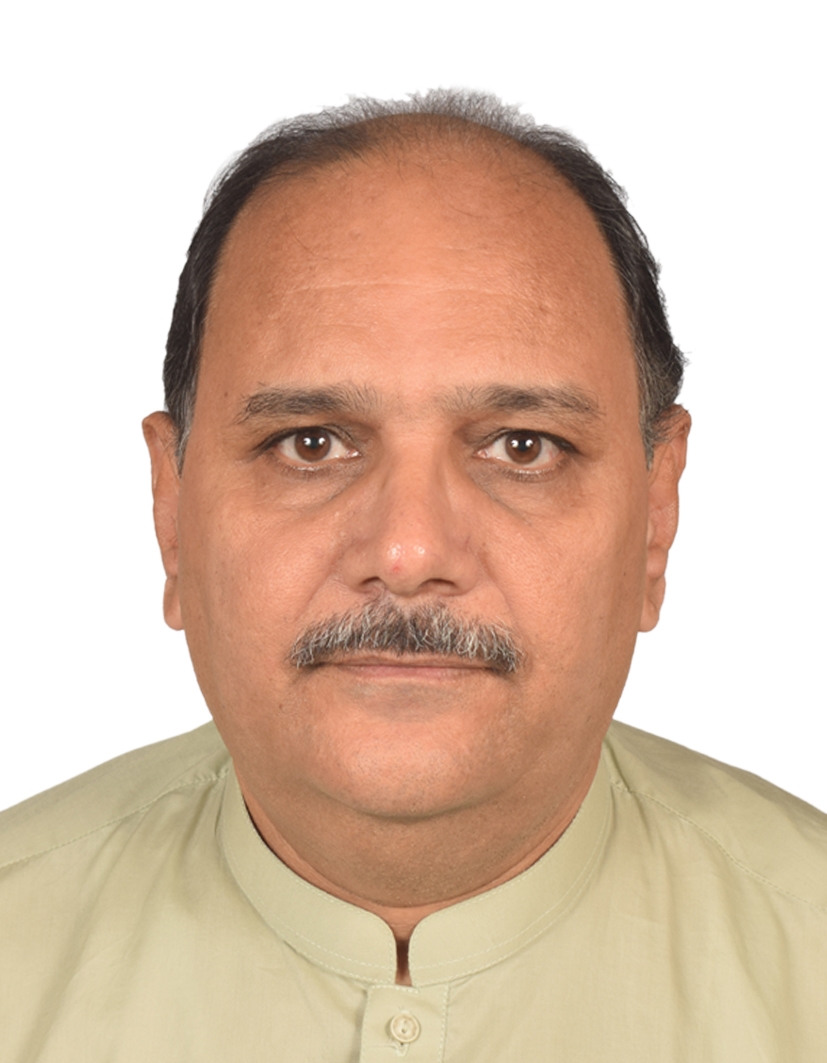
Khalid Minhas | Editor, Diplomatic Wire
A veteran journalist with three decades of comprehensive experience, Khalid Minhas has covered politics and international relations in depth throughout his career. He has also contributed to academia, teaching journalism and mass communication as a visiting faculty member at various universities in Pakistan. He holds an M.Phil in Mass Communication and is currently a Ph.D research scholar pursuing advanced studies in the field. He is also the author of the book America, Israel aur Islam, providing insightful analysis on the subject.