UN Secretary-General António Guterres has named Pakistani Major General Jawwad Ahmed Qazi, Hilal e Imtiaz (Military), as the new Force Commander for MINURSO in Western Sahara, leveraging his 35 years of military and international peacekeeping operational leadership.
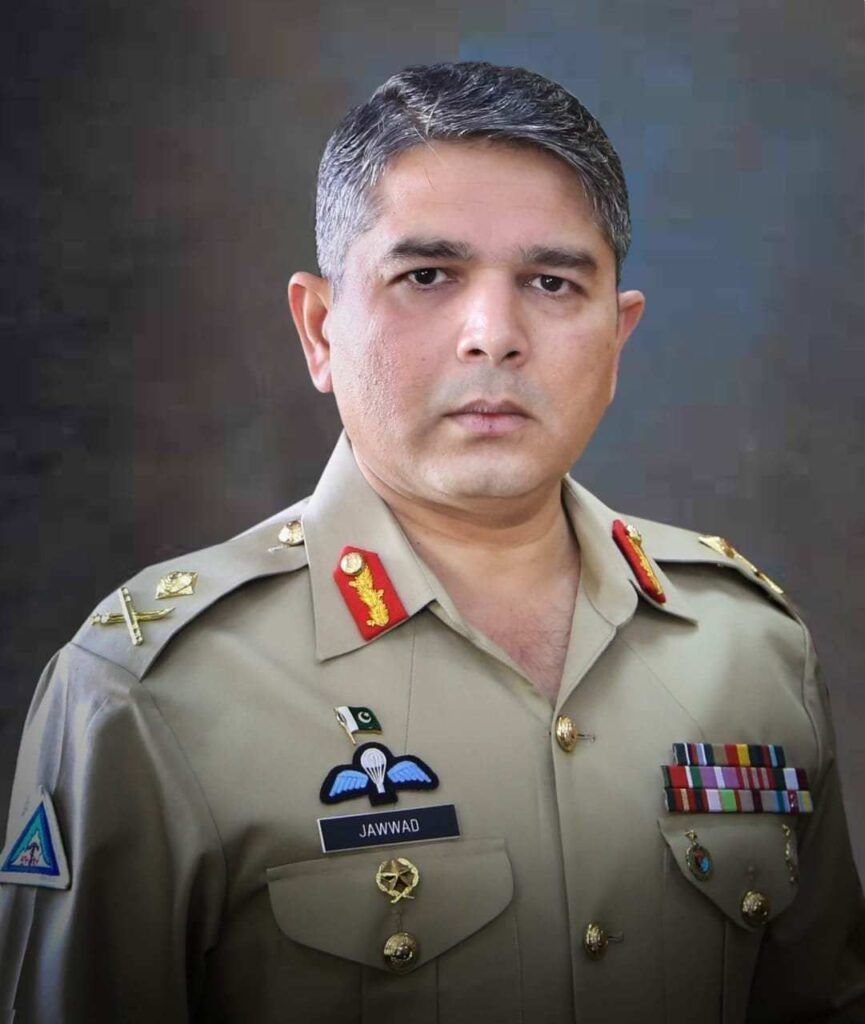
UNITED NATIONS — United Nations Secretary-General António Guterres has formally appointed Major General Jawwad Ahmed Qazi, recipient of Pakistan’s Hilal e Imtiaz (Military), as the new Force Commander of the UN Mission for the Referendum in Western Sahara (MINURSO).
The announcement, confirmed by the Permanent Mission of Pakistan to the United Nations, places a seasoned Pakistani military strategist at the helm of one of the UN’s longest-running and politically delicate observer missions. Major General Qazi steps into the role bringing over 35 years of extensive operational, command, and high-level defense management experience, including prior operational service under the UN flag in the Balkans.
Key Details and Leadership Profile
Major General Qazi’s career within the Pakistan Army encompasses field command, strategic staff appointments, and defense policymaking. Before his appointment as MINURSO Force Commander, his primary military assignments included serving as General Officer Commanding (GOC) of an Infantry Division, Force Commander Northern Areas (FCNA), and Director General within Pakistan’s Ministry of Defence.
His international operational credentials date back to his deployment with the United Nations Transitional Administration in Eastern Slavonia, Baranja and Western Sirmium (UNTAES) in Croatia. There, UN blue helmets successfully overseen the peaceful reintegration of conflict-affected territories following the breakup of Yugoslavia.
“With over 35 years of leadership and operational experience in the Pakistan Army and UN peacekeeping, Major General Qazi brings extensive command, field and international experience to the mission,”
— Permanent Mission of Pakistan to the UN
Strategic Context in Western Sahara
As Force Commander, Major General Qazi assumes operational command over international military observers deployed across the sparsely populated, highly contested desert territory.
MINURSO was established by UN Security Council Resolution 690 in April 1991 following a settlement agreement between Morocco and the pro-independence Polisario Front. The mission’s foundational mandate was to monitor a bilateral ceasefire and implement a referendum allowing the indigenous Sahrawi population to choose between full independence and integration with Morocco.
Reuters and Al Jazeera have consistently noted that MINURSO operates in a complex political landscape. While Morocco controls roughly 80 percent of the territory—offering an autonomy plan under Moroccan sovereignty—the Algerian-backed Polisario Front maintains its demand for the long-delayed self-determination vote. Tensions in the buffer strip have flared periodically since 2020, making active ceasefire monitoring and ground verification crucial to preventing regional military escalation.
Pakistan’s Peacekeeping Footprint
The appointment reinforces Pakistan’s position as one of the cornerstone troop- and police-contributing countries (TCCs) within the United Nations peace architecture. Since deploying its first contingent to the Congo in 1960, Pakistan has contributed over 200,000 peacekeepers across more than 40 missions worldwide, frequently serving in volatile operational environments including Somalia, Bosnia, Rwanda, and the Democratic Republic of the Congo.
Reiterating the country’s diplomatic standing, Pakistan’s UN mission emphasized that Islamabad takes immense pride in the leadership selection, highlighting a continued national commitment to deploying mission-ready contingents and experienced military commanders to global hotspot zones.
What Comes Next
Major General Qazi will assume direct leadership of MINURSO’s military component in Laayoune, overseeing multinational military observers stationed across desert monitoring posts on both sides of the berm—the 2,700-kilometer sand wall dividing the territory.
His immediate operational priorities will center on enhancing UN observer mobility, maintaining direct communications channels between Moroccan military authorities and Polisario leadership, and ensuring the safety of UN civilian and military personnel navigating localized security frictions.
FAQ
Q1: What is MINURSO and what is its primary mandate?
MINURSO stands for the United Nations Mission for the Referendum in Western Sahara. Established in 1991, its mandate is to monitor the ceasefire between Morocco and the Polisario Front and facilitate a self-determination referendum for the region’s population.
Q2: Who is Major General Jawwad Ahmed Qazi?
Major General Jawwad Ahmed Qazi is a senior officer from the Pakistan Army awarded the Hilal e Imtiaz (Military). He possesses 35 years of military experience, having served as GOC of an Infantry Division, Force Commander Northern Areas, Director General at the Ministry of Defence, and as a UN peacekeeper in Croatia (UNTAES).
Q3: Who appoints the MINURSO Force Commander?
The Force Commander is officially appointed by the United Nations Secretary-General, following consultations with member states and military leadership evaluations.
Q4: Why is Pakistan significant in UN peacekeeping operations?
Pakistan is historically one of the largest troop-contributing nations to United Nations peacekeeping operations globally, having deployed over 200,000 personnel across dozens of international peace missions since 1960.
Q5: Where is the headquarters of MINURSO located?
The operational headquarters of MINURSO is located in Laayoune, the largest city in Western Sahara, with field team sites positioned across both sides of the dividing border berm.

The Diplomatic Wire Desk is the institutional news and analysis body of Diplomatic Wire, overseen by Founder and Editor Khalid Minhas. The Desk covers international relations, foreign policy, and critical diplomatic initiatives with objective, timely reporting for a professional readership.