LONDON – A former senior British officer has accused UK Special Forces of committing “war crimes” in Afghanistan, alleging that SAS units executed detainees and that military leadership concealed the killings.
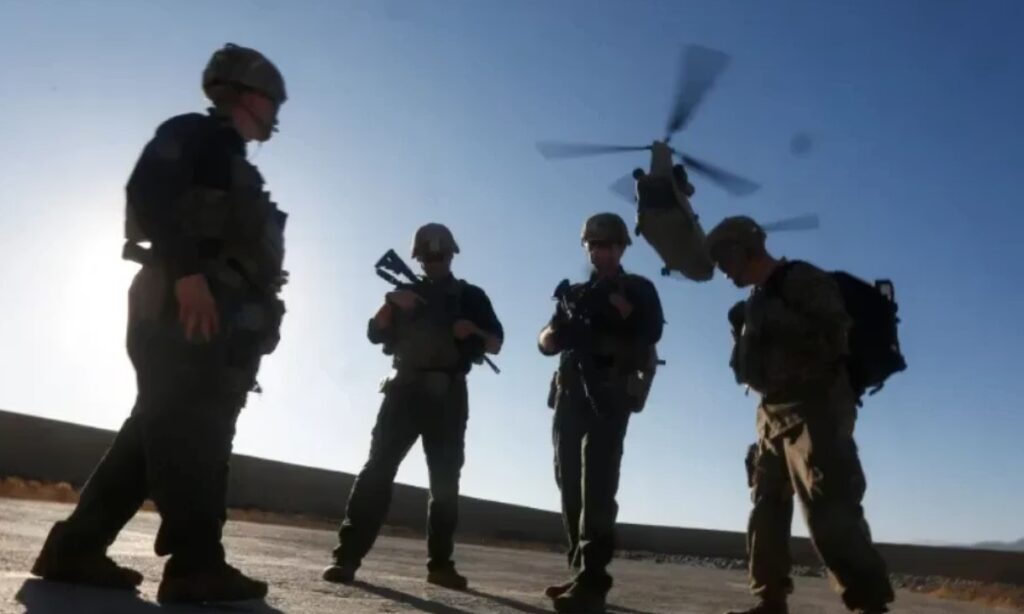
In confidential testimony disclosed on Monday, the former Deputy Chief of Staff for UK special operations detailed a pattern of extrajudicial killings during deployments roughly a decade ago. He told the ongoing public inquiry that the number of “enemy fighters” reported killed consistently exceeded the number of weapons recovered, casting doubt on official accounts.
“Not Special, Not Elite” The officer, whose identity remains protected, rejected repeated military claims that detainees were killed after attempting to seize weapons or grenades while in custody. Instead, he alleged that detainees were frequently taken back to raid sites and executed under the pretense that they had attacked British forces.
Describing the conduct as indefensible, he noted that the victims in some instances included toddlers shot in their beds.
“This is not special, not elite, not what we stand for,” the officer told Oliver Glasgow, the inquiry’s lead counsel, adding that most personnel would not condone such actions.
Allegations of Command Failure The witness stated he raised urgent concerns at the time with the Commander of UK Special Forces. However, rather than initiating a criminal investigation, the Commander allegedly ordered only a review of operational tactics.
The officer expressed regret for not reporting the matter directly to the Royal Military Police until 2015, suggesting that knowledge of the extrajudicial killings was widespread within the special forces community.
The Inquiry Context The testimony emerged as part of a public inquiry chaired by senior judge Sir Charles Haddon-Cave. The probe was launched following a BBC investigation that reported SAS members had killed 54 people under suspicious circumstances during a single six-month tour.
The inquiry is tasked with determining whether credible information about unlawful killings existed and if subsequent military police investigations—which the Ministry of Defence previously said found insufficient evidence to prosecute—were flawed or obstructed.
Judge Haddon-Cave emphasized that the inquiry aims both to hold accountable those who broke the law and to clear the names of those who served with integrity.

The Diplomatic Wire Desk is the institutional news and analysis body of Diplomatic Wire, overseen by Founder and Editor Khalid Minhas. The Desk covers international relations, foreign policy, and critical diplomatic initiatives with objective, timely reporting for a professional readership.