
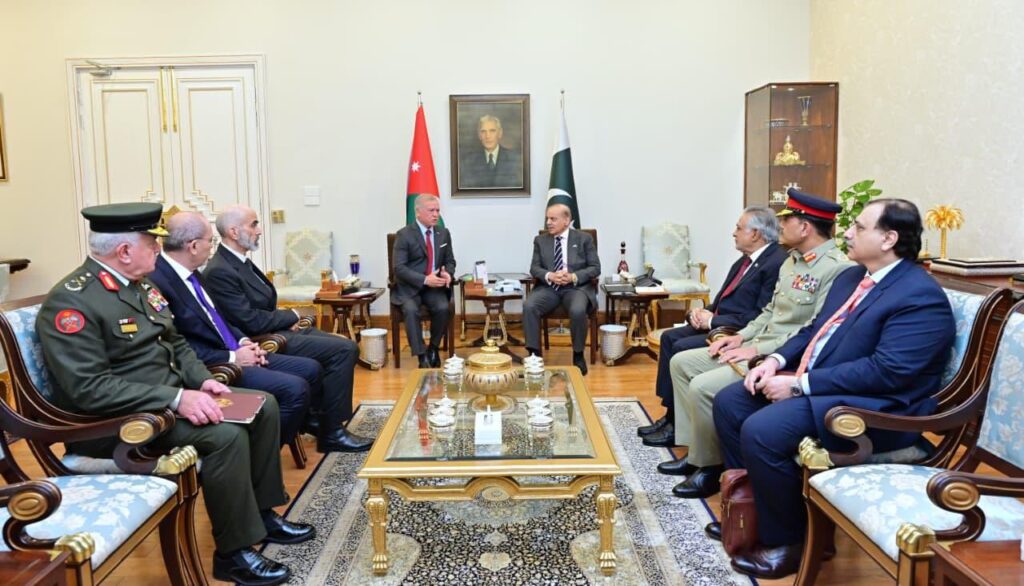
Riyadh, Saudi Arabia — A fresh round of direct talks between Pakistan and the Afghan Taliban regime, quietly facilitated by Saudi Arabia, concluded late Sunday in Riyadh without achieving a breakthrough, underscoring the deep and intractable nature of the dispute over cross-border terrorism. According to sources familiar with the closed-door discussions, both delegations remained firmly entrenched in their long-held positions, casting a shadow over immediate prospects for de-escalation.

The primary objective of the Saudi-led dialogue was to ease soaring tensions between Islamabad and Kabul, which have reached a new low due to an increase in attacks by the banned Tehreek-i-Taliban Pakistan (TTP) operating from Afghan soil.
Core Disagreement Remains Unresolved
The failure of the Riyadh talks mirrors the impasse reached in the parallel mediation track spearheaded by Turkiye and Qatar. Key points of contention include:
- Pakistan’s Core Demand: Islamabad insists that the Afghan regime must take concrete, verifiable action to prevent its soil from being used by the TTP and other militant groups to launch attacks into Pakistan. Pakistan’s government has explicitly linked the resumption of bilateral trade to an end to cross-border terrorism.
- Kabul’s Response: The Afghan Taliban deny providing sanctuary to terrorists and refuse to accept responsibility for Pakistan’s internal security challenges. They have also reportedly sought to broaden the scope of the negotiations away from the singular focus on terrorism.
A Rejected Trade-for-Talks Proposal
During the Riyadh session, Saudi officials reportedly offered a concession aimed at easing immediate bilateral pain: they suggested that Pakistan should consider allowing the resumption of bilateral trade while discussions on counter-terrorism continued. However, Islamabad declined the proposal, holding firm to its principle that security is the prerequisite for economic normalization.
This refusal is particularly significant, as the suspension of cross-border trade, which followed border clashes and Pakistan’s subsequent expulsion of illegal Afghan nationals, is now disproportionately affecting Pakistan’s own businesses and economy. Afghan commerce, meanwhile, has reportedly begun redirecting through alternative corridors via Iran and Central Asia.
The Stalemate of Regional Mediation
The Riyadh engagement, though a separate track, highlights the broader diplomatic fatigue surrounding the issue.
- Turkiye-Qatar Track: This initiative, which began in October following border skirmishes, managed to broker a fragile ceasefire in Doha. However, subsequent rounds in Istanbul failed to establish a verifiable monitoring mechanism to ensure the cessation of TTP activities. After the third round in early November, Pakistan’s Defence Minister declared that the talks were “over” and had “entered an indefinite phase.”
- Political Fallout: Following the breakdown of the Istanbul talks, the Afghan Taliban suspended trade ties with Islamabad. While Turkiye announced plans to send a high-level delegation to Pakistan to discuss the tensions, that visit has yet to materialize.
Implications for Regional Stability
The persistent deadlock signals a dangerous phase for Pakistan-Afghanistan relations. The lack of a diplomatic pathway to resolve the TTP issue will likely mean a continued reliance on border security measures and counter-terrorism operations, increasing the risk of miscalculation and escalation along the border.
The willingness of Saudi Arabia to step into this complex mediation role, alongside Turkiye and Qatar, underscores the regional recognition of the crisis and its potential to destabilize the wider region. While another Saudi-hosted round is possible, as sources suggest, the immediate priority for mediators will be to find a mechanism to bridge the fundamental divide between Pakistan’s demand for action and Kabul’s denial of responsibility.

Khalid Minhas | Editor, Diplomatic Wire
A veteran journalist with three decades of comprehensive experience, Khalid Minhas has covered politics and international relations in depth throughout his career. He has also contributed to academia, teaching journalism and mass communication as a visiting faculty member at various universities in Pakistan. He holds an M.Phil in Mass Communication and is currently a Ph.D research scholar pursuing advanced studies in the field. He is also the author of the book America, Israel aur Islam, providing insightful analysis on the subject.
Pingback: Riyadh Airport Attack Kills Pakistani National and Wounds 11 in Houthi Strike