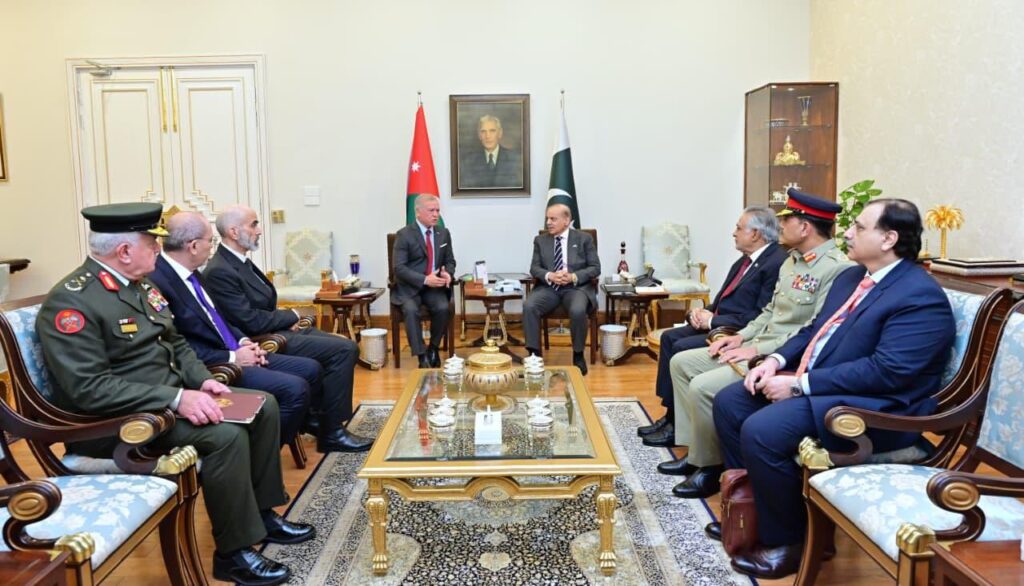
LAHORE, May 07, 2026 — A high-level delegation of senior civil servants from the People’s Republic of Bangladesh arrived at the National School of Public Policy (NSPP) in Lahore this week. This visit marks the inaugural executive development program hosted by the Civil Services Academy (CSA) for Bangladeshi officials, signifying a pivotal shift in South Asian administrative diplomacy.
Strengthening Regional Governance Frameworks
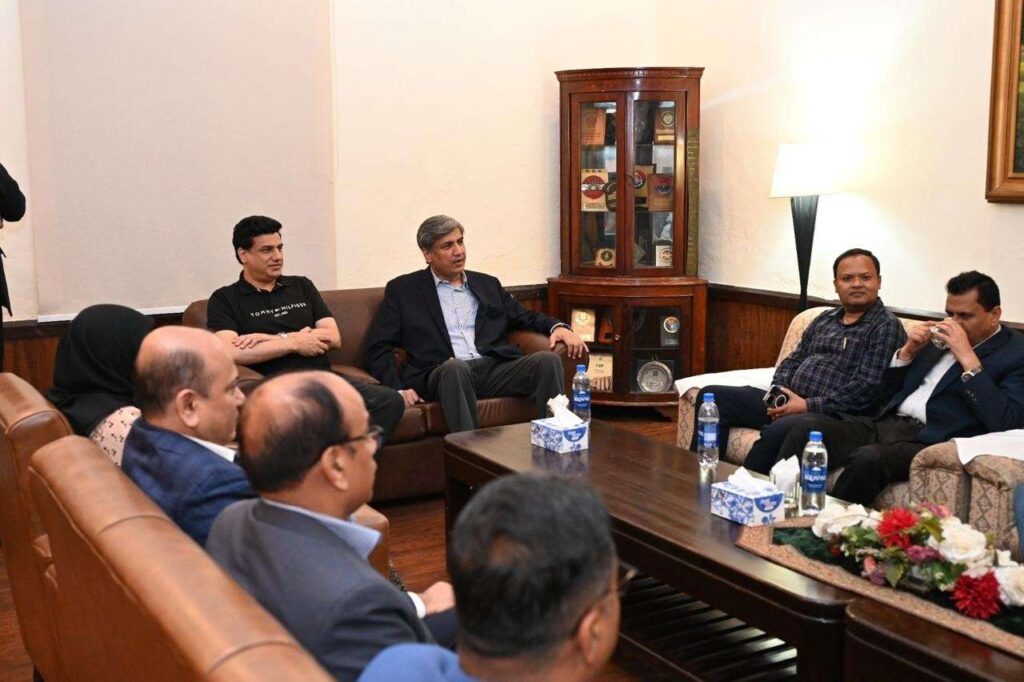
The Bangladesh civil service delegation visit to NSPP represents the first high-level academic exchange of its kind between the two nations’ premier training institutions. Director General (Administration) NSPP Asim Iqbal and Director Muhammad Bilal Akram received the officials, initiating a curriculum focused on modernizing public administration. Consequently, the program emphasizes policy-making, institutional management, and leadership development tailored to the 2026 regional economic landscape.
“This visit marks a significant step toward strengthening institutional linkages and promoting mutual understanding through professional collaboration,” stated an official spokesperson during the welcoming ceremony.
Strategic Cooperation and Knowledge Exchange
Throughout the week, participants engaged in rigorous professional sessions and interactive discussions. These engagements aim to synchronize governance standards between Dhaka and Islamabad. Furthermore, Rector NSPP and Director General CSA Farhan Aziz Khawaja scheduled high-level meetings to formalize future institutional partnerships. These discussions prioritize:
Academic Synergies: Establishing a permanent framework for exchange programs.
Policy Innovation: Sharing best practices in digital governance and AI integration within the public sector.
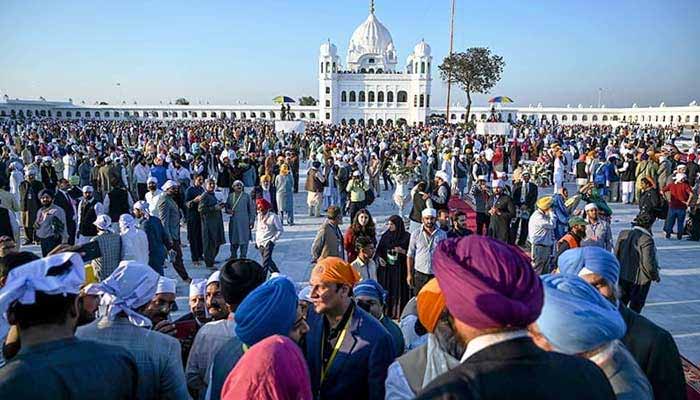
Cultural Diplomacy: Integrating heritage site visits to foster bilateral rapport.
Strategic Outlook
The integration of Bangladeshi and Pakistani administrative cadres through the Bangladesh civil service delegation visit to NSPP suggests several long-term regional implications:
- Standardization of Bureaucracy: Alignment of administrative protocols may streamline future trade negotiations and cross-border infrastructure projects, including potential linkages between regional trade corridors.
- Diplomatic Thaw: This academic “soft diplomacy” serves as a precursor to expanded bilateral relations, potentially easing historical tensions through technical and professional cooperation.
- Regional Stability: Enhanced collaboration between the civil services of two of South Asia’s largest populations could lead to more synchronized responses to shared challenges, such as climate migration and digital infrastructure security.
Khalid Minhas | Editor, Diplomatic Wire
A veteran journalist with three decades of comprehensive experience, Khalid Minhas has covered politics and international relations in depth throughout his career. He has also contributed to academia, teaching journalism and mass communication as a visiting faculty member at various universities in Pakistan. He holds an M.Phil in Mass Communication and is currently a Ph.D research scholar pursuing advanced studies in the field. He is also the author of the book America, Israel aur Islam, providing insightful analysis on the subject.