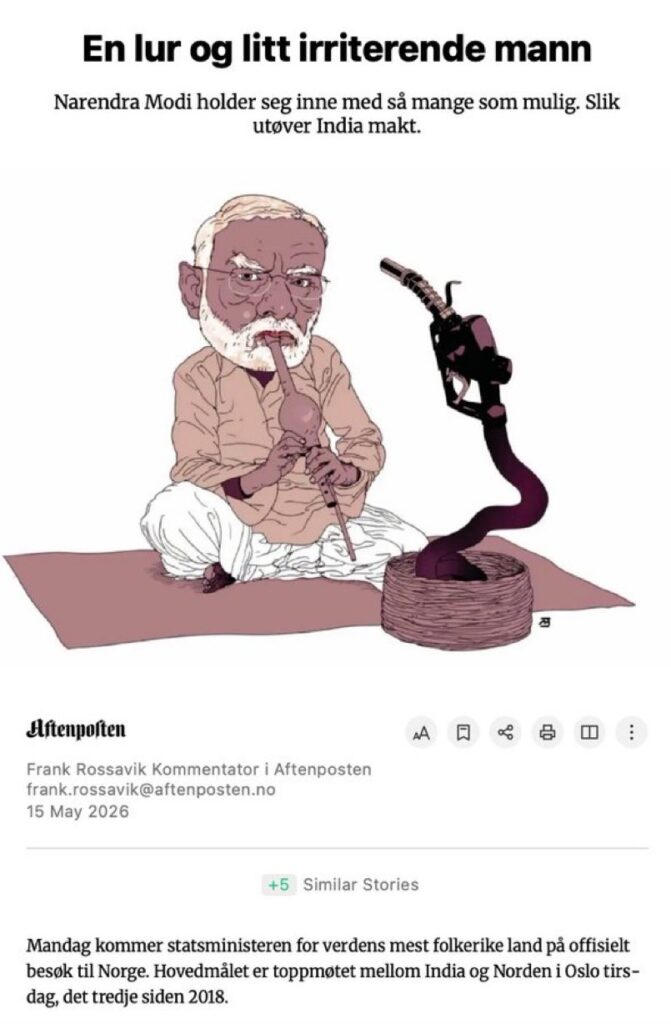
A high-profile diplomatic confrontation erupted in Oslo during Prime Minister Narendra Modi’s official visit to Norway. The dispute began during a joint press briefing with Norwegian Prime Minister Jonas Gahr Støre, when Prime Minister Modi exited without taking questions from reporters. The decision prompted public criticism from Norwegian media personnel, leading to a tense, 17-minute exchange during a subsequent Ministry of External Affairs (MEA) briefing.
The confrontation highlights the deep polarization between Western media standards and New Delhi’s official diplomatic communication strategy. Norwegian commentator Helle Lyng publicly questioned India’s human rights and press freedom record, asking Indian officials why Nordic partners should “trust India.” MEA Secretary (West) Sibi George delivered a sharp response, dismissing foreign assessments as products of “ignorant NGOs.”
He defended New Delhi’s democratic framework by citing constitutional legal remedies, universal suffrage since 1947, and historic global contributions. The verbal clash has quickly become a focal point of geopolitical discussion surrounding India’s foreign policy and its interaction with Western democratic institutions.
Geopolitical Friction and Democratic Metrics
The incident in Oslo is part of a broader pattern of friction between Indian delegates and European journalists during Prime Minister Modi’s multi-nation European tour. Similar queries regarding domestic policy and minority rights emerged during briefings in the Netherlands. Consequently, the public nature of these disputes has amplified debates over international governance metrics.
Western commentators frequently point to global indexes, such as the World Press Freedom Index, to critique New Delhi’s domestic landscape. Conversely, official Indian diplomatic cables and ministries increasingly reject these frameworks, characterizing them as biased or disconnected from the scale of India’s internal democracy.
Furthermore, the diplomatic row underscores a strategic shift in how New Delhi manages international scrutiny. Rather than avoiding contentious topics, Indian diplomats are adopting highly assertive communication strategies to defend national sovereignty on the global stage.
Strategic Outlook
- Hardening of Diplomatic Rhetoric: India is likely to sustain an uncompromising stance against Western criticisms of its internal governance, choosing to emphasize its sovereign judicial mechanisms and civilizational history over compliance with Western-centric human rights metrics.
- Impact on Nordic-India Partnerships: While functional bilateral cooperation regarding green technology, maritime trade, and Arctic research will continue, persistent friction over civil liberties may introduce underlying diplomatic reservations among Nordic policymakers.
- Amplified Domestic Cleavages: The viral nature of these international press clashes will continue to fuel political polarization within India, as domestic opposition parties leverage the criticism to challenge the government’s accountability, while the ruling administration utilizes the robust defense to consolidate nationalist support.
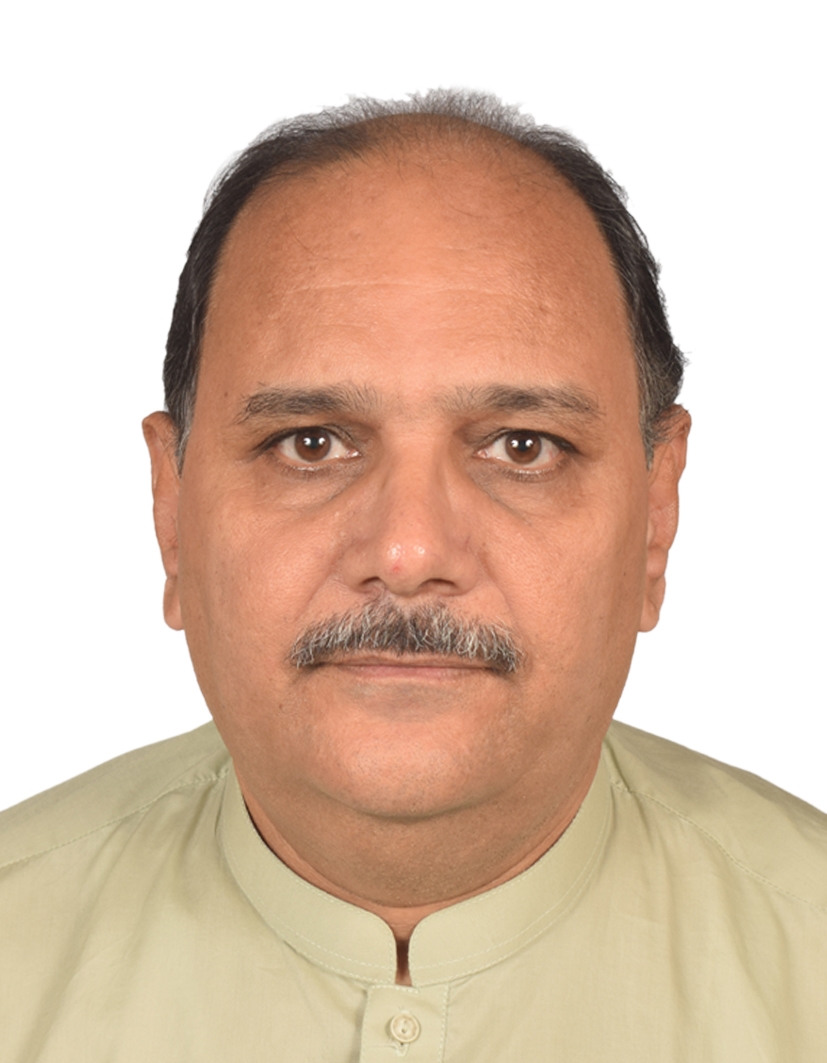
Khalid Minhas | Editor, Diplomatic Wire
A veteran journalist with three decades of comprehensive experience, Khalid Minhas has covered politics and international relations in depth throughout his career. He has also contributed to academia, teaching journalism and mass communication as a visiting faculty member at various universities in Pakistan. He holds an M.Phil in Mass Communication and is currently a Ph.D research scholar pursuing advanced studies in the field. He is also the author of the book America, Israel aur Islam, providing insightful analysis on the subject.