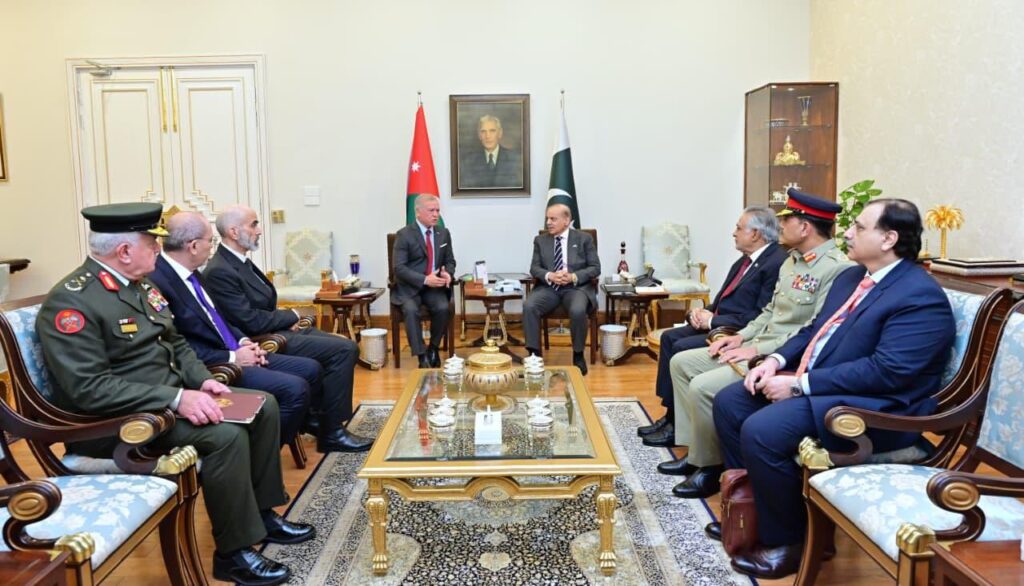
LAHORE — Pakistan has assumed a central role in high-stakes mediation between the United States and Iran, leveraging its unique diplomatic position to avert a broader regional conflict. Following a series of high-level communications involving both civilian and military leadership, Islamabad has officially expressed its willingness to host a direct summit to bridge the escalating trust deficit between Washington and Tehran.
The Geopolitical Significance of the Islamabad Initiative
The emergence of Pakistan as a “frontline mediator” underscores a shift in 2026 middle-power diplomacy. By aligning with Türkiye and Egypt, Islamabad is creating a consolidated Islamic bloc to stabilize energy corridors. This mediation is critical not only for global oil prices but also for the preservation of the China-Pakistan Economic Corridor (CPEC) infrastructure, which remains sensitive to regional volatility. Consequently, the “trilateral synergy” between Islamabad, Ankara, and Cairo now offers a functional roadmap for steering the Middle East away from a kinetic confrontation.
High-Level Engagement and the Five-Day Pause
The diplomatic breakthrough followed a reported phone conversation between Pakistan’s Chief of Defence Forces, Field Marshal Asim Munir, and U.S. President Donald Trump. According to reports from the Financial Times, this conversation occurred closely aligned with the President’s announcement to defer strikes on Iranian energy infrastructure. While the Inter-Services Public Relations (ISPR) has not issued an official confirmation of the call, the timing suggests a coordinated effort to secure a 120-hour window for diplomacy.
Parallel to military channels, Prime Minister Shehbaz Sharif held a follow-up consultation with Iranian President Masoud Pezeshkian on March 23. Ostensibly an Eid and Nowruz greeting call, the Prime Minister emphasized that dialogue is “required more than ever before.” Furthermore, Deputy Prime Minister and Foreign Minister Ishaq Dar engaged his Iranian counterpart, Abbas Araghchi, to stress the importance of regional stability.
Following these exchanges, President Trump cited “productive conversations” as the basis for the current pause in hostilities.
Proposed “Islamabad Summit” and Trilateral Synergy
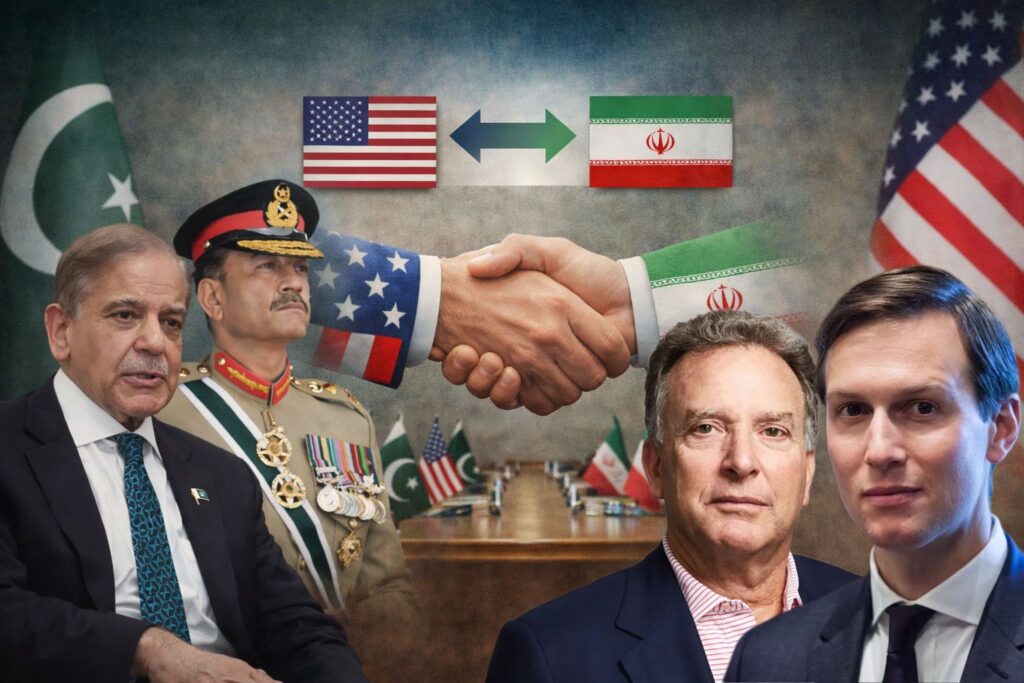
Speculation regarding Islamabad serving as a neutral venue for direct talks has gained significant traction. Reports from Reuters and Axios suggest a high-level U.S. delegation—potentially including Vice President JD Vance, Middle East Envoy Steve Witkoff, and Jared Kushner—is expected to visit the region.
Foreign Office Spokesman Tahir Andrabi stated to Dawn that while no official arrangement is finalized, “Islamabad is always willing to host talks” if the parties desire. However, Iranian officials have characterized these reports as “speculative,” preferring to frame current interactions as message-sharing via “friendly countries.” This cautious stance reflects the fragility of the “strategic synergy” currently being managed alongside Ankara and Cairo.
Domestic Drivers: Energy Crisis and CPEC Stability
Islamabad’s proactive stance is fueled by urgent domestic economic requirements. A recent government briefing revealed that the country could face a total depletion of LNG reserves by April 14, 2026, due to the suspension of supplies through the Gulf.
- Energy Security: Pakistan relies on the Gulf for nearly 99% of its LNG. While a “solar boom” has mitigated some grid pressure, the industrial sector remains paralyzed by the Hormuz blockade.
- CPEC and Gwadar: The Gwadar Port, a crown jewel of CPEC, faces operational stagnation. Beijing has signaled that continued investment in the 2026 phase of the corridor depends on maritime stability in the Arabian Sea.
- Sectarian Stability: With the world’s second-largest Shia population, Pakistan seeks to avoid internal friction or a refugee crisis along its 900-kilometer border with Iran.
- Defense Commitments: Islamabad is navigating a “diplomatic tightrope,” attempting to honor a 2025 mutual defense pact with Saudi Arabia while ensuring Pakistani territory is not utilized for offensive actions against Tehran.
Strategic Outlook - Maritime Corridors: Success in these talks will likely lead to a supervised “neutral corridor” in the Strait of Hormuz, stabilizing global energy markets and lowering maritime insurance premiums for South Asian ports.
- Diplomatic Pivot: If the Islamabad Summit materializes, Pakistan will solidify its status as a “pivot state” in 2026, potentially easing its own economic negotiations with Western financial institutions and the IMF.
- Conflict Fragility: The “five-day pause” remains highly sensitive. Any localized skirmish involving regional proxies or IRGC units—especially following the leadership transitions in Tehran this February—could collapse the mediation efforts, leading to renewed U.S. strikes.
Khalid Minhas | Editor, Diplomatic Wire
A veteran journalist with three decades of comprehensive experience, Khalid Minhas has covered politics and international relations in depth throughout his career. He has also contributed to academia, teaching journalism and mass communication as a visiting faculty member at various universities in Pakistan. He holds an M.Phil in Mass Communication and is currently a Ph.D research scholar pursuing advanced studies in the field. He is also the author of the book America, Israel aur Islam, providing insightful analysis on the subject.