ISLAMABAD — Federal Minister for Commerce Jam Kamal Khan, alongside his Uzbek counterpart, officially inaugurated the “Made in Uzbekistan” exhibition today during the Pakistan-Uzbekistan Business Forum.
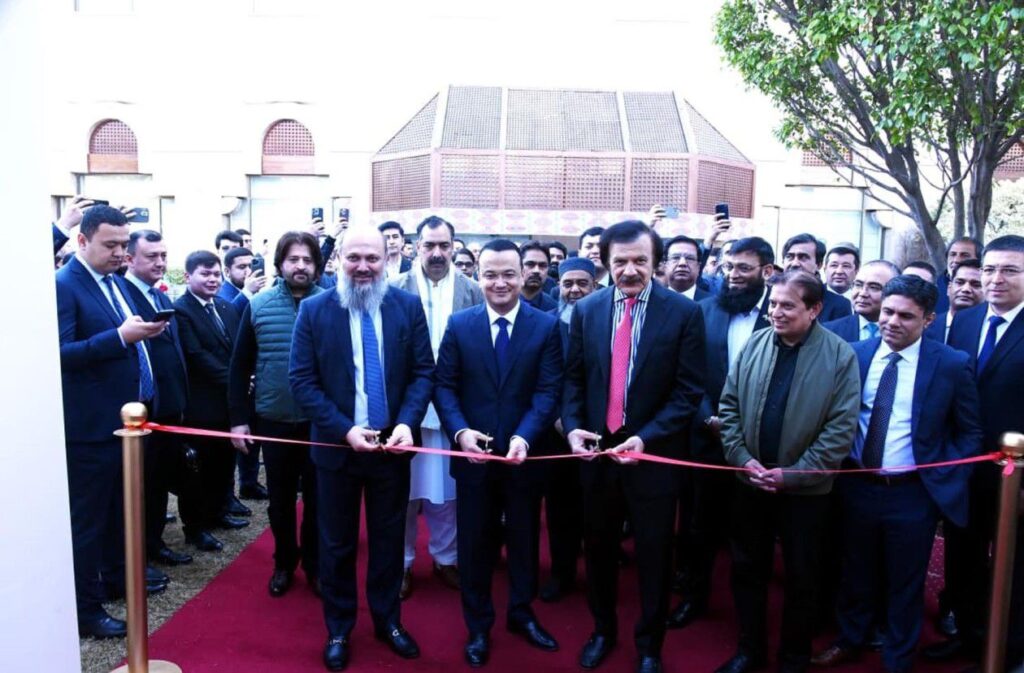
The high-level delegation included Federal Minister for Communications Abdul Aleem Khan, Minister for National Food Security Rana Tanvir Hussain, and Special Assistant on Industries and Production Haroon Akhtar Khan. This diplomatic engagement serves as a critical milestone in operationalizing the Preferential Trade Agreement (PTA) between the two nations.
Strengthening Trans-Regional Trade Corridors
The exhibition highlights
Uzbekistan’s industrial output, showcasing sectors ranging from advanced manufacturing to traditional handicrafts. Minister Jam Kamal Khan emphasized that such platforms are essential for fostering Business-to-Business (B2B) linkages and identifying joint venture opportunities.
Furthermore, the presence of the Minister for Communications underscores the strategic importance of the Trans-Afghan railway project and road infrastructure, which facilitate seamless transit between Central and South Asia.
Diversifying Industrial and Agricultural Cooperation
During the tour of the exhibition stalls, Pakistani officials lauded the quality of Uzbek export products. Minister Rana Tanvir Hussain highlighted significant potential for collaboration in agriculture and food processing technology. Consequently, the activation of the Pakistan-Uzbekistan Business Council is expected to streamline investment flows. Haroon Akhtar Khan noted that industrial partnerships remain a priority for stabilizing regional supply chains in the 2026 economic landscape.
Strategic Outlook
- Logistical Optimization: The continued emphasis on infrastructure by the Ministry of Communications suggests an accelerated timeline for the Uzbekistan-Afghanistan-Pakistan (UAP) railway project, reducing transit costs for landlocked Central Asian states.
- Trade Volume Expansion: Increased B2B engagement through the Business Council will likely see bilateral trade exceed current projections, specifically in the textile, pharmaceutical, and agricultural machinery sectors.
- Geopolitical Integration: This cooperation strengthens Pakistan’s role as a maritime gateway for Central Asia, aligning with the broader objectives of the Special Investment Facilitation Council (SIFC) and regional connectivity frameworks.
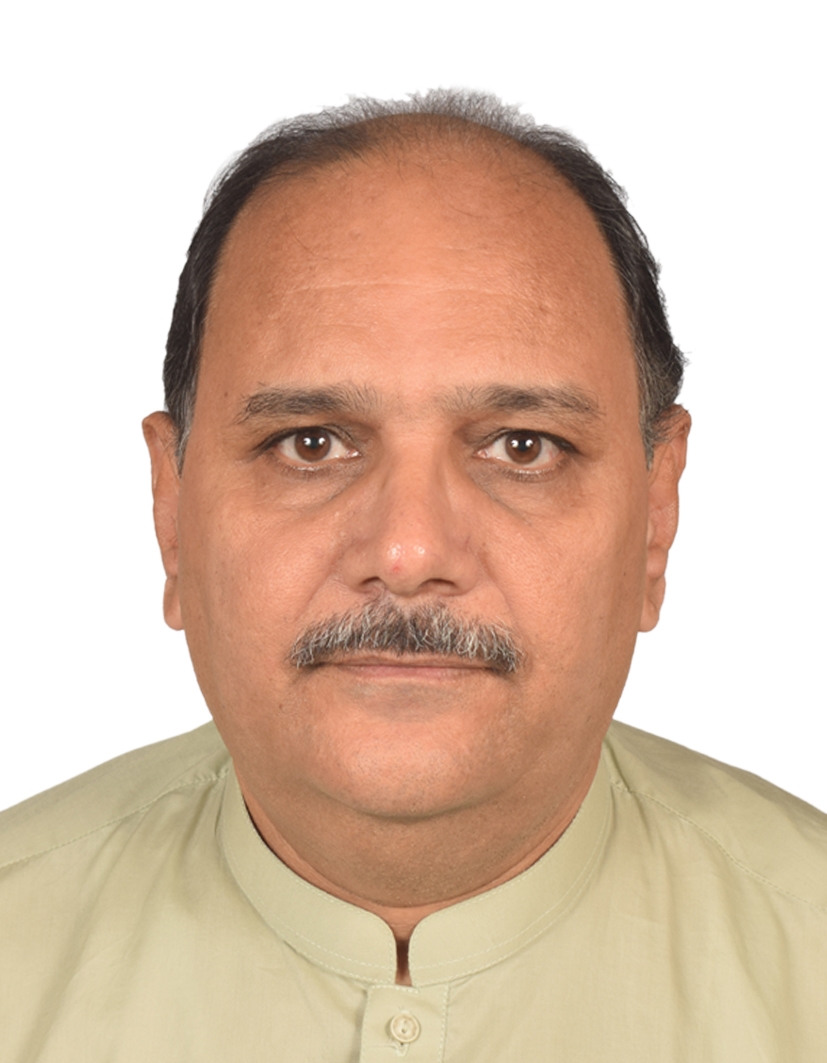
Khalid Minhas | Editor, Diplomatic Wire
A veteran journalist with three decades of comprehensive experience, Khalid Minhas has covered politics and international relations in depth throughout his career. He has also contributed to academia, teaching journalism and mass communication as a visiting faculty member at various universities in Pakistan. He holds an M.Phil in Mass Communication and is currently a Ph.D research scholar pursuing advanced studies in the field. He is also the author of the book America, Israel aur Islam, providing insightful analysis on the subject.