ABU DHABI — First Lady of Pakistan, Bibi Aseefa Bhutto Zardari, MNA, joined global heads of state and civil society leaders today at the 2026 Zayed Award for Human Fraternity Majlis. Attending at the invitation of the UAE government, the First Lady participated in high-level dialogues focused on the “Year of the Family,” an initiative spearheaded by UAE President Sheikh Mohamed bin Zayed Al Nahyan.
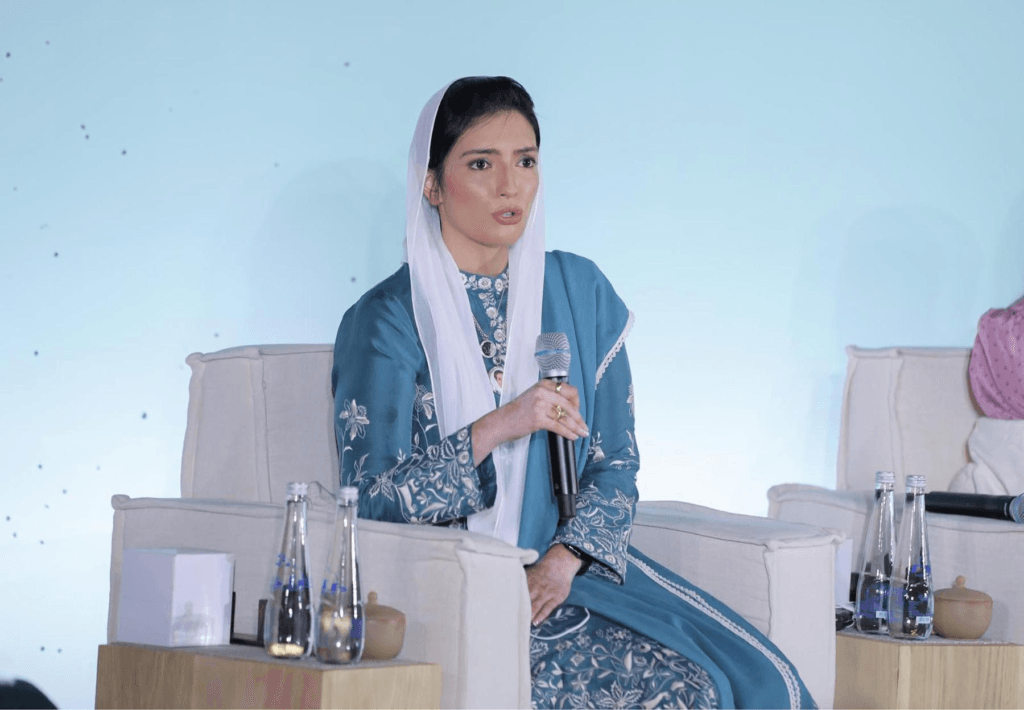
The First Lady’s engagement centered on the panel “Female Leadership at the Heart of Human Fraternity,” where she advocated for governance models rooted in empathy and community trust. During the session, she highlighted Pakistan’s Lady Health Workers (LHW) Programme as a global benchmark for state-to-household engagement. She noted that community-embedded initiatives are essential for the success of national objectives, including the 2026 nationwide polio eradication drive and HPV vaccination outreach.
Geopolitical Significance: Soft Power and Social Diplomacy
The First Lady’s presence in Abu Dhabi underscores a strategic deepening of the Pakistan-UAE bilateral relationship beyond traditional economic and defense ties. By aligning with the UAE’s “Year of the Family” and the Zayed Award platform, Pakistan is positioning itself as a key contributor to regional discourse on social cohesion and inclusive governance. This “social diplomacy” facilitates stronger institutional ties with Middle Eastern and Central Asian partners through shared values of cultural preservation and public health resilience.
Female Leadership and Public Trust
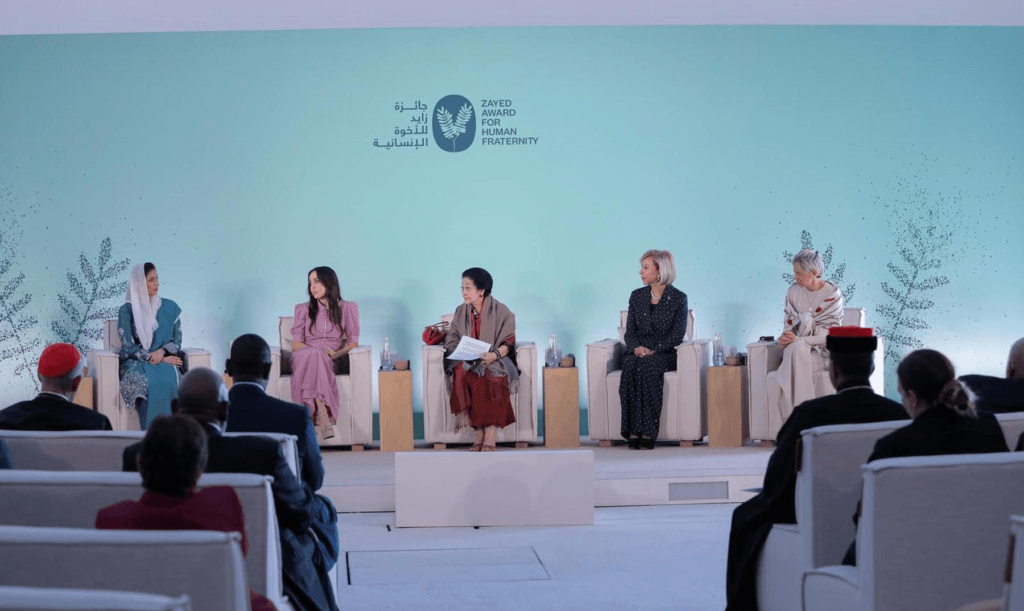
In a session moderated by The National Editor-in-Chief Mina Al-Oraibi, First Lady Aseefa Bhutto Zardari invoked the legacy of her mother, Shaheed Mohtarma Benazir Bhutto, to illustrate the necessity of moral courage in leadership. She argued that institutional trust is not mandated but earned through consistent, localized engagement.
Key Policy Highlights:
- The LHW Model: The First Lady described the LHW programme as a vital link between the state and the family unit, citing its success in navigating cultural nuances to deliver healthcare.
- Education as Partnership: Reflecting on her own education in the UAE, she emphasized that character-building requires a “virtuous triangle” between leadership, educators, and families.
- Multilateral Engagement: On the sidelines of the Majlis, the First Lady held consultations with several high-ranking women leaders, including:
- H.E. Saida Mirziyoyeva (Uzbekistan)
- H.E. Megawati Sukarnoputri (Indonesia)
- H.E. Leyla Aliyeva (Azerbaijan)
These interactions signal a growing consensus among Global South nations on the role of family-centric policies in achieving national stability and sustainable development.
Strategic Outlook
- Regional Social Alignment: Pakistan is likely to seek further formal collaborations with the UAE and Uzbekistan on educational reforms and social protection programs, mirroring the “Year of the Family” framework.
- Public Health Diplomacy: The success of the LHW model in Pakistan may lead to its adaptation or export as a technical assistance tool for other nations in the human fraternity network seeking to improve household-level state engagement.
- Strengthened UAE Ties: This visit reinforces the 2026 trajectory of Pakistan-UAE relations, moving toward a multi-dimensional partnership that integrates social development with broader economic and trade corridors.
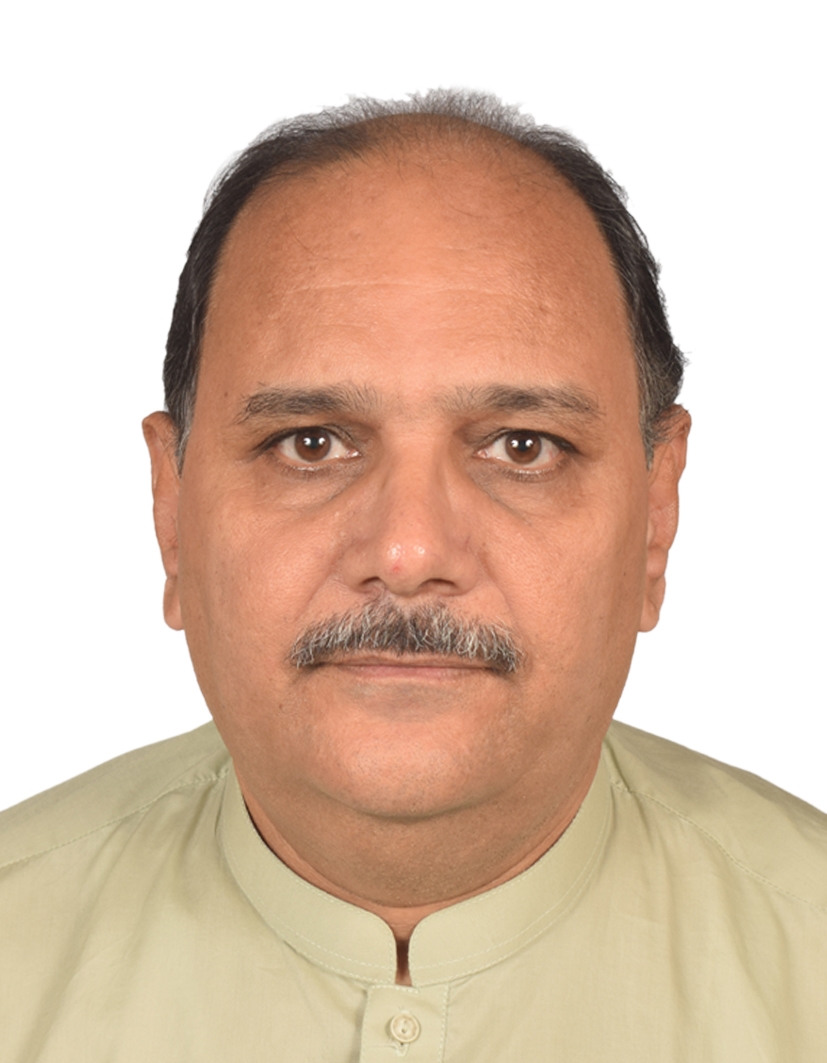
Khalid Minhas | Editor, Diplomatic Wire
A veteran journalist with three decades of comprehensive experience, Khalid Minhas has covered politics and international relations in depth throughout his career. He has also contributed to academia, teaching journalism and mass communication as a visiting faculty member at various universities in Pakistan. He holds an M.Phil in Mass Communication and is currently a Ph.D research scholar pursuing advanced studies in the field. He is also the author of the book America, Israel aur Islam, providing insightful analysis on the subject.