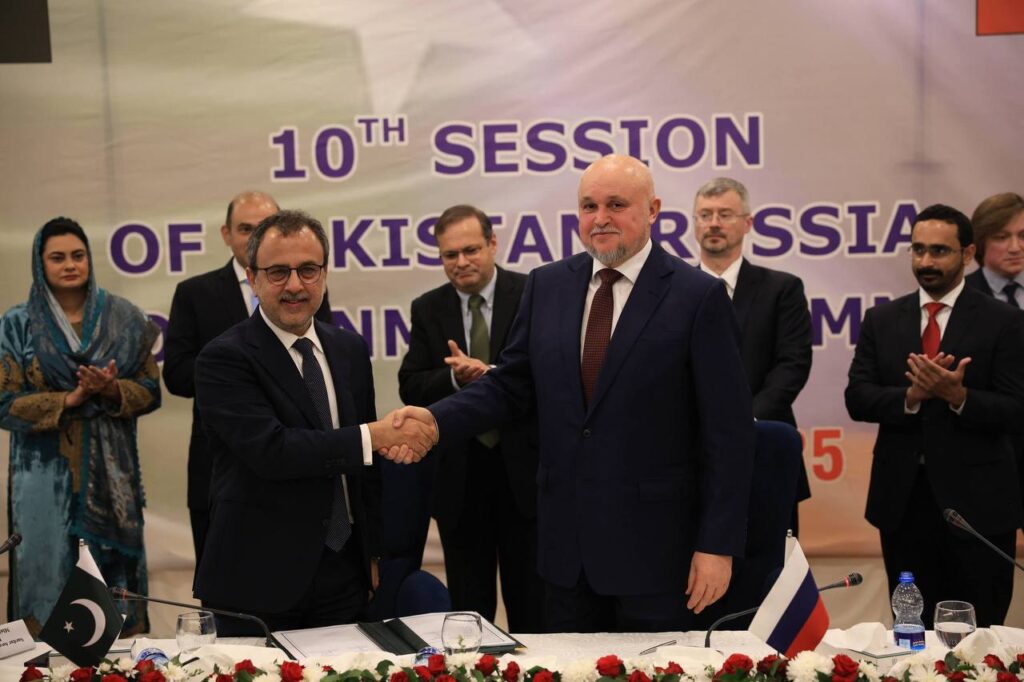
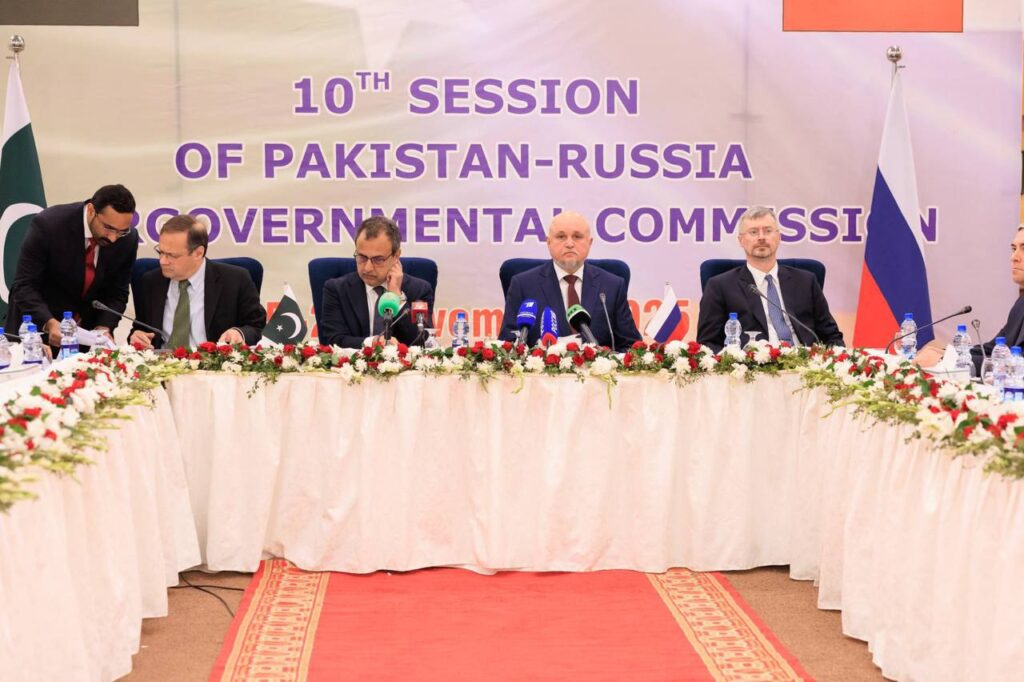
Pakistan and Russia have reaffirmed their commitment to strengthening bilateral cooperation following the conclusion of the 10th Russia–Pakistan Intergovernmental Commission (IGC), held in Islamabad from November 25 to 27. The meeting, co-chaired by Russian Energy Minister Sergei Tsivilev and Pakistan’s Federal Minister for Power Awais Leghari, produced substantial progress across multiple sectors, including trade, energy, education, and cultural exchange.
Trade Sees Expansion as Both Countries Aim to Boost Economic Ties
According to official discussions, 65% of Russia’s exports to Pakistan currently consist of agricultural products, making it the largest category of Russian goods entering Pakistan. The year 2025 also saw an increase in the supply of ferrous metals and pharmaceutical products to Pakistan.
Russia has expressed interest in expanding exports of wheat, fertilizer, and oil, while Pakistan continues to send significant volumes of textiles, leather goods, and food items to the Russian market — with textiles alone accounting for more than 60% of Pakistan’s exports to Russia.
Both countries agreed to reduce non-tariff barriers, simplify customs procedures, and work toward expanding bilateral trade volumes in the coming years.
Energy Cooperation Takes Center Stage
The energy sector remained a critical focus of the 10th IGC. Delegates reviewed potential cooperation in the supply of LNG and LPG, as well as collaboration in renewable energy and hydropower development.
The commission also examined new opportunities for joint mineral extraction, modernization of the Pakistan Steel Mills, and local production of insulin using Russian technology. These projects, officials said, could significantly enhance Pakistan’s industrial capacity.
Progress was also noted on launching test cargo shipments along the eastern corridor of the North–South International Transport Corridor (NS-ITC), a strategic route linking Russia with South Asia through Central Asia.
Agreements Reached in Science, Technology, and Higher Education
Russia and Pakistan agreed to deepen collaboration in science and technology, with plans to sign key agreements by the end of 2026. These agreements will include the mutual recognition of educational diplomas and cooperation in fields such as engineering, medicine, information technology, and space sciences.
Officials say the initiative will help boost academic exchanges and promote joint research partnerships between institutions in both countries.
Four Key Documents Signed
The meeting concluded with the signing of several important documents:
- The Final Protocol of the 10th IGC
- An MoU between Sputnik News Agency and Associated Press of Pakistan (APP)
- An MoU between Rosstandart and the Pakistan Standards and Quality Control Authority (PSQCA)
- An MoU between the Russian Federal Antimonopoly Service and Pakistan’s Competition Commission (CCP)
These agreements aim to enhance collaboration in media, competition regulation, and standards development.
Cultural Diplomacy Highlighted Through Events in Islamabad
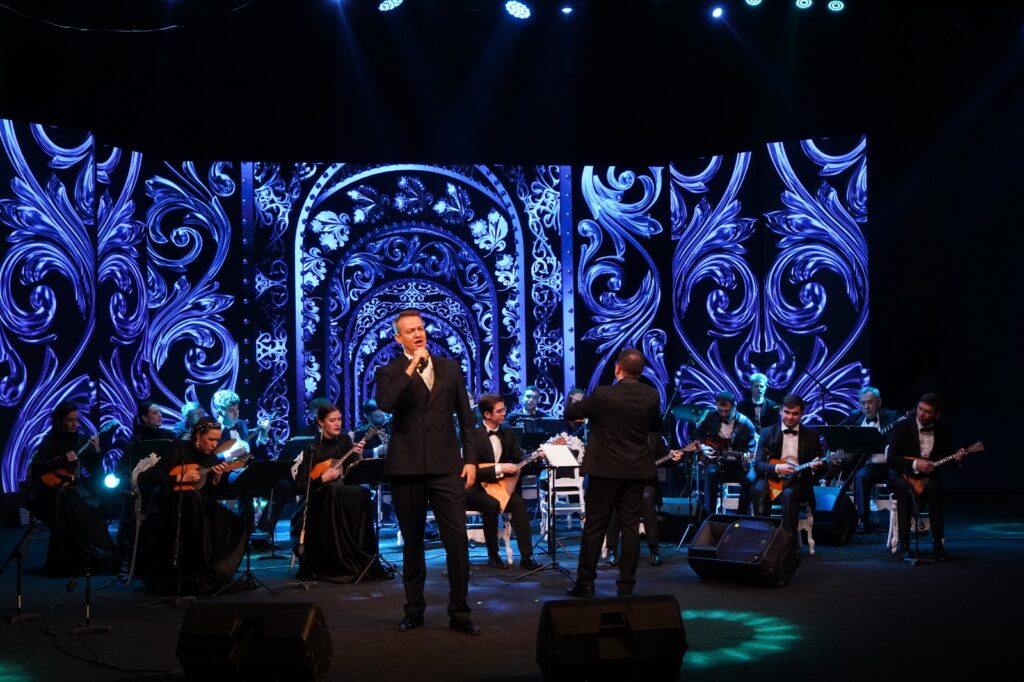
The Russian delegation also took part in a series of cultural engagements aimed at strengthening people-to-people ties. These included a visit to the I-8 Model College for Boys, a commemorative meeting between Pakistani survivors of the 2005 earthquake and Russian rescuers, and a joint folk music concert at the Pakistan National Council of the Arts.
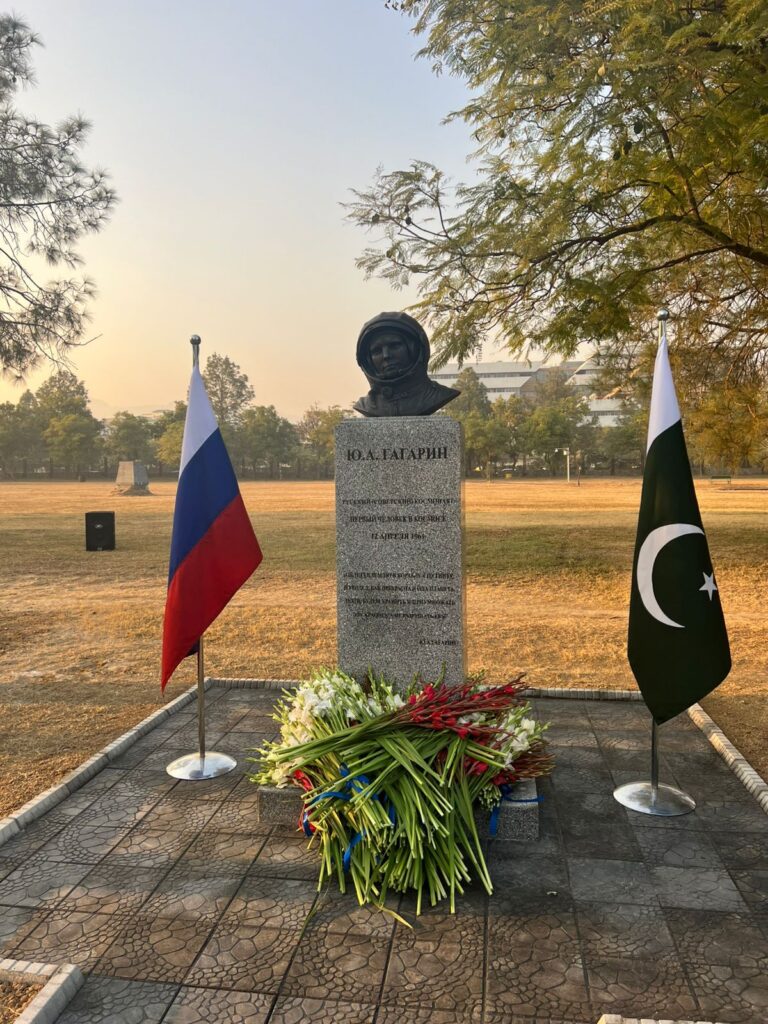
A monument honoring Yuri Gagarin, the world’s first cosmonaut, was also unveiled in F-9 Park, symbolizing the countries’ cooperation in science and space exploration.
Officials Praise Constructive Dialogue
Concluding the event, Minister Sergei Tsivilev and Minister Awais Leghari expressed satisfaction with the progress achieved, emphasizing their mutual commitment to implementing the decisions taken during the three-day session.
Both leaders reaffirmed their intent to continue strengthening ties based on mutual respect, shared interests, and long-term cooperation across strategic sectors.
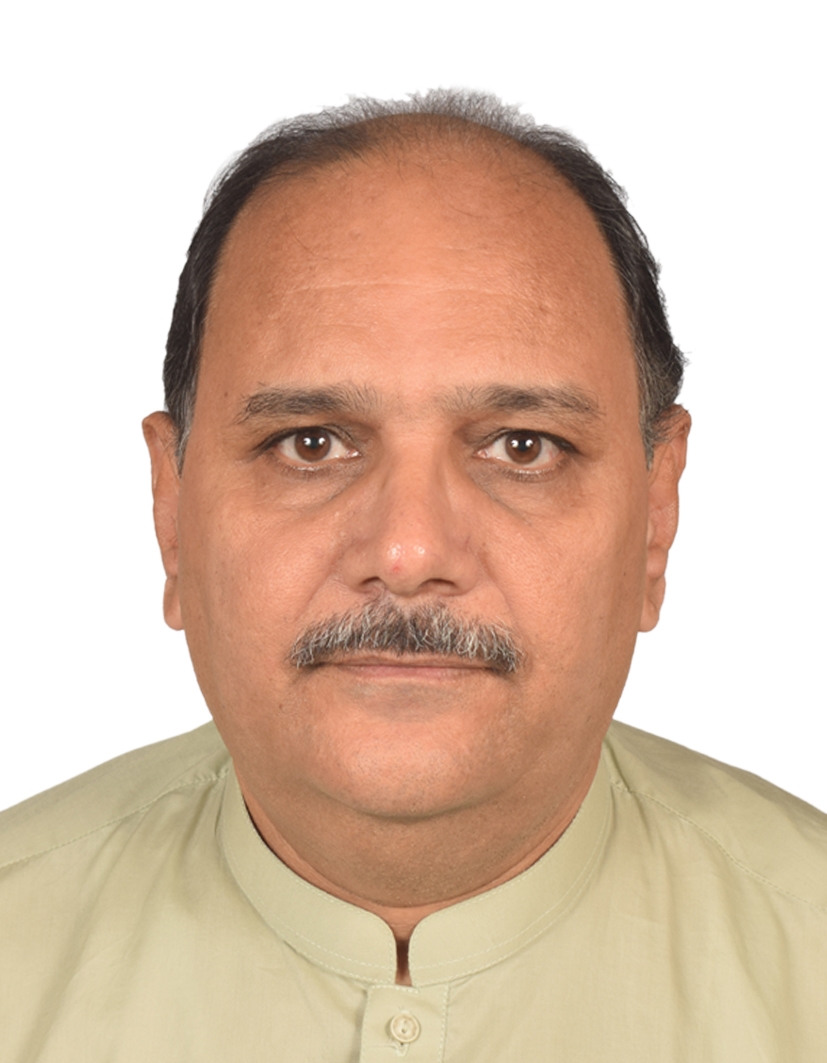
Khalid Minhas | Editor, Diplomatic Wire
A veteran journalist with three decades of comprehensive experience, Khalid Minhas has covered politics and international relations in depth throughout his career. He has also contributed to academia, teaching journalism and mass communication as a visiting faculty member at various universities in Pakistan. He holds an M.Phil in Mass Communication and is currently a Ph.D research scholar pursuing advanced studies in the field. He is also the author of the book America, Israel aur Islam, providing insightful analysis on the subject.