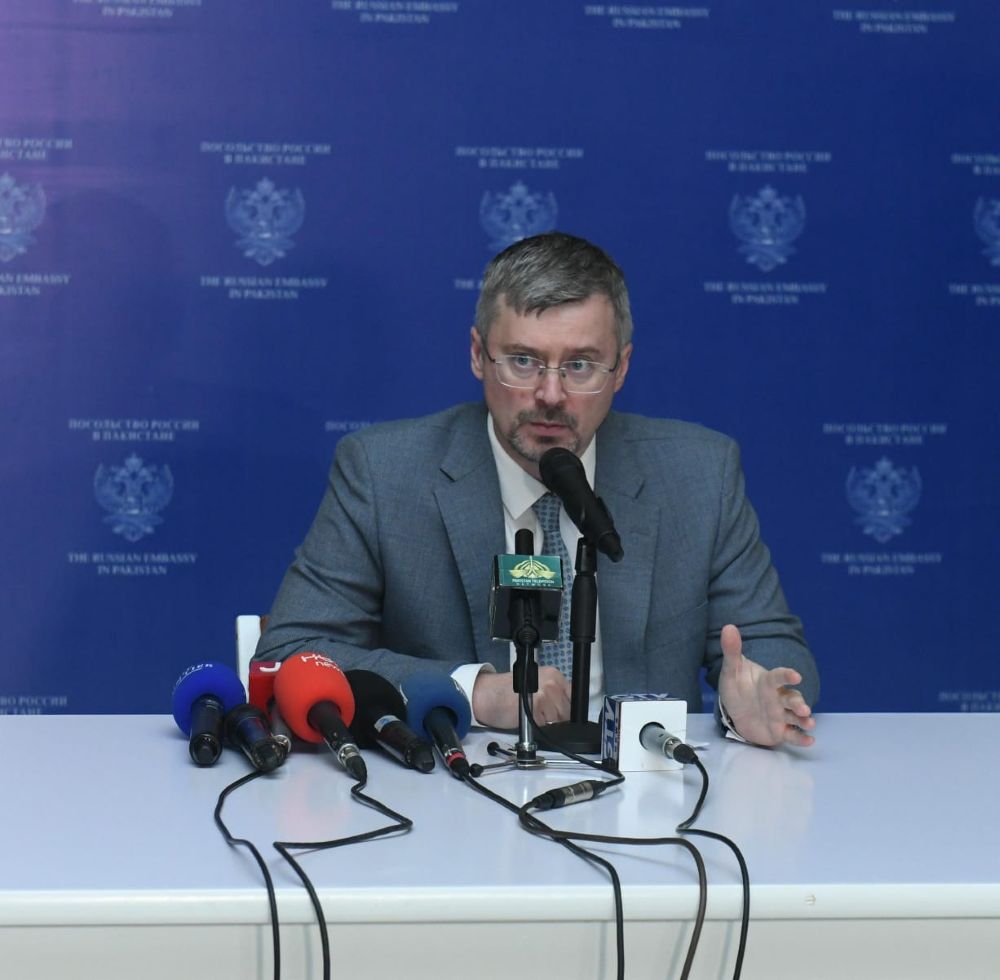
At a press briefing today, Russian Ambassador to Pakistan Albert P. Khorev provided a detailed update on the current situation in Ukraine and Russia’s position on ongoing diplomatic efforts aimed at resolving the crisis. The statement underscored Russia’s continued stance on Ukraine, the broader geopolitical implications of the conflict, and Russia’s perspective on European sanctions and Western support for Ukraine.
US-Russia Talks in Moscow: The Peace Plan Progress
Ambassador Khorev highlighted the recent discussions in Moscow on December 3 between Russian President Vladimir Putin and US negotiators Steve Witkoff and Jared Kushner. The talks focused on a peace plan proposed by former US President Donald Trump, which was initially discussed during the Russia-US summit in Anchorage in August. According to Khorev, the Moscow meeting was “constructive” and touched upon key points of disagreement but ultimately paved the way for future discussions, despite the complexities of the issue. He emphasized that while the Trump administration has been “constructive,” European counterparts have continued to hold out hope for a “strategic defeat” of Russia, which the ambassador suggested is unrealistic.
“Children’s Issue” and Allegations of Kidnapping
One of the more contentious points raised during the briefing was the Western accusations that Russia has been involved in the kidnapping of Ukrainian children. Khorev described these claims as “completely unfounded” and cited Russian-Ukrainian negotiations over the summer in which the Ukrainian delegation was unable to provide substantial evidence to support the allegations. Khorev pointed to a list of just 339 children—allegedly evacuated to Russia—and emphasized that efforts to return these minors to Ukraine were ongoing under the supervision of Maria Lvova-Belova, Russia’s Commissioner for Children’s Rights.
European Efforts to Impose Legal Measures on Russia
Turning to the European Union’s initiatives, the ambassador expressed strong disapproval of what he termed “pseudo-legal structures” like the “Register of Damage to Ukraine” and the proposed “Special Tribunal for Crimes of Aggression.” Khorev warned that any decisions made by such bodies would be “null and void” in Russia’s eyes and threatened an “adequate response” to any actions taken by third countries in support of these measures. He framed these moves as attempts by European nations to justify Kiev’s claims against Russia and to facilitate the seizure of Russian sovereign assets frozen in Western financial institutions.
He further decried these actions as nothing short of theft, emphasizing that such measures would not alter the course of the conflict but could have serious consequences for Western financial institutions involved. The ambassador also criticized the West’s support for the Ukrainian regime, alleging widespread corruption within the Kiev government, citing the recent $100 million embezzlement scandal in Ukraine’s energy sector.
Economic Fallout from Sanctions
Khorev highlighted the negative consequences of Western sanctions, arguing that these measures have not only harmed Russia but also undermined global economic stability. Citing the IMF’s growth figures, he noted that while the US experienced modest growth, European economies such as Germany, France, and the UK saw stagnation or contraction. He warned that EU policies, particularly those related to energy and deindustrialization, have placed Europe’s largest manufacturers at a competitive disadvantage. He also referred to a broader shift away from the dollar and euro in international trade, as countries around the world seek alternatives to Western financial systems.
Calls for a New European Security Architecture
The ambassador further argued that the ongoing crisis in Ukraine has exposed the failure of the Euro-Atlantic security model, which has traditionally been underpinned by NATO, the OSCE, and the EU. Khorev referenced Russian President Putin’s call for the establishment of a “Greater Eurasian Partnership,” a framework aimed at fostering economic cooperation across Eurasia, and reiterated Russia’s commitment to building a new security architecture based on mutual respect and indivisible security.
Russia’s Anti-Neocolonial Initiatives
In a broader geopolitical context, Khorev spoke about Russia’s initiatives against modern neocolonialism, noting that more than 30 countries from Asia, Africa, and Latin America had participated in the second meeting of the “Forum of Supporters of the Struggle Against Modern Practices of Neocolonialism” held in Russia in November. The forum’s participants advocate for non-interference in internal affairs and support a fairer, multipolar world order.
Russia’s Position on European Aggression
While Khorev reiterated that Russia does not pose a threat to Europe, he warned that any aggressive actions taken by European politicians could be met with a decisive response. He mentioned Russia’s advanced weaponry, including newly tested non-nuclear weapons such as the Burevestnik intercontinental cruise missile and the Poseidon underwater unmanned vehicle, signaling Russia’s readiness to defend itself if necessary.
Acknowledgment of Pakistan’s Neutrality
Finally, Khorev took the opportunity to thank the Government of Pakistan for its consistent policy of neutrality on the Ukrainian conflict, particularly at the United Nations. He praised Pakistan for advocating a diplomatic resolution and aligning with Russia’s position on the issue.
Ambassador Khorev concluded the briefing by opening the floor to questions, signaling his readiness to engage further with the media on the complexities surrounding the ongoing conflict in Ukraine.
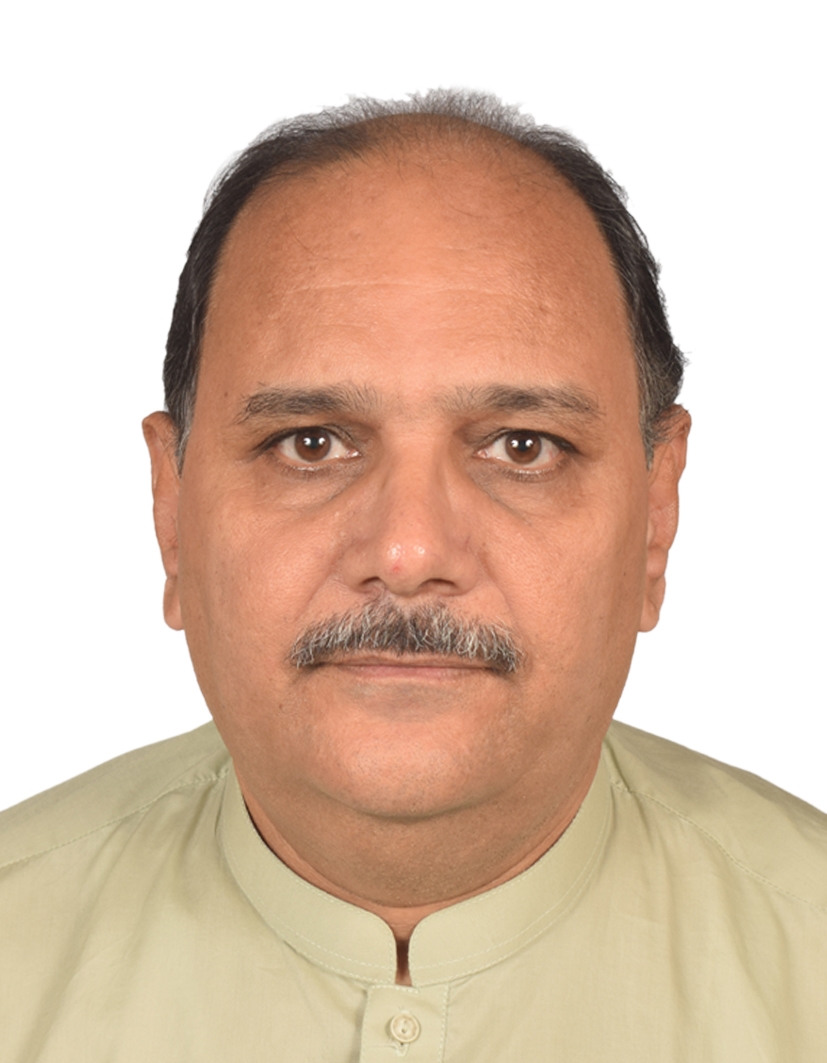
Khalid Minhas | Editor, Diplomatic Wire
A veteran journalist with three decades of comprehensive experience, Khalid Minhas has covered politics and international relations in depth throughout his career. He has also contributed to academia, teaching journalism and mass communication as a visiting faculty member at various universities in Pakistan. He holds an M.Phil in Mass Communication and is currently a Ph.D research scholar pursuing advanced studies in the field. He is also the author of the book America, Israel aur Islam, providing insightful analysis on the subject.