ISLAMABAD — As Pakistan marks its 79th Independence Day on Friday, August 14, Russian Ambassador to Pakistan Albert P. Khorev issued an official diplomatic message extending warm congratulations to the government and people of Pakistan, reaffirming Moscow’s commitment to expanding bilateral cooperation across South Asia and Eurasia.
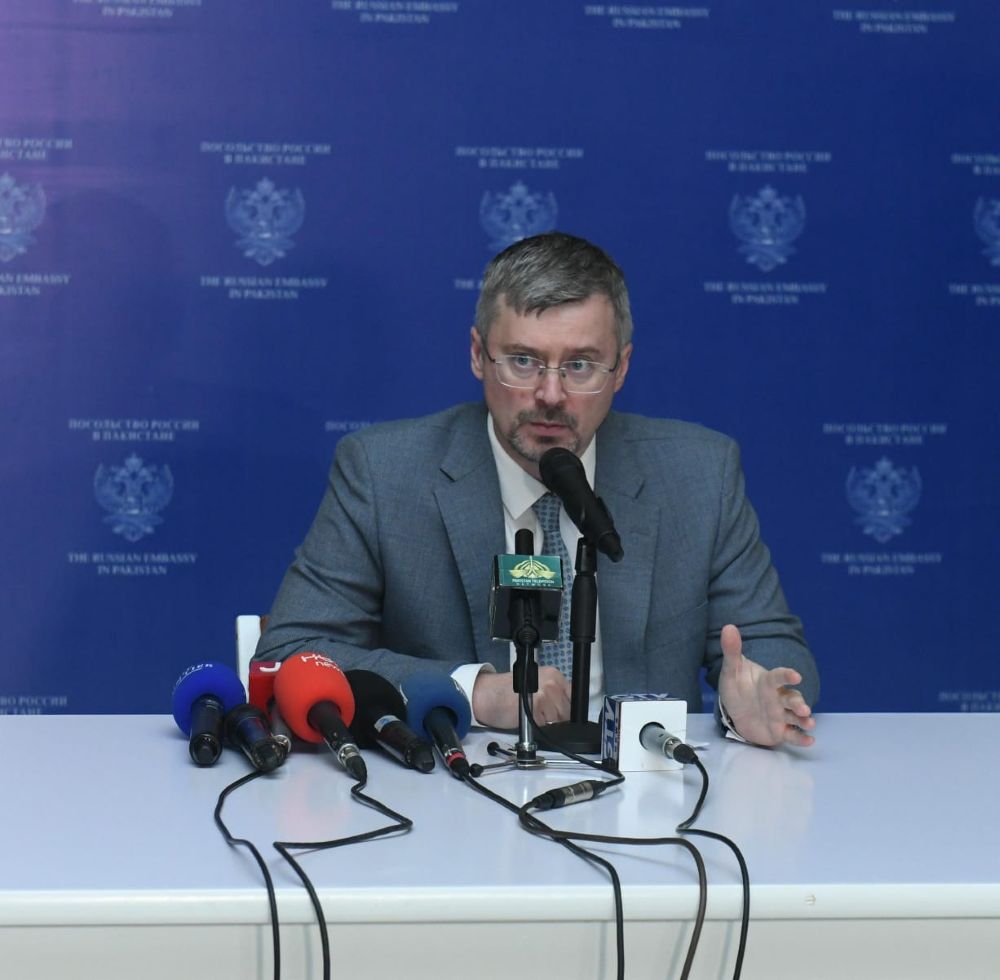
The congratulatory dispatch, released by the Embassy of the Russian Federation in Islamabad, praised the historic spirit and resilience of the Pakistani nation while underscoring the steady trajectory of Moscow-Islamabad partnership. The envoy’s statement reflects a broader geopolitical realignment in Eurasia, where historic coldness between the two nations has increasingly given way to pragmatic collaboration in energy, commerce, and regional security.
https://www.facebook.com/share/v/1LUxQJoXwD
Key Details of the Envoy’s Message
In his formal address titled “Rus-Pak Dosti Paindabad” (Long Live Russia-Pakistan Friendship), Ambassador Khorev highlighted the foundational principles guiding Pakistan’s statehood and expressed confidence in the future of Moscow-Islamabad relations.
“This holiday is a testament to the courage, determination and strong spirit of the Pakistani people. Over the decades, Pakistan has built its own path of development, guided by the ideals and aspirations of its founding fathers,” Ambassador Khorev stated.
The envoy specifically emphasized the longstanding mutual respect underpinning bilateral interaction between the two nations:
“On this special occasion, I would like to highlight the traditionally friendly and mutually respectful relations between Russia and Pakistan. Our countries share a long history of cooperation and maintain close, constructive contacts in many areas. I am confident that together we will continue to strengthen mutual understanding and expand our partnership for the benefit of our two nations.”
Closing his message with traditional Urdu slogans of solidarity, the ambassador wished peace, stability, and economic prosperity to the people of Pakistan.
Deepening Economic and Energy Alliances
While diplomatic messages on national holidays are standard practice, Ambassador Khorev’s statement comes during a period of accelerated economic and strategic convergence between Moscow and Islamabad.
According to Reuters, commercial exchanges between the two countries have expanded dramatically despite international economic sanctions and financial processing hurdles. Bilateral trade volume, which stood at under $700 million in 2021, reached a record high of approximately $1.3 billion, driven predominantly by Russian crude oil shipments, agricultural commodities, and fertilizer exports to Pakistani markets.
Energy cooperation has emerged as the principal pillar of this evolving relationship. Following initial trial shipments of Russian Urals crude, Pakistan has integrated discounted Russian crude oil into its domestic refining operations. Simultaneously, high-level technical negotiations continue regarding the proposed Pakistan Stream Gas Pipeline project alongside broader discussions to integrate Pakistan’s deep-water Gwadar Port into the International North-South Transport Corridor (INSTC)—a multimodal transit architecture connecting Russia, Iran, Central Asia, and the Arabian Sea.
Why It Matters
The diplomatic warmth showcased in Ambassador Khorev’s statement underscores how the geopolitical balance of South Asia has transformed over the past decade. Historically aligned with opposing diplomatic blocks during the Cold War era, both Moscow and Islamabad have actively recalibrated their foreign policy priorities toward Eurasian regionalism.
Al Jazeera reported that high-level political contacts have intensified significantly, underscored by recent bilateral exchanges between Pakistani Deputy Prime Minister and Foreign Minister Ishaq Dar and Russian Foreign Minister Sergey Lavrov on the sidelines of international summits. Both capitals share common strategic objectives regarding regional stability in South and Central Asia, counter-terrorism coordination, and commercial connectivity under the umbrella of the Shanghai Cooperation Organisation (SCO) and the United Nations.
For Islamabad, maintaining strong diplomatic and economic ties with Moscow provides essential energy security, access to vast Eurasian agricultural markets, and greater diplomatic flexibility amidst complex global power shifts. For Moscow, deepening engagement with Pakistan—a nuclear-armed state of over 240 million people sitting at the crossroads of South, Central, and West Asia—is vital to its broader strategic pivot toward the Global East and South.
What Comes Next
Following the Independence Day commemorations, diplomatic teams from both capitals are expected to finalize details for upcoming high-level visits and trade delegations aimed at expanding the Pakistan-Russia Intergovernmental Commission on Trade, Economic, Scientific, and Technical Cooperation.
As both nations move forward with negotiations on a potential free trade agreement with the Eurasian Economic Union (EAEU), market observers will closely monitor progress on alternative cross-border payment mechanisms and direct logistics routes designed to sustain bilateral momentum in the months ahead.
FAQ
Q1: What did Russian Ambassador Albert P. Khorev say on Pakistan’s Independence Day?
Ambassador Khorev extended his warmest congratulations to the people of Pakistan, praising their resilience and founding spirit while reaffirming Russia’s commitment to deepening friendly, mutually respectful bilateral relations and economic partnership.
Q2: How have Russia Pakistan diplomatic relations evolved recently?
Bilateral ties have strengthened significantly, characterized by expanding trade volume—reaching approximately $1.3 billion—increased Russian crude oil exports to Pakistan, joint security dialogues, and collaboration within regional frameworks such as the Shanghai Cooperation Organisation (SCO).
Q3: What are the main areas of economic cooperation between Russia and Pakistan?
Key areas of economic collaboration include energy (crude oil imports and gas infrastructure development), agricultural trade (fertilizers, wheat, and fruits), logistics transit through Eurasian trade corridors, and industrial machinery exchanges.
Q4: How does Pakistan benefit from stronger diplomatic ties with Russia?
Pakistan gains access to energy resources at competitive prices, diversifies its commercial partnerships across Eurasia, enhances regional security coordination, and strengthens transit connectivity linking Central Asia and the Arabian Sea.
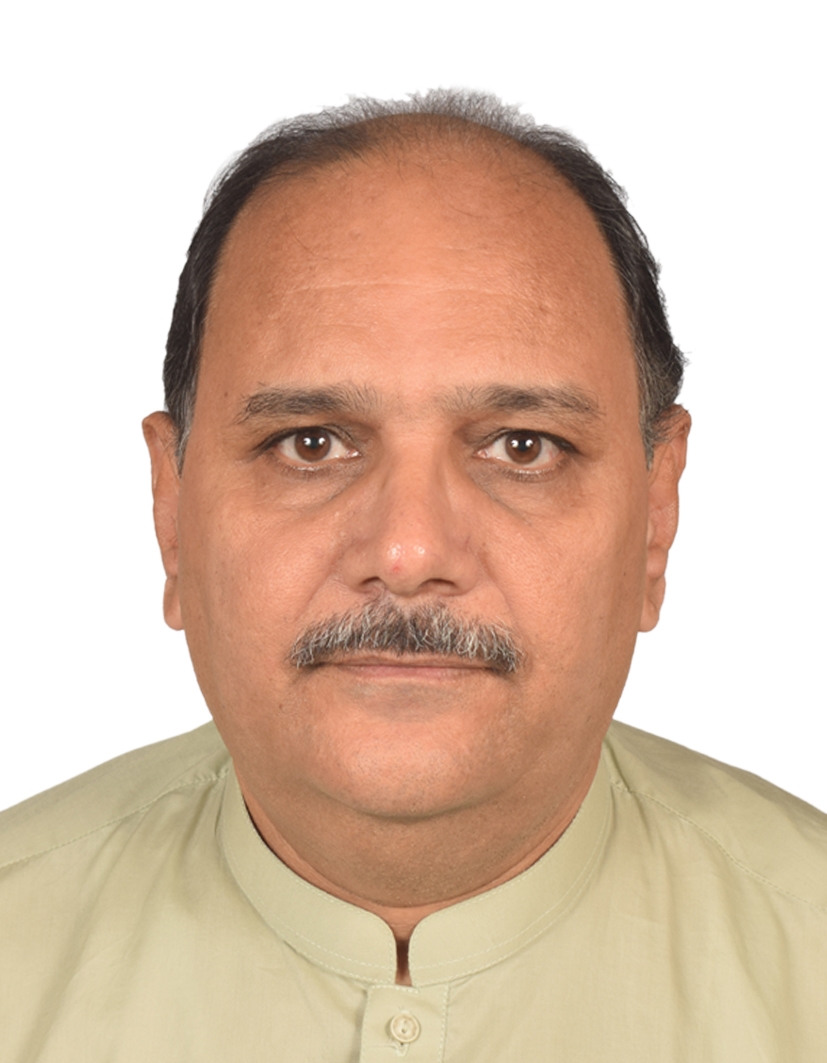
Khalid Minhas | Editor, Diplomatic Wire
A veteran journalist with three decades of comprehensive experience, Khalid Minhas has covered politics and international relations in depth throughout his career. He has also contributed to academia, teaching journalism and mass communication as a visiting faculty member at various universities in Pakistan. He holds an M.Phil in Mass Communication and is currently a Ph.D research scholar pursuing advanced studies in the field. He is also the author of the book America, Israel aur Islam, providing insightful analysis on the subject.