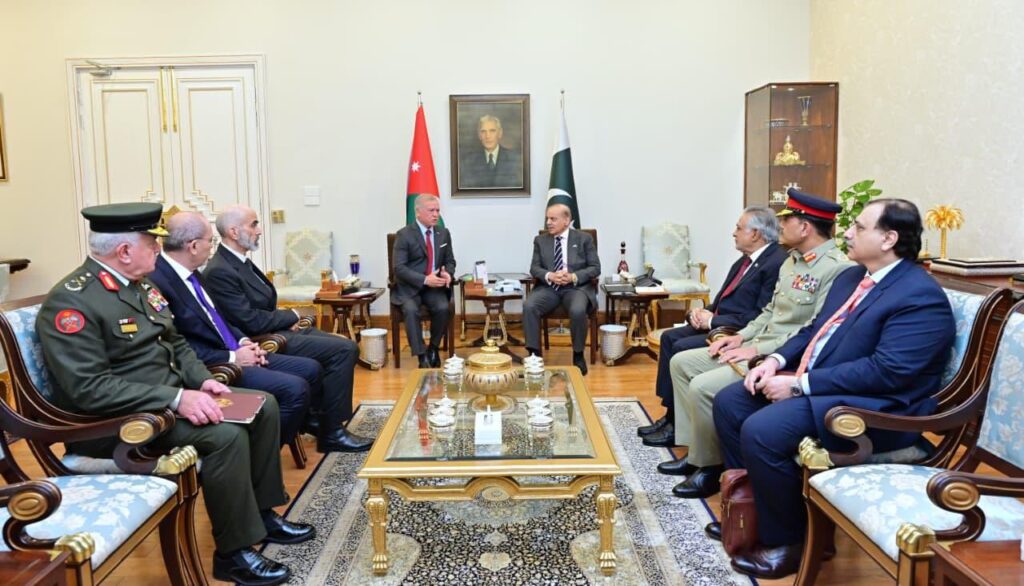
Pakistan and Malaysia have finalized an International Prisoner Transfer Agreement in Islamabad. The bilateral pact allows nearly 400 Pakistani detainees to serve out their prison sentences closer to home.
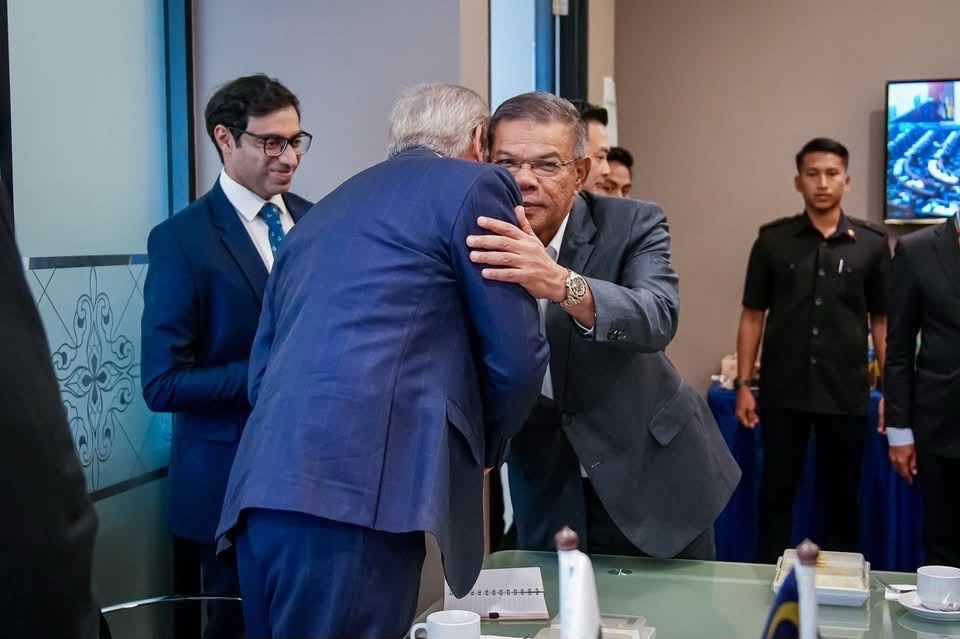
ISLAMABAD — Pakistani nationals detained in Malaysian prisons will soon be eligible to finish their sentences on home soil following the formal signing of a bilateral Pakistan Malaysia Prisoner Transfer Agreement in the nation’s capital.
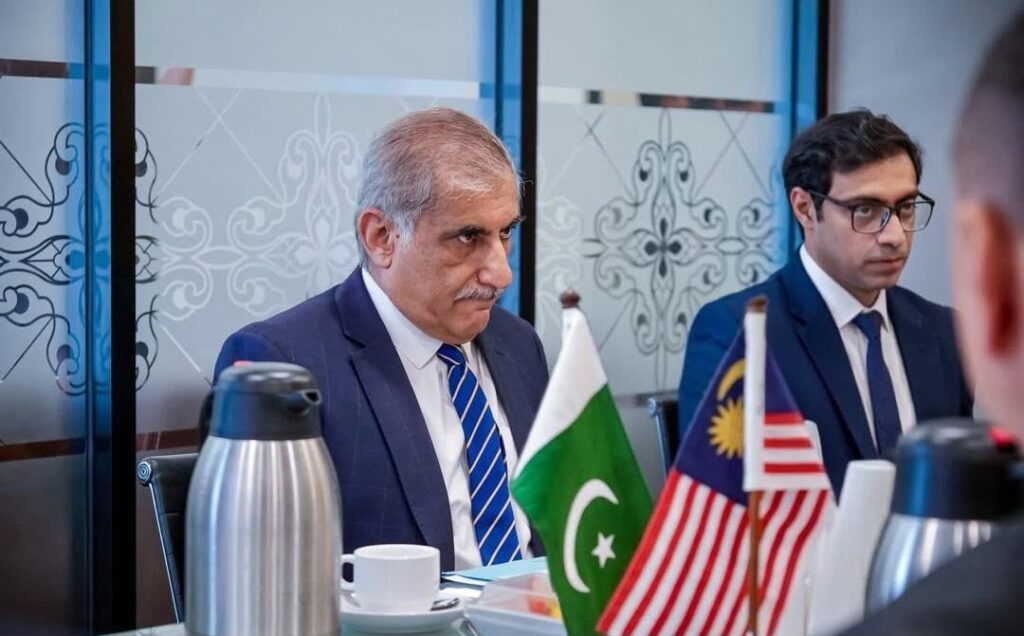
Malaysian Minister of Home Affairs Datuk Seri Saifuddin Nasution Ismail arrived in Islamabad on a state visit to execute the landmark pact alongside Pakistan’s Minister of Interior Mohsin Naqvi. The accord establishes a formal legal framework allowing sentenced citizens from both nations to be repatriated to serve their remaining court-ordered detentions in their home countries.
Senior diplomatic officials described the accord as a historic breakthrough, noting that Pakistan remains among a small group of select nations to establish an International Prisoner Transfer Agreement with Kuala Lumpur.
Consular records show that approximately 384 Pakistani citizens are currently incarcerated across various detention centers and correctional facilities in Malaysia. These individuals are serving sentences ranging from minor infractions—such as overstaying visas, immigration violations, and petty theft—to major offenses including drug trafficking and murder.
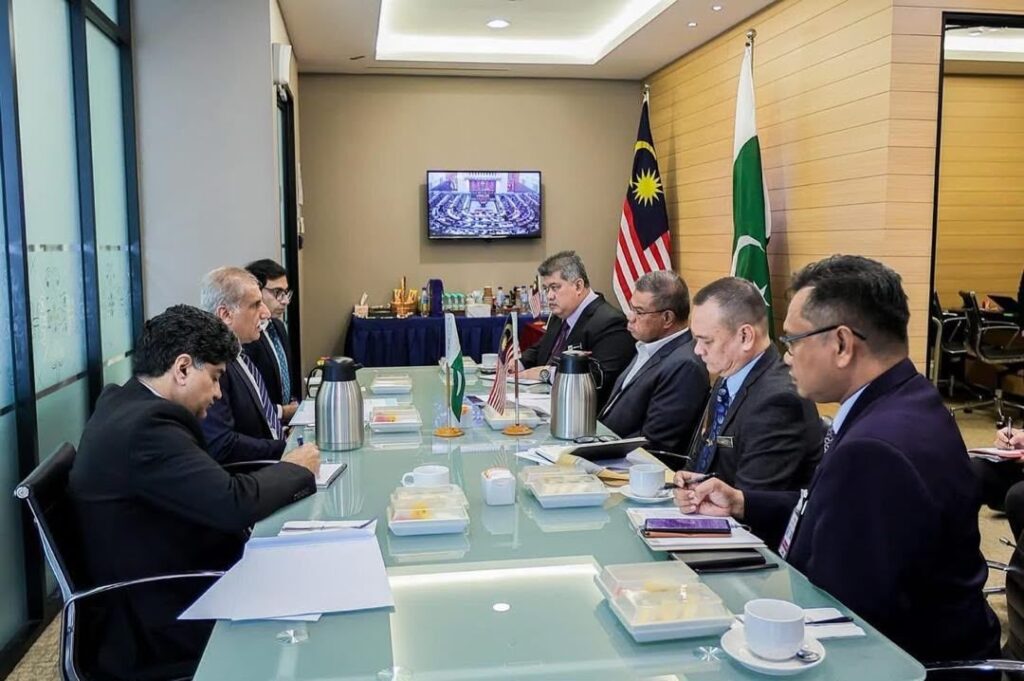
Behind the successful negotiations was a multi-month diplomatic campaign coordinated by the High Commission of Pakistan in Kuala Lumpur. Detailing the mechanics of the breakthrough, Community Welfare Attaché Hamza Naveed highlighted that the embassy’s Community Welfare Wing maintained relentless liaison with Malaysia’s Ministry of Home Affairs, immigration chiefs, and prison management boards.
”Our primary imperative has been human dignity and humanitarian care,” Hamza Naveed observed during briefings on the effort. “By establishing a clear transfer protocol, we ensure that detainees can complete their legal sentences in an environment where family visits are accessible, rehabilitation programs are culturally aligned, and human rights safeguards are reinforced.”
The accord represents a significant evolution in South-South consular assistance. Historically, foreign nationals serving long-term prison sentences in Southeast Asia faced severe isolation due to language barriers, limited family contact, and complex legal administrative hurdles.
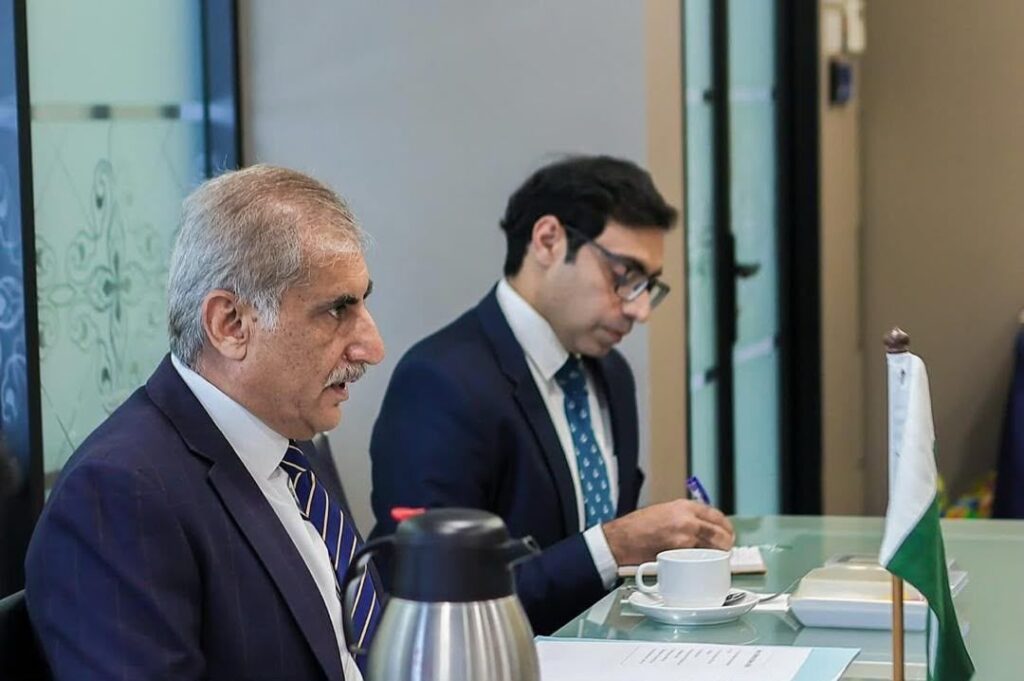
Beyond its humanitarian dimensions, the deal signals a deepening of bilateral state relations between Islamabad and Kuala Lumpur. Both governments have expressed a desire to expand administrative and security cooperation, utilizing this treaty as a foundation for broader law enforcement and judicial partnerships across South and Southeast Asia.
Consular teams are preparing the administrative groundwork to operationalize transfers as soon as the treaty’s ratification paperwork is formally exchanged. The High Commission in Kuala Lumpur confirmed that its welfare officials will continue prioritizing early repatriation for eligible convicts, providing timely legal support, and maintaining active oversight of detention conditions for Pakistani nationals abroad.
FAQ:
Q1: What is the Pakistan Malaysia Prisoner Transfer Agreement?
A1: It is a bilateral treaty that allows convicted citizens of Pakistan and Malaysia to serve the remainder of their prison sentences in their home country rather than in foreign correctional facilities.
Q2: How many Pakistani prisoners in Malaysia are impacted by this deal?
A2: Approximately 384 Pakistani nationals currently detained in Malaysian facilities across various criminal and immigration charges are potentially eligible under the treaty’s provisions.
Q3: Who signed the prisoner transfer agreement?
A3: The agreement was signed in Islamabad by Malaysia’s Minister of Home Affairs, Datuk Seri Saifuddin Nasution Ismail, and Pakistan’s Minister of Interior, Mohsin Naqvi.
Q4: What role did the Pakistani High Commission play in the treaty?
A4: The High Commission of Pakistan in Kuala Lumpur, particularly through Community Welfare Attaché Hamza Naveed and his team, conducted months of direct negotiations with Malaysian prison and immigration authorities to secure the deal.
Q5: When can prisoners expect to be transferred back to Pakistan?
A5: Prisoner transfers will begin following the official administrative setup and verification process coordinated by consular and law enforcement agencies in both nations.

Khalid Minhas | Editor, Diplomatic Wire
A veteran journalist with three decades of comprehensive experience, Khalid Minhas has covered politics and international relations in depth throughout his career. He has also contributed to academia, teaching journalism and mass communication as a visiting faculty member at various universities in Pakistan. He holds an M.Phil in Mass Communication and is currently a Ph.D research scholar pursuing advanced studies in the field. He is also the author of the book America, Israel aur Islam, providing insightful analysis on the subject.