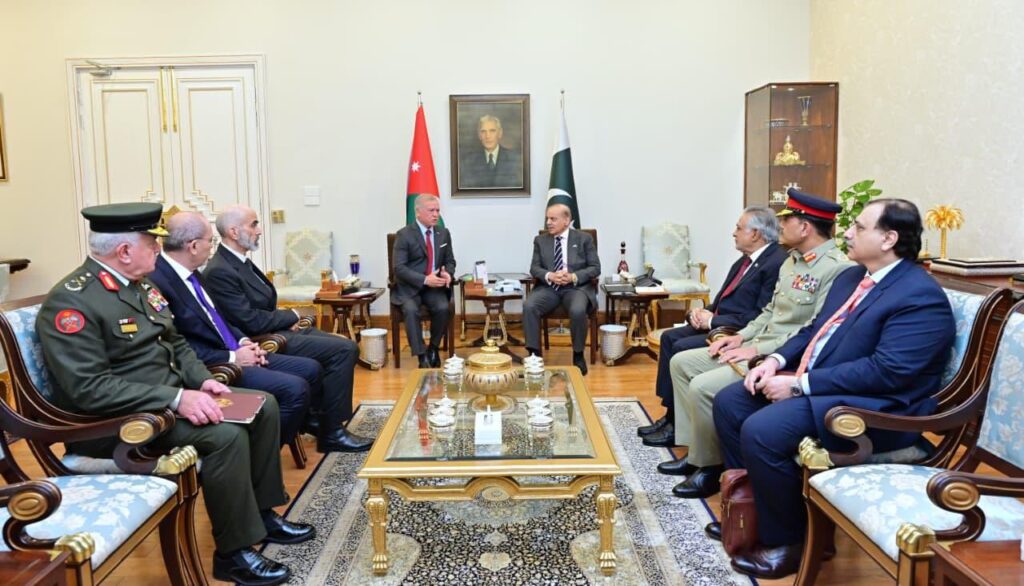
Diplomats in Islamabad and Washington are reviewing a high-stakes US-Iran peace proposal aimed at halting the two-month conflict. The one-page memorandum seeks to stabilize the Strait of Hormuz but leaves deep-seated nuclear tensions for future negotiation.
By Thursday evening, the weight of a two-month war had been compressed into a single sheet of paper. Sources in Islamabad and Washington confirm that a “one-page memorandum” is currently sitting on desks in Tehran and the White House—a document that could formally end the 2026 Iran war, yet notably lacks the signatures required for a lasting peace.
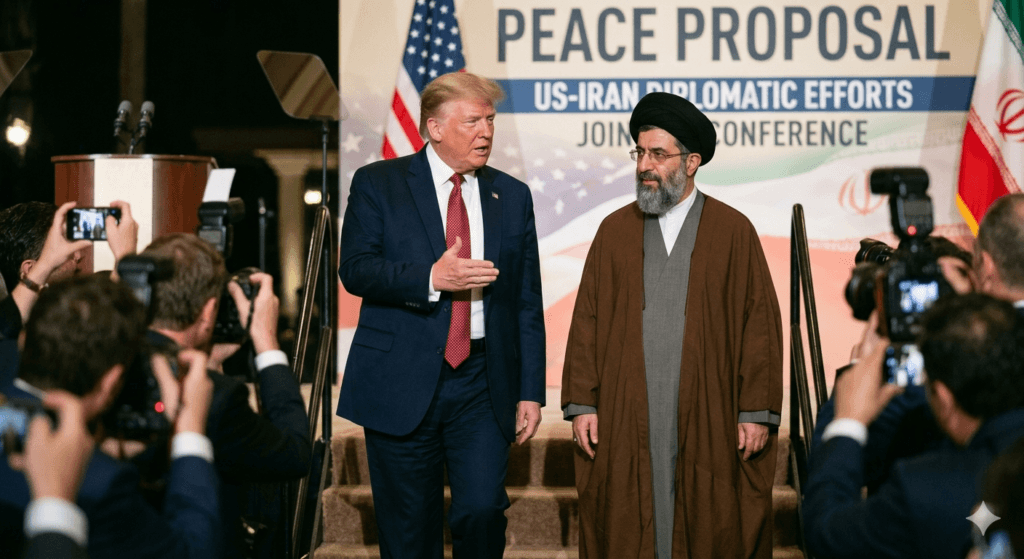
This US-Iran peace proposal, a product of grueling mediation led by Pakistan, represents a tactical retreat from the “all-or-nothing” diplomacy that has characterized the conflict since the joint US-Israeli strikes on February 28. Rather than a comprehensive settlement, the deal is being described by officials as a “stopgap” aimed at two immediate goals: stopping the missiles and reopening the Strait of Hormuz blockade.
US-Iran Peace Proposal : The Three-Stage Exit Ramp
According to Pakistani foreign ministry spokesperson Tahir Andrabi, the framework is designed to unfold in three distinct, high-stakes phases:
- Hostility Cessation: An immediate, formal end to the state of war.
- Maritime De-escalation: Specific protocols to restore the flow of global energy through the Strait of Hormuz.
- The 30-Day Window: A month-long period for “direct talks” on the deep-seated issues that the memorandum currently ignores.
“Our priority is an announcement of a permanent end to the war,” a senior Pakistani official involved in the talks told Reuters. “The rest of the issues can be thrashed out once the parties are back at the table.”
Trump’s Optimism vs. Tehran’s Scepticism
In Washington, President Donald Trump has struck a triumphant tone, telling reporters at the White House on Wednesday that a deal is “very possible” and predicting the conflict will be “over quickly.” The President’s optimism is backed by a shift in military posture; Trump recently paused a naval mission intended to break the Iranian blockade by force, citing “great progress” in the negotiations. +1
However, the view from Tehran remains shrouded in institutional doubt. While Foreign Minister Abbas Araghchi has maintained a constant line to his Pakistani counterpart, Ishaq Dar, other Iranian figures have been less diplomatic. Parliament Speaker Mohammad Baqer Qalibaf openly mocked the American narrative on social media, dismissing the reports as “Operation Trust Me Bro” and portraying the talks as a face-saving maneuver for Washington.
The Omission that Haunts the Deal
For many regional analysts, the most striking feature of the US-Iran peace proposal is what it doesn’t say. The memorandum reportedly makes no mention of:
- Nuclear Enrichment: Iran’s 400kg stockpile of near-weapons-grade uranium remains untouched.
- Missile Programs: There are no new limits on Tehran’s ballistic capabilities.
- Regional Proxies: The fate of Hezbollah and other militias is absent from the text.
This “thin” content is exactly why the markets are nervous despite the rally. While Brent crude fell 3% to $98 a barrel on the news, Takamasa Ikeda of GCI Asset Management noted that the price drop is based on the expectation that military action will pause, not that the underlying causes of the war have been solved.
Why It Matters: The Saudi Factor and the Lebanon Link
The diplomacy is further complicated by friction among US allies. Reports suggest that Saudi Arabia recently restricted US military use of its airspace after being “surprised and angered” by Washington’s unilateral maritime plans. This internal tension within the anti-Iran coalition has likely accelerated the push for a diplomatic “off-ramp.”
Furthermore, the shadow of Lebanon looms large. Despite a fragile ceasefire in the north, Israel conducted a targeted airstrike in Beirut on Wednesday, killing a Hezbollah commander. Tehran has consistently demanded that any deal with the US must include a cessation of Israeli strikes in Lebanon—a demand that Washington and Jerusalem have yet to formally concede.
The Path Forward
The negotiation team, led by Jared Kushner and Steve Witkoff, is reportedly waiting for a formal response from the Iranian Supreme Leader’s office. If the one-page memo is accepted, it will trigger a 30-day countdown for what will undoubtedly be the most difficult diplomatic marathon of the decade.
For now, the world watches the Persian Gulf, waiting to see if a single piece of paper can hold back the tide of a regional conflagration.
FAQ: The 2026 US-Iran Peace Memorandum
Q1: What is the “one-page memorandum” exactly? It is a preliminary agreement intended to stop active combat and move toward reopening the Strait of Hormuz. It is a “framework for talks” rather than a final peace treaty, deferring complex issues like nuclear enrichment for later discussion. +1
Q2: How has the Strait of Hormuz blockade affected the global economy? The effective closure of the Strait in early 2026 sent oil prices soaring and disrupted roughly 20% of the world’s petroleum supply. The current peace proposal has already caused oil prices to drop back toward $98 a barrel in anticipation of reopened shipping lanes. +1
Q3: Why is Pakistan the main mediator in this conflict? Pakistan maintains a unique position: it hosts no US military bases (reducing friction with Iran) but maintains high-level military and diplomatic ties with Washington. It also shares a border and religious ties with Iran, making it a “trusted bridge” for both sides.
Q4: Will this deal stop the fighting between Israel and Hezbollah? The memorandum is primarily between the US and Iran. While Iran wants Lebanon included in the ceasefire, Israel has maintained that its operations against Hezbollah are separate, leading to ongoing “controlled friction” and strikes in Beirut.
Q5: Who are the key US negotiators involved? The talks are being spearheaded by President Trump’s son-in-law Jared Kushner and special envoy Steve Witkoff, utilizing a model of “personal diplomacy” to bypass traditional bureaucratic delays.
Khalid Minhas | Editor, Diplomatic Wire
A veteran journalist with three decades of comprehensive experience, Khalid Minhas has covered politics and international relations in depth throughout his career. He has also contributed to academia, teaching journalism and mass communication as a visiting faculty member at various universities in Pakistan. He holds an M.Phil in Mass Communication and is currently a Ph.D research scholar pursuing advanced studies in the field. He is also the author of the book America, Israel aur Islam, providing insightful analysis on the subject.