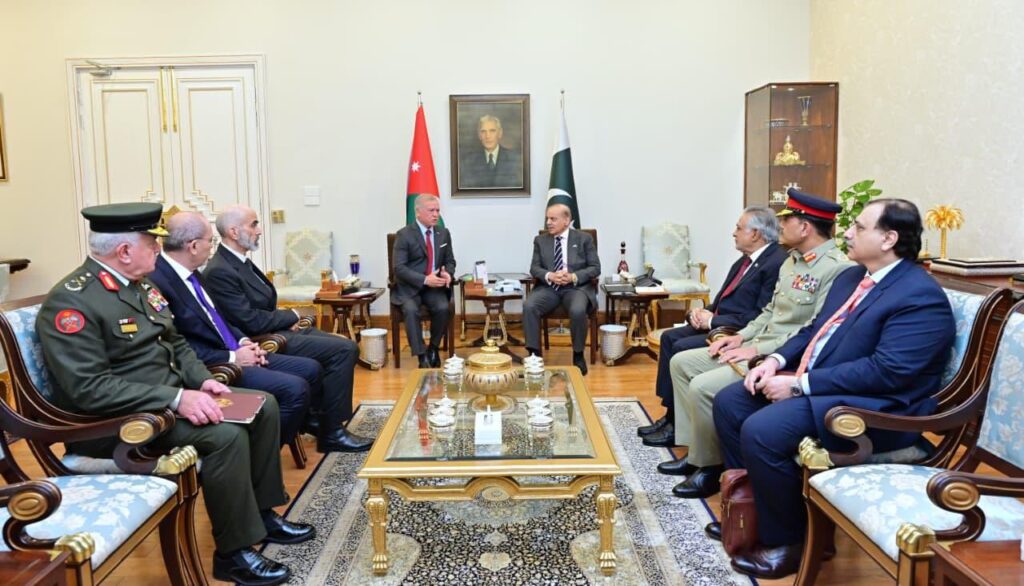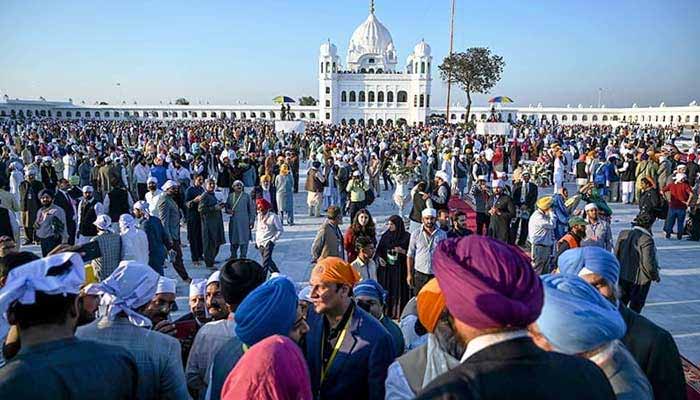
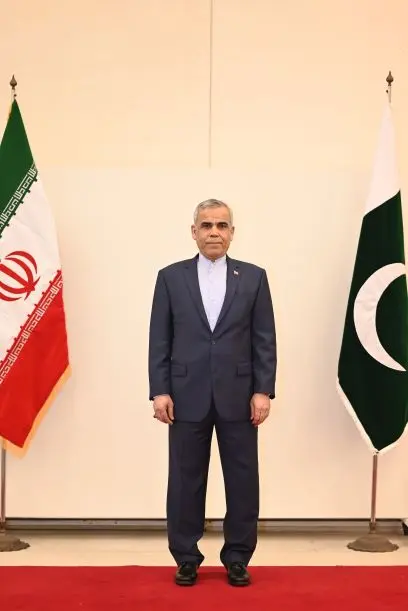
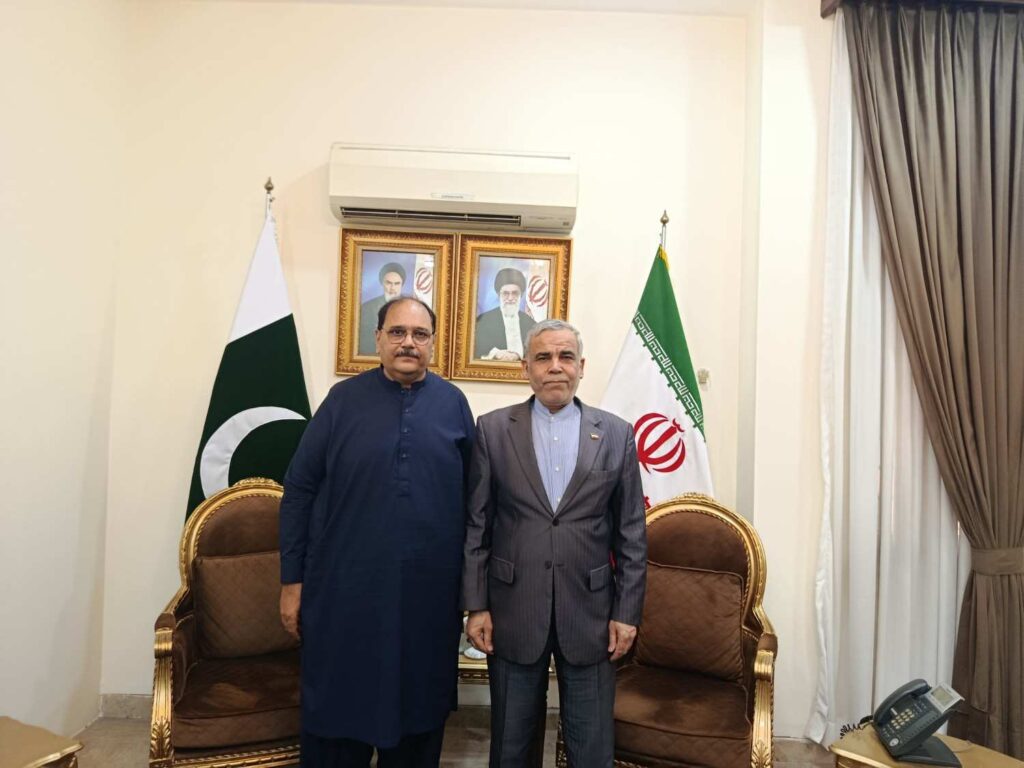
Iran’s Consul General in Lahore, Mr. Mehran Movahed Far, has outlined an ambitious roadmap for Iran-Pakistan trade relations, pledging to hit a $10 billion annual trade target while calling Pakistan a critical security partner and civilisational ally. In this exclusive interview with DiplomaticWire, he addressed bilateral trade expansion, six newly opened trade routes, regional security, the ongoing conflict with Israel, and the centuries-old cultural bonds that unite the two nations.
Iran and Pakistan Set a $10 Billion Trade Target
The most significant announcement from the Consul General concerns the bilateral trade target set during the Iranian President’s visit to Lahore.
“When our honourable President visited Lahore, he set a clear target: to bring Iran-Pakistan trade relations to $10 billion annually,” said Movahed Far. “Whatever needs we can fulfil from Pakistan, we will certainly do so — particularly rice and meat.”
He revealed that Iran has already restructured its import sourcing in Pakistan’s favour. Iran previously imported meat from Uruguay, New Zealand, and South America. Today, Pakistan has become Iran’s primary supplier of both meat and rice — surpassing even India and Thailand.
Both countries’ economic authorities have formally agreed on a roadmap to reach this $10 billion annual trade milestone.
Pakistan Opens Six Trade Routes for Iran: What It Means
When asked about Pakistan’s recent decision to open six trade routes to support Iran’s wartime supply needs, Consul General Movahed Far welcomed the move — but also corrected a widespread misconception about Iran’s economic vulnerabilities.
“I am very grateful to Pakistan for opening these trade routes,” he said. “However, the Strait of Hormuz meets only 20 percent of Iran’s needs. Iran is a large country with entry points from the east, west, north, and south. Our economy is not solely dependent on the Strait of Hormuz.”
He described Pakistan’s decision as “a good signal” that will strengthen commercial and diplomatic ties between the two neighbouring countries.
Pakistan-Iran Security Cooperation: “Pakistan’s Security Is Our Security”
On the sensitive question of terrorism and security grey areas between the two countries, Movahed Far was measured but clear.
“I am not privy to the detailed discussions of security officials,” he acknowledged, “but I am absolutely certain of one point: our security authorities regard Pakistan’s security as their own — and I believe Pakistan’s security authorities feel the same way.”
He expanded on the broader strategic dimension: “Iran is a security wall for its neighbours. If this wall falls, all neighbours will be affected. Thank God, we have so far held our ground — and we have had the support of the Pakistani government and people throughout.”
He also expressed gratitude to Prime Minister Shehbaz Sharif, Foreign Minister Ishaq Dar, and Field Marshal Syed Asim Munir for their ceasefire efforts, saying, “Pakistan’s efforts are commendable, even if the Americans and Israelis have not honoured the ceasefire.”
Pakistan’s Public Support “Warms Iranian Hearts”
The Consul General described the scale of Pakistani public support during Iran’s conflict as unprecedented.
“This is not the first time Pakistan has stood by us. Even at the time of the martyrdom of President Raisi, Pakistan’s people showed great solidarity. But the level of public support during this war is immense,” he said.
He noted that Pakistani citizens had visited Iranian diplomatic missions in Islamabad, Quetta, Peshawar, Lahore, and Karachi to express condolences and solidarity — and had spontaneously donated medicines to Iran without any formal government appeal.
“We are a wealthy country and did not need it,” he said. “But the love and affection with which Pakistan’s people did this strengthens the friendship between our two nations. We will never forget their love.”
He called on Pakistan’s business community to honour their “moral and commercial responsibility” toward Iran, noting that the aggressor in the current conflict — “America and Israel” — is widely known, and that a formal ethical stance from the private sector is both expected and historically appropriate.
Education and Student Exchange: 400 Iranian Students at University of Lahore
On people-to-people ties and educational exchange, Movahed Far highlighted active academic linkages between the two countries.
- Over 70 Pakistani students are currently studying in Iran across multiple disciplines, some on full scholarships.
- 400 Iranian students are enrolled at the University of Lahore in pharmacy and medical programmes.
- Three Pakistani universities host dedicated Persian language chairs.
- Chief Minister Maryam Nawaz Sharif recently announced scholarships for Persian language study in Punjab.
Movahed Far expressed hope that faculty and student exchange programmes between Pakistani and Iranian universities will continue to expand.
Media Cooperation: Iran Proposes Pakistani Press Office in Tehran
The Consul General expressed disappointment at the slow pace of media-to-media cooperation, despite both governments expressing intent to improve it.
“Unfortunately, not enough progress has been made on journalist-to-journalist ties between the two countries,” he said.
He confirmed that Iran’s official news agency IRNA and its national broadcaster both have correspondents in Islamabad, and that a formal proposal has been put to Pakistani authorities to establish an official Pakistani media office in Tehran.
“This will help bring the two peoples closer — introducing each country to the other in its own language, not through the lens of the West,” he said.
He also encouraged Pakistani journalists to visit the Khaneh Farhang (Iran Cultural House) in Lahore, where Persian language instruction is ongoing, and expressed a desire to address journalists at the Lahore Press Club, where he has already met with senior officials twice.
The Persian Language: “Eight Centuries of Shared History”
On the question of cultural diplomacy and the Persian language, Movahed Far was passionate and historically grounded.
“Persian was the official administrative language of this entire region for eight centuries,” he said. “The British took this language from our people and imposed their own. Persian is, in a sense, Pakistan’s identity.”
He noted that Chief Minister Maryam Nawaz Sharif has spoken of once knowing Persian, and that many senior Pakistani officials have shared that their parents were fluent in the language.
“Our friendship did not begin today. It is eight centuries old. We must revive and strengthen it — together,” he said.
“This Is Not a Shia-Sunni War — It Is a War Against Zionism”
Addressing sectarian narratives surrounding the current conflict, Consul General Movahed Far was categorical.
“We see no basis for framing this as a Shia-Sunni divide,” he said. “The Palestinians are Sunni. They have morally supported us. A large segment of Saudi society — also Sunni — supports Iran. This is not a conflict between Shia and Sunni. It is a conflict between Muslims and Zionists.”
He expressed regret that the territory of some neighbouring Muslim countries had been used against Iran, but added, “Despite this, we desire good relations with them and remain committed to that path.”
He also noted a point of nomenclature he considers important: “It should be remembered that the correct name is not the ‘Gulf’ or the ‘Arabian Gulf.’ Its name is the Persian Gulf — and that name must be respected.”
Key Takeaways: Iran-Pakistan Relations
| Topic | Key Point |
|---|---|
| Bilateral Trade Target | $10 billion annually |
| Main Pakistani Exports to Iran | Rice and meat (surpassing India and Thailand) |
| Trade Routes Opened | 6 new routes opened by Pakistan |
| Iranian Students in Lahore | 400 at University of Lahore (pharmacy & medicine) |
| Pakistani Students in Iran | 70+ on various programmes and scholarships |
| Persian Language Chairs in Pakistan | 3 universities |
| Media Proposal | Pakistani press office to be established in Tehran |
Frequently Asked Questions (FAQ)
What is the Iran-Pakistan trade target? Iran and Pakistan have set a bilateral trade target of $10 billion annually, as announced during the Iranian President’s visit to Lahore.
Why did Pakistan open six trade routes for Iran? Pakistan opened six new trade routes to support Iran’s supply chain needs amid its ongoing conflict. The Consul General welcomed the move as a positive diplomatic signal.
How many Iranian students are studying in Pakistan? Approximately 400 Iranian students are currently enrolled at the University of Lahore alone, primarily in pharmacy and medical programmes.
Is Iran’s economy dependent on the Strait of Hormuz? No. According to Consul General Movahed Far, the Strait of Hormuz supplies only 20 percent of Iran’s needs. Iran has trade access from the east, west, north, and south.
What is Iran’s position on the Shia-Sunni divide in the current conflict? Iran’s Consul General explicitly rejected the sectarian framing, stating the conflict is between Muslims and Zionists — not between Shia and Sunni.
This interview was conducted at the Iranian Consulate General, Lahore. DiplomaticWire has edited the conversation for length and clarity. The views expressed are those of the interviewee.
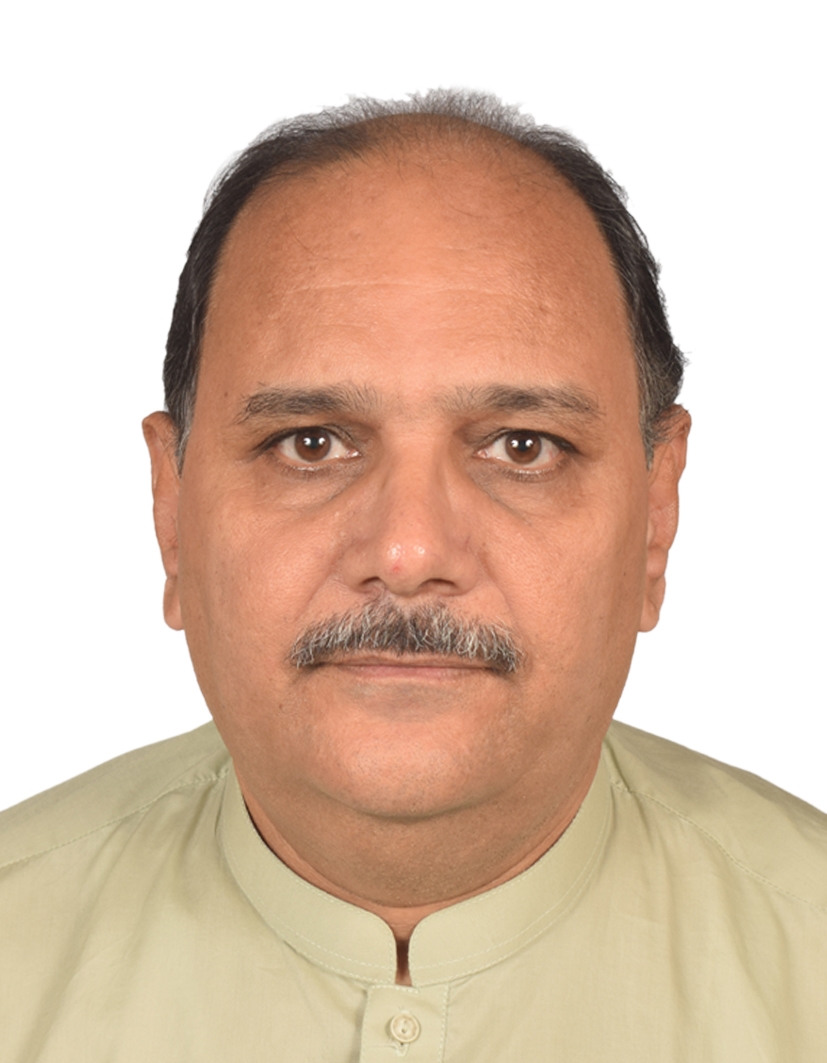
Khalid Minhas | Editor, Diplomatic Wire
A veteran journalist with three decades of comprehensive experience, Khalid Minhas has covered politics and international relations in depth throughout his career. He has also contributed to academia, teaching journalism and mass communication as a visiting faculty member at various universities in Pakistan. He holds an M.Phil in Mass Communication and is currently a Ph.D research scholar pursuing advanced studies in the field. He is also the author of the book America, Israel aur Islam, providing insightful analysis on the subject.