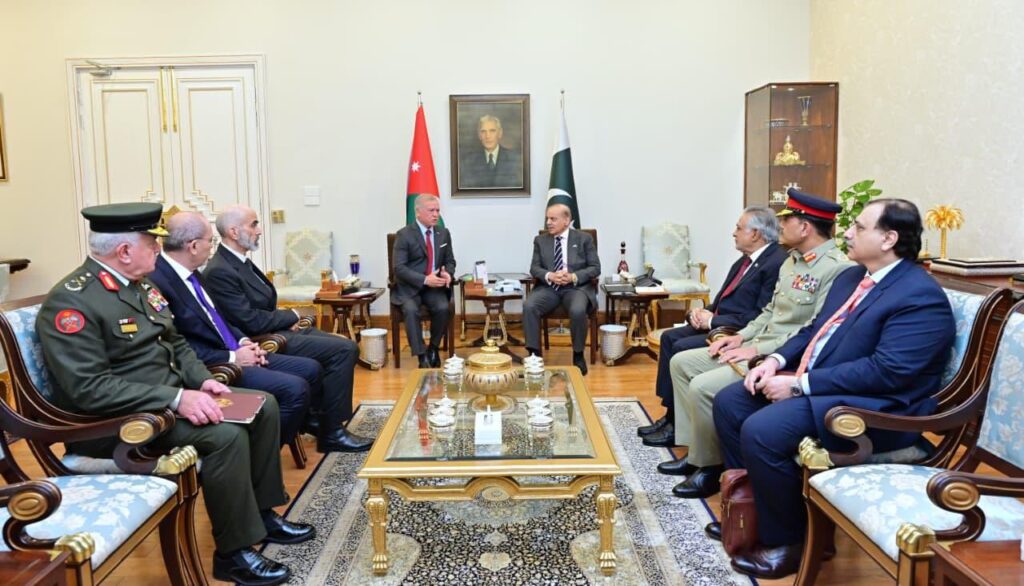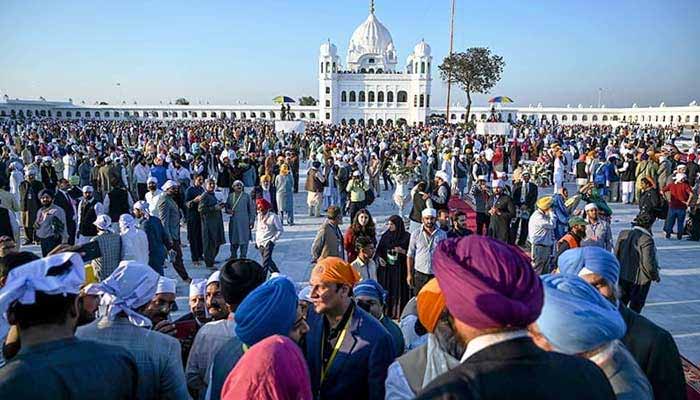
A new era of the Pakistan-China economic partnership begins here in Lahore. As industrial collaboration deepens, both nations are transitioning from infrastructure-led growth toward high-tech manufacturing and B2B joint ventures. The Lahore conference highlights major reforms and Pakistan’s emergence as a manufacturing hub for green energy and technology.
The Lahore Dialogue: More Than Just Infrastructure
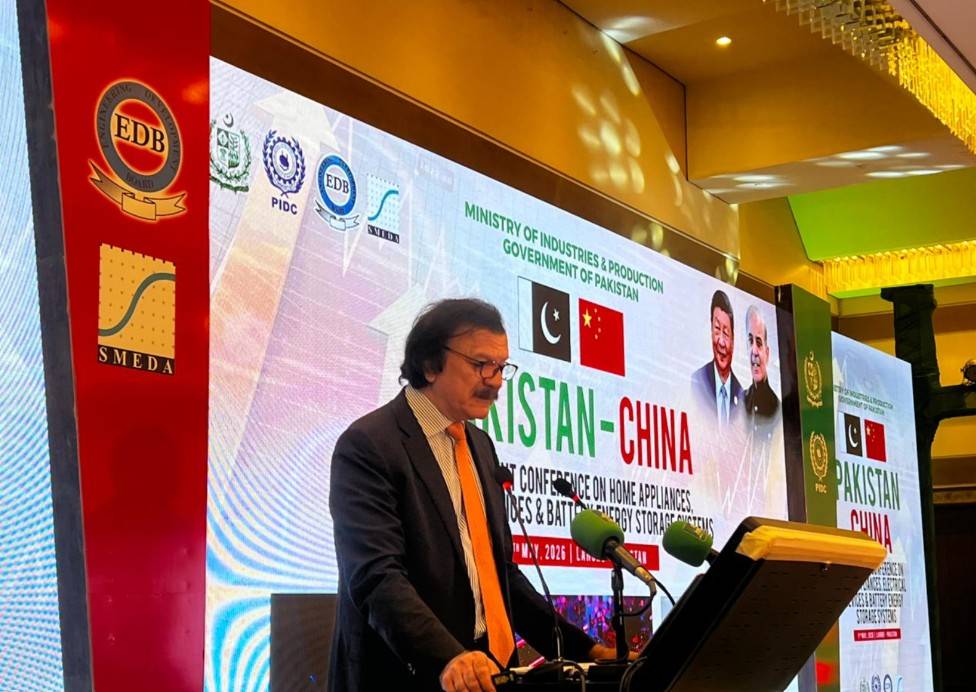
In the grand ballroom of a local Lahore hotel on Saturday, the narrative of the “all-weather friendship” between Islamabad and Beijing underwent a significant rebranding. For over a decade, the relationship was defined by massive state-led infrastructure projects. Today, if the proceedings of the Pakistan-China Business-to-Business (B2B) Conference are any indication, the focus has shifted decisively toward private-sector integration and high-tech industrial depth.
Special Assistant to the Prime Minister (SAPM) on Industries and Production, Haroon Akhtar Khan, stood before a room packed with 106 representatives from 74 Chinese companies and hundreds of Pakistani entrepreneurs. His message was clear: the Pakistan-China economic partnership has matured beyond a mere buyer-seller dynamic into a sophisticated collaborative manufacturing model.
Breaking the “Regulatory Guillotine”
A central theme of the summit was the Shehbaz Sharif administration’s aggressive push to dismantle the bureaucratic hurdles that have historically dampened foreign direct investment (FDI). Khan highlighted the “Regulatory Guillotine” initiative—a provocative name for a policy aimed at chopping away unnecessary red tape to create a minimally regulated, business-friendly environment.
“Our doors are open, our direction is clear,” Khan told the delegates. This sentiment is backed by the implementation of the National Industrial Policy and the National Tariff Policy. These frameworks are designed to reduce the “cost of doing business,” a frequent complaint from international investors navigating Pakistan’s complex fiscal landscape.
To ensure that the 136 Pakistani companies present at the event don’t just sign symbolic agreements, the government has established specialized oversight committees. These bodies are tasked with the rigorous follow-up of every Memorandum of Understanding (MoU) and Joint Venture (JV) signed, providing a layer of executive security to Chinese investors.
From Consumer Market to Manufacturing Hub
While Pakistan has long been viewed as a massive consumer market due to its population of over 240 million, the Lahore conference sought to pivot this perception. The government’s goal is to transform the country into a manufacturing and technology partner, specifically in sectors poised for exponential global growth.
The SAPM identified three “sectors of the future” where Chinese expertise and Pakistani labor could yield the highest returns:
- Home Appliances & Electrical Devices: Leveraging the domestic demand to build an export-oriented assembly line.
- Battery Storage Systems: Recognizing the global shift toward electrification.
- Lithium-ion and Sodium-ion Technologies: Positioning Pakistan as a regional hub for clean energy storage.
“Pakistan is ready to become an active partner in battery technologies,” Khan remarked, noting that the country’s strategic geographical location makes it an ideal launchpad for Chinese firms looking to bypass rising logistics costs and access Middle Eastern and African markets.
The Diplomatic Undercurrent
The conference also served as a stage to address the geopolitical stability required for such long-term economic commitments. In a rare mention of regional security dynamics during a business summit, the SAPM credited the leadership of Prime Minister Shehbaz Sharif and Chief of Army Staff General Syed Asim Munir for their roles in de-escalating regional tensions, particularly during recent Iran-US frictions.
This emphasis on “responsible statehood” is a calculated signal to the Chinese leadership that Pakistan remains a stable pillar in a volatile region—a prerequisite for the “industrial depth” Beijing seeks in its overseas partners.
Key Figures in Attendance
The scale of the event was underscored by a high-level presence from both the diplomatic and corporate sectors. Joining the SAPM were:
- Khalil Hashmi, Pakistan’s Ambassador to China.
- Saif Anjum, Secretary for Industries and Production.
- Nadia J. Seth, CEO of SMEDA (Small and Medium Enterprises Development Authority).
- Hammad Mansoor, CEO of the Engineering Development Board.
- Rizwan Bhatti, CEO of PIDC (Pakistan Industrial Development Corporation).
What Comes Next?
The true test of the Lahore conference will be the conversion rate of MoUs into operational factories. With the global economy moving toward “de-risking” and localized production, the Pakistan-China economic partnership is betting heavily on technology transfer.
As the delegates headed for B2B breakout sessions, the consensus was palpable: the “New Era” isn’t just about building roads; it’s about building the high-tech products that will travel on them.
FAQ
Q1: What was the main purpose of B2B Conference in Lahore and how it was imprtant for Pakistan-China economic partnership? The conference aimed to facilitate direct collaboration between Chinese and Pakistani private companies, shifting focus from state-level infrastructure to private-sector manufacturing, technology transfer, and joint ventures in sectors like energy and electronics.
Q2: What is the “Regulatory Guillotine” mentioned by the SAPM? It is a government reform initiative designed to rapidly identify and remove unnecessary or burdensome business regulations and “red tape” to make the Pakistani economy more attractive to foreign investors.
Q3: Which industrial sectors are being prioritized for Chinese investment? Key sectors include home appliances, electrical devices, lithium-ion battery manufacturing, sodium-ion energy storage, and the broader manufacturing and technology sectors.
Q4: How is the government ensuring that the MoUs signed will actually be implemented? Special committees have been established to provide follow-up and implementation support for every Memorandum of Understanding (MoU) and Joint Venture (JV) agreed upon during the summit.
Q5: Why is Pakistan focusing on battery technology right now? With the global move toward electric vehicles (EVs) and renewable energy, Pakistan aims to use Chinese expertise to become a regional manufacturing hub for energy storage, utilizing its young workforce and strategic location.
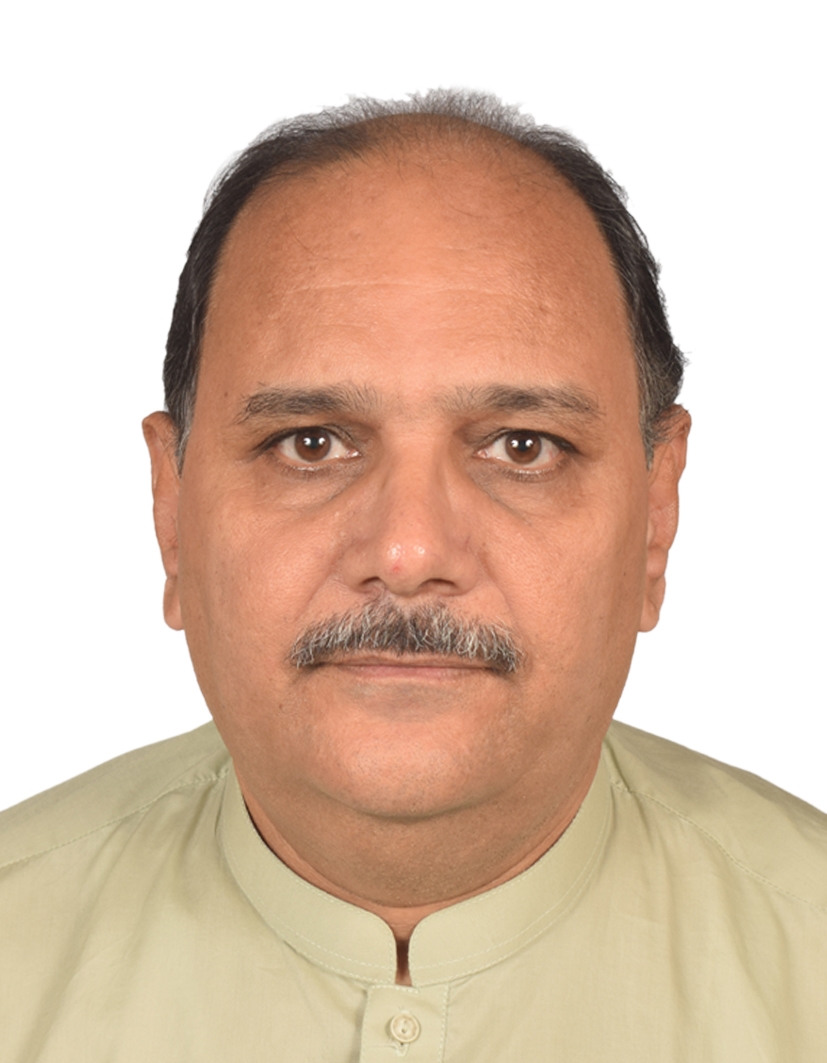
Khalid Minhas | Editor, Diplomatic Wire
A veteran journalist with three decades of comprehensive experience, Khalid Minhas has covered politics and international relations in depth throughout his career. He has also contributed to academia, teaching journalism and mass communication as a visiting faculty member at various universities in Pakistan. He holds an M.Phil in Mass Communication and is currently a Ph.D research scholar pursuing advanced studies in the field. He is also the author of the book America, Israel aur Islam, providing insightful analysis on the subject.