Islamabad, Feb 10, 2026 — The Institute of Strategic Studies Islamabad (ISSI), in collaboration with Russia’s Institute of World Economy and International Relations (IMEMO), hosted a high-level roundtable titled “European and Eurasian Security: Views from Islamabad and Moscow,” bringing together Pakistani and Russian scholars to discuss shifting security dynamics and their impact on regional and global stability.
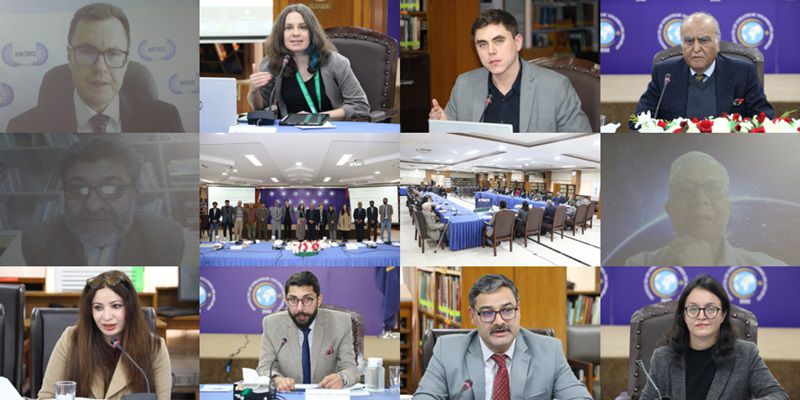
Organized by ISSI’s Centre for Strategic Perspectives (CSP), the session focused on geopolitical developments in Europe and Eurasia, NATO-Russia relations, arms control, and emerging security frameworks.
Welcoming the participants, Ambassador Khalid Mahmood, Chairman Board of Governors at ISSI, said the 2020s have witnessed major changes in global politics and security. He noted that Pakistan’s strategic location and expanding links with Eurasia make it important to maintain informed engagement on international security trends. He also reaffirmed ISSI’s commitment to strengthening cooperation with global research institutions, including IMEMO.
IMEMO Director Dr. Fedor Voitlovsky praised the long-standing partnership between ISSI and IMEMO, calling it a valuable step toward expanding academic, political, and economic cooperation between Pakistan and Russia. He highlighted opportunities for collaboration in infrastructure, energy security, technology, and innovation.
Dr. Voitlovsky said Russia considers European and Eurasian security as interconnected. He recalled that Moscow once supported an inclusive European security architecture, but NATO’s eastward expansion and a NATO-centric model weakened trust, reduced interdependence, and undermined arms control arrangements. He added that Russia is now advancing a broader Eurasian security vision within a multipolar world order based on equality, respect for national interests, and inclusive cooperation.
Dr. Maria Khorolskaya described the period from 2014 to 2022 as a turning point in Russia-West relations. She linked the post-2022 security crisis to disputes over indivisible security, NATO enlargement, rising competition in the post-Soviet region, and the erosion of arms control frameworks. She noted that European rearmament reflects uncertainty about U.S.commitments and continued reliance on American defense supplies.
Dr. Gleb Makarevich highlighted Eurasian initiatives such as the Eurasian Economic Union, its coordination with China’s Belt and Road Initiative, and the concept of the Greater Eurasian Partnership. He said these frameworks aim to blend economic integration with security cooperation and offer Pakistan opportunities to engage in regional development and institutional processes.
Mr. Taimur Khan said Eurasian security should complement, not replace, European security. He added that Pakistan’s approach emphasizes regional stability, economic growth, connectivity, and strategic autonomy, while remaining attentive to European security developments that shape global norms.
Pakistani scholars including Prof. Dr. Adam Saud, Dr. Saira Nawaz Abbasi, Prof. Tughral Yamin, and Prof. Shabbir Khan also shared views on the implications of European and Eurasian security trends for South Asia and regional connectivity.
The session concluded with an interactive question-and-answer discussion on NATO-Russia relations, arms control, Eurasian institutions, and the impact of great-power competition on international stability. The dialogue was moderated by Dr. Neelum Nigar, Director CSP at ISSI.
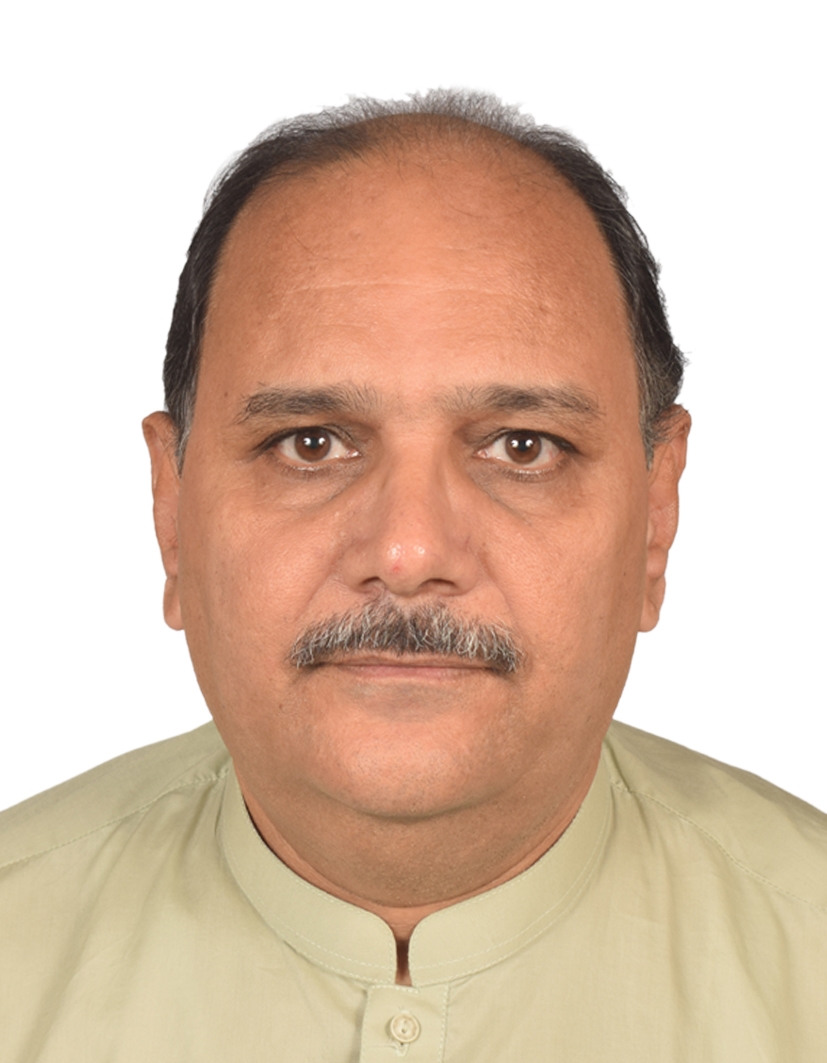
Khalid Minhas | Editor, Diplomatic Wire
A veteran journalist with three decades of comprehensive experience, Khalid Minhas has covered politics and international relations in depth throughout his career. He has also contributed to academia, teaching journalism and mass communication as a visiting faculty member at various universities in Pakistan. He holds an M.Phil in Mass Communication and is currently a Ph.D research scholar pursuing advanced studies in the field. He is also the author of the book America, Israel aur Islam, providing insightful analysis on the subject.