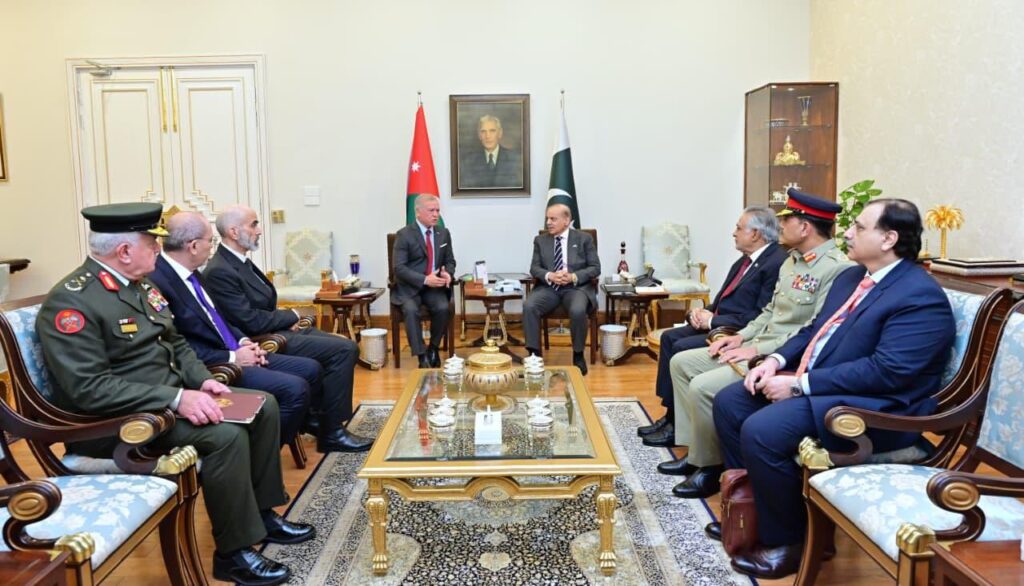
ISLAMABAD — Prime Minister Shehbaz Sharif has formally directed the Pakistan National Cricket Team to participate in its scheduled ICC Men’s T20 World Cup fixture against India on February 15, 2026.
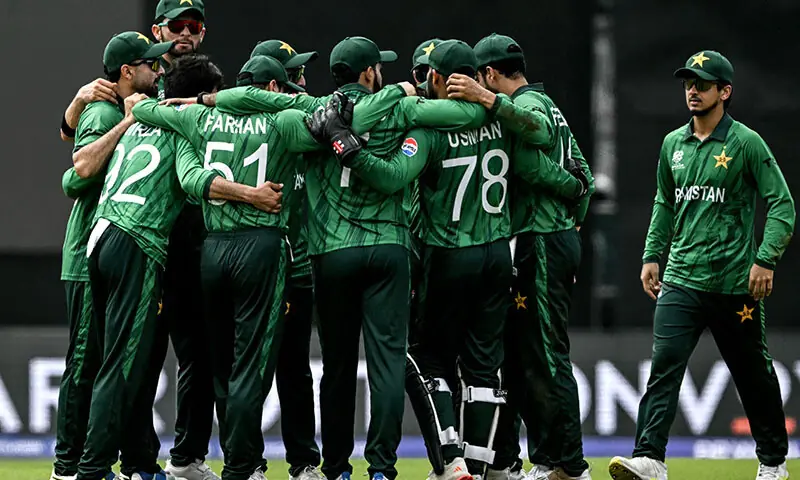
This directive effectively terminates a high-stakes diplomatic standoff that threatened the commercial and administrative stability of the global tournament.
The decision follows a decisive briefing by Pakistan Cricket Board (PCB) Chairman Mohsin Naqvi regarding successful tripartite negotiations between the PCB, the International Cricket Council (ICC), and the Bangladesh Cricket Board (BCB) in Lahore.
Geopolitical Nut Graf
The resolution of the boycott reflects a sophisticated exercise of “cricket diplomacy,” where Pakistan leveraged its participation to secure concessions for Bangladesh while strengthening bilateral ties with Sri Lanka.
By conditioning its return on the absence of sanctions for Dhaka, Islamabad has reinforced its role as a regional leader in South Asian sports governance, balancing ideological solidarity with the pragmatic financial realities of the ICC’s revenue-sharing model.
Multilateral Negotiations and the “Bangladesh Compromise”
The breakthrough occurred after the ICC confirmed that no financial or administrative penalties would be imposed on the BCB following its withdrawal from the tournament over security concerns in India.
Official sources confirmed that Pakistan’s initial boycott was a strategic move to ensure Bangladesh was not isolated or penalized for its refusal to travel.
Key elements of the agreement include:
- Sanction Waiver: The ICC officially dropped all disciplinary proceedings against the BCB.
- Future Hosting: A preliminary roadmap was established for Bangladesh to host a major ICC event between 2028 and 2031.
- Regional Solidarity: BCB President Amin ul Islam expressed “profound gratitude” to Pakistan for its “exemplary sportsmanship and solidarity” during the impasse.
Presidential Intervention from Sri Lanka
The final pivot came after a high-level telephone call between Prime Minister Sharif and Sri Lankan President Anura Kumara Dissanayake. President Dissanayake emphasized the historical precedent of mutual support, noting that Pakistan continued to tour Sri Lanka during periods of heightened security risks in the past. Consequently, the Prime Minister cited the “spirit of cricket” and the request of “friendly countries” as the primary drivers for the February 15 participation in Colombo.
Strategic Outlook:- Regional Soft Power: Pakistan’s successful mediation and subsequent U-turn likely increase its leverage within the ICC Board, positioning the PCB as a pivotal power broker in South Asian cricketing affairs for the 2026-2030 cycle.
- Commercial Stability: The inclusion of the India-Pakistan fixture secures the ICC’s primary revenue stream for the 2026 T20 World Cup, preventing a potential breach of broadcast contracts and ensuring the continuity of development funds for associate nations.
- Enhanced Bilateralism: The alignment between Islamabad, Dhaka, and Colombo suggests a burgeoning “cricket bloc” that may increasingly challenge the centralization of tournament hosting rights in the region.
Khalid Minhas | Editor, Diplomatic Wire
A veteran journalist with three decades of comprehensive experience, Khalid Minhas has covered politics and international relations in depth throughout his career. He has also contributed to academia, teaching journalism and mass communication as a visiting faculty member at various universities in Pakistan. He holds an M.Phil in Mass Communication and is currently a Ph.D research scholar pursuing advanced studies in the field. He is also the author of the book America, Israel aur Islam, providing insightful analysis on the subject.