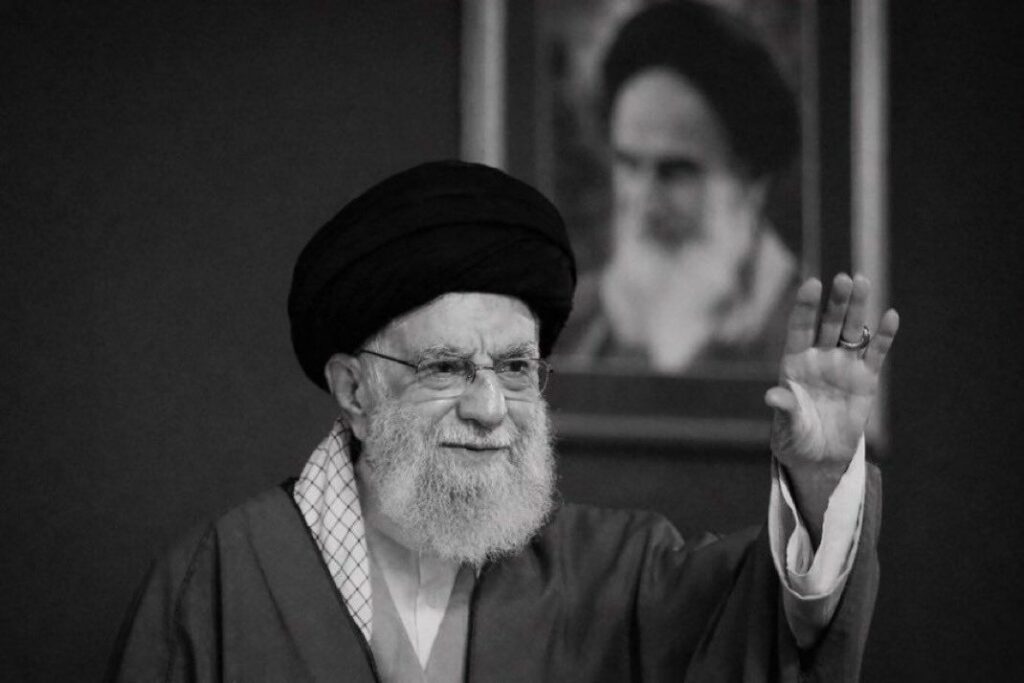
The reported death of , the Supreme Leader of the Islamic Republic of Iran, has become one of the most significant geopolitical developments in recent Middle Eastern history. His passing marks the end of an era that shaped Iran’s political ideology, regional alliances, and confrontation with global powers for more than three decades.
Political analysts believe the death of Iran’s longest-serving leader could significantly influence regional stability, Iran’s internal politics, and international relations in the coming years.
Who Was Ayatollah Ali Khamenei?
Born in Mashhad, Iran, in 1939, Ali Khamenei emerged as a prominent revolutionary figure during the , which led to the establishment of the Islamic Republic of Iran. After serving as Iran’s president from 1981 to 1989, he became Supreme Leader following the death of .
As Supreme Leader, Khamenei held ultimate authority over Iran’s military forces, judiciary, intelligence institutions, and foreign policy decisions. His leadership defined Iran’s resistance-based political doctrine and strengthened alliances across the Middle East.
Immediate Reaction Inside Iran
Following news of his death, large mourning gatherings were reported across Iranian cities. Religious scholars, political leaders, and citizens paid tribute to a figure many considered the guardian of Iran’s revolutionary identity.
Authorities are expected to organize national mourning ceremonies, while security measures remain heightened amid regional tensions.
Global and Regional Reactions
World leaders and governments have closely monitored developments after Khamenei’s death. Several countries expressed condolences, while others emphasized the importance of stability during Iran’s political transition.
Experts warn that the leadership change in Tehran could affect ongoing regional conflicts, diplomatic negotiations, and energy markets worldwide. Iran plays a central role in Middle Eastern geopolitics, making this transition particularly sensitive.
Who Will Be Iran’s Next Supreme Leader?
One of the most critical questions after Khamenei’s death concerns succession. According to Iran’s constitution, the is responsible for selecting the next Supreme Leader.
The decision will determine Iran’s future domestic policies, relations with neighboring countries, and its approach toward Western nations. Analysts suggest that the coming weeks may shape Iran’s political direction for decades.
Impact on Middle East Politics
Khamenei’s leadership influenced conflicts, alliances, and ideological movements across the Middle East. His death may lead to:
- Changes in Iran’s regional strategy
- Possible diplomatic openings or tensions
- Shifts in regional security dynamics
- Economic and oil market uncertainty
Observers believe this moment could redefine power balances across the region.
Legacy of Ali Khamenei
Supporters remember Ayatollah Ali Khamenei as a symbol of resistance and independence, while critics viewed his rule as strict and confrontational toward Western influence. Regardless of differing perspectives, his role in shaping modern Iran remains undeniable.
His death represents not only the loss of a national leader but also the closing chapter of Iran’s post-revolutionary leadership era.
Conclusion
The death of Ali Khamenei is a historic event with consequences extending far beyond Iran’s borders. As Iran enters a new phase of leadership transition, the world watches closely to understand how this moment will reshape Middle Eastern politics and global diplomacy.
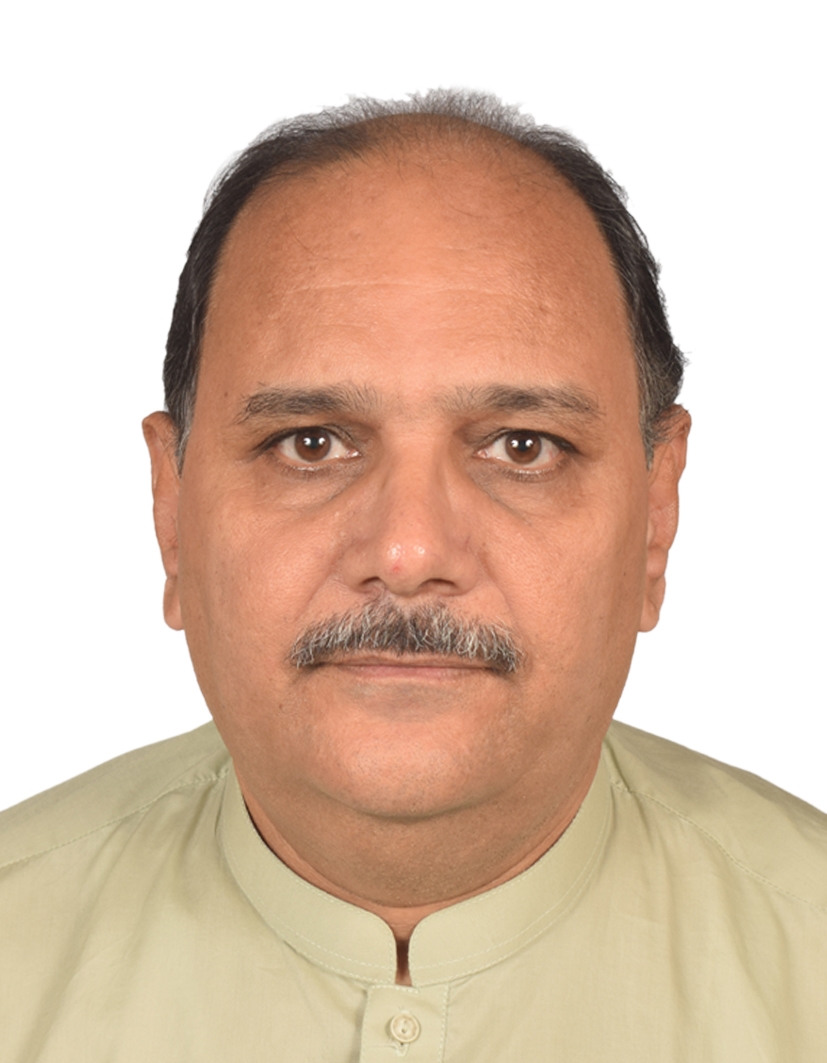
Khalid Minhas | Editor, Diplomatic Wire
A veteran journalist with three decades of comprehensive experience, Khalid Minhas has covered politics and international relations in depth throughout his career. He has also contributed to academia, teaching journalism and mass communication as a visiting faculty member at various universities in Pakistan. He holds an M.Phil in Mass Communication and is currently a Ph.D research scholar pursuing advanced studies in the field. He is also the author of the book America, Israel aur Islam, providing insightful analysis on the subject.